You have not yet added any article to your bookmarks!
Join 10k+ people to get notified about new posts, news and tips.
Do not worry we don't spam!
Post by : Laxmi Verma
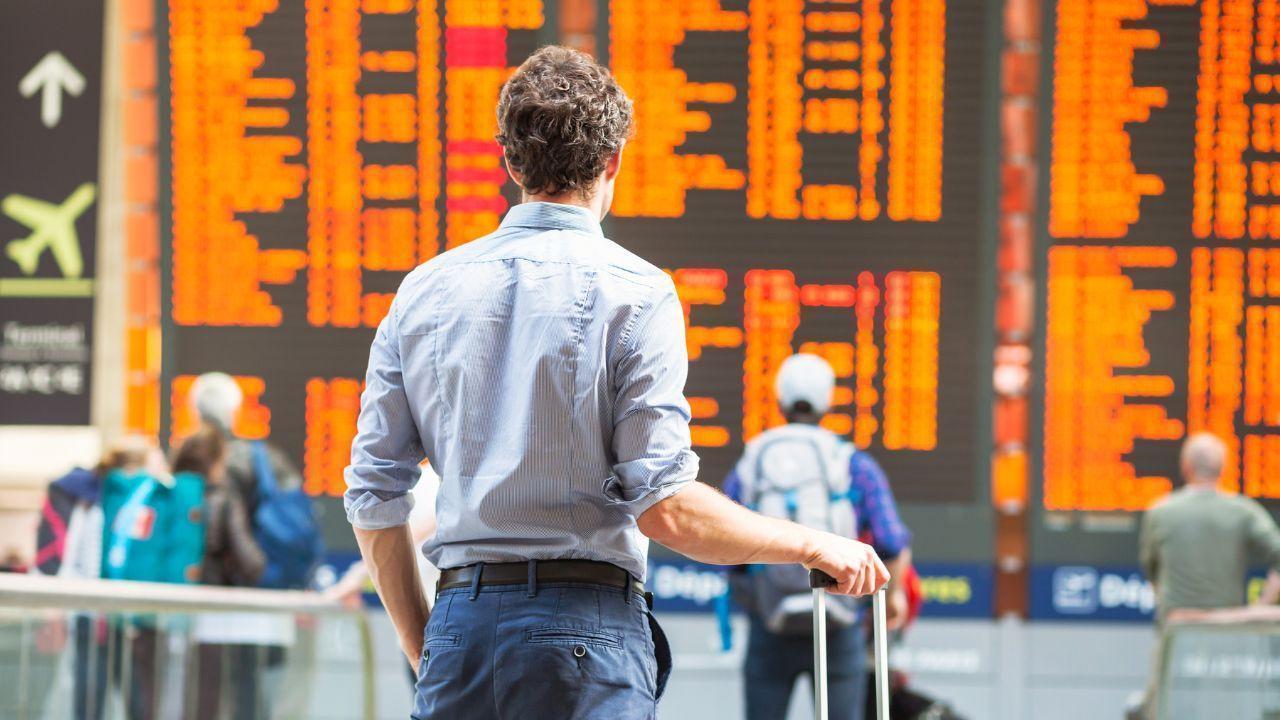
Flight delays are an unfortunate reality of air travel that can cause frustration, missed connections, and disrupted plans for millions of passengers every year. Understanding the impact of flight delays and how to handle them is essential for any traveler looking to minimize stress and navigate disruptions with confidence. Whether you’re traveling for business or leisure, knowing your rights and strategies can make a big difference in your travel experience.
Flight delays don’t just affect the immediate schedule; they can cascade into a series of inconveniences, including missed appointments, hotel bookings, or connecting flights. While some delays are unavoidable due to weather or technical issues, many can be mitigated with proper preparation and a calm approach.
The consequences of flight delays go beyond mere inconvenience. For many travelers, delays can lead to lost time, additional expenses, and emotional stress. Business travelers may miss crucial meetings, while vacationers could lose precious sightseeing hours. Families might face challenges coordinating pick-ups or accommodations.
Moreover, airlines face operational challenges due to delays, including rescheduling crews and aircraft, which can further affect other passengers. Airports often become congested, adding to the discomfort and uncertainty.
Understanding the impact of flight delays and how to handle them includes recognizing that these events affect everyone in the travel chain—from passengers to airline staff and airport authorities.
Flight delays can stem from a variety of reasons. Weather-related issues like storms or fog often top the list, as safety is paramount. Technical problems with the aircraft, air traffic control restrictions, and security concerns can also cause delays. Sometimes, late arrival of the aircraft from a previous flight leads to a domino effect, pushing back departure times.
Being aware of these causes can help travelers better anticipate and manage expectations, though many delays remain unpredictable.
Stay Informed:
Knowledge is power. Use airline apps, airport monitors, and official notifications to get real-time updates on your flight status. Early awareness allows you to plan accordingly, whether it’s rescheduling a taxi or informing contacts at your destination.
Know Your Rights:
Many countries have regulations protecting passengers affected by flight delays. For example, the European Union’s EC261 regulation offers compensation for significant delays. Understanding these rights empowers you to seek appropriate assistance or compensation when eligible.
Communicate With the Airline:
If your flight is delayed, contact the airline promptly to explore alternative flights or rebooking options. Airlines often provide meal vouchers or accommodation for long delays. Staying polite and patient can go a long way in securing better assistance.
Pack Essentials in Your Carry-On:
Since delays can lead to longer waiting times at the airport, having essentials like snacks, water, medications, chargers, and entertainment in your carry-on helps keep you comfortable.
Use Lounge Access If Available:
If you have lounge access or credit card privileges, use them. Airport lounges provide a more comfortable waiting environment with amenities like Wi-Fi, food, and quiet spaces.
Plan Layovers with Buffer Time:
When booking flights, try to schedule connecting flights with adequate layover time. This reduces the risk of missing connections due to delays.
Stay Calm and Patient:
Flight delays are frustrating but reacting with anger often worsens the situation. Remaining calm and courteous helps you think clearly and interact positively with airline staff, who are there to help.
The emotional toll of flight delays can be significant. Stress, anxiety, and frustration are common reactions, especially if the delay causes missed events or extended travel time. Financially, delays may result in additional costs like meals, accommodation, or alternative transport.
Planning ahead and knowing how to handle flight delays can mitigate these effects. Travel insurance that covers delays may also help recover costs.
Technology has transformed how travelers manage delays. Airlines and airports now offer apps with live updates, push notifications, and the ability to rebook flights on the go. Some apps even provide estimated delay times and alternative routing options.
Wearable tech and smart devices keep travelers connected and informed, reducing uncertainty and improving overall travel experience.
This article is for informational purposes only and does not constitute legal or travel advice. Flight delay policies and passenger rights vary by airline and country. Please consult official airline resources or legal experts for specific guidance. The author and publisher are not responsible for any outcomes from actions taken based on this content.









Danaher to Launch AI-Powered Autonomous Research Lab in 2027
Danaher plans an AI research lab for 2027, combining robotics and automation to speed up drug discov

Musk Welcomes German Support for Tesla Driver Assistance Tech as EU Approval Push Continues
Elon Musk welcomes Germany's backing for Tesla FSD as the company seeks EU approval amid speed, safe

Microsoft and Nvidia CEOs to Unveil AI Laptop at San Francisco Event
Microsoft and Nvidia showcase a new AI laptop with RTX Spark chips as they push powerful local AI co

Man to face charges over perfume thefts at Changi Airport
A 47-year-old man faces charges over perfume theft at Changi Airport after six items worth nearly S$

Google Signs 3.6-GW Power Deal With Constellation Energy in US
Google signs a 3.6-GW power deal with Constellation Energy, including nuclear power upgrades to supp

Harmanpreet Kaur Steps Down as India Captain Across All Formats
Harmanpreet Kaur steps down as India captain across all formats after a remarkable leadership journe