
You have not yet added any article to your bookmarks!
Join 10k+ people to get notified about new posts, news and tips.
Do not worry we don't spam!
Post by : Anis Farhan
For a long time, many of us treated sleep as something we could cut short or catch up on later. In our busy lives, sacrificing an hour or two of sleep seemed like a small price to pay for more work, more entertainment, or more social time. But science is making it crystal clear: sleep is not a luxury; it's a fundamental pillar of health, just as important as eating well and exercising. We are in the midst of a "sleep revolution," a time when a deeper understanding of sleep's power, coupled with smart new technologies, is changing how we view and prioritize our rest.
Think about it: we spend roughly one-third of our lives asleep. This isn't wasted time. During sleep, our bodies and brains are incredibly active, performing vital maintenance and repair work that simply cannot happen when we're awake. From sorting memories and learning new skills to repairing tissues and boosting our immune system, sleep is a powerhouse of restoration. When we don't get enough quality sleep, the negative effects quickly pile up, impacting our mood, focus, physical health, and even our safety.
This growing awareness, fueled by scientific breakthroughs and a boom in sleep-tracking technology, has led to a global movement. People are now actively trying to understand their sleep better and investing in ways to improve it. The "sleep revolution" is about recognizing that better rest doesn't just make you feel less tired; it fundamentally improves your overall health, performance, and quality of life.
One of the most profound impacts of sleep is on our brain health and mental function. While you're sleeping, your brain is far from idle. It's working hard to consolidate memories, process information from the day, and even clean out waste products that build up during waking hours.
Think about learning. If you try to learn something new and then pull an all-nighter, you'll likely struggle to remember it the next day. That's because sleep, especially REM sleep (the dream stage) and deep sleep (slow-wave sleep), is crucial for memory consolidation. During these stages, your brain strengthens the connections that form new memories, moving them from short-term storage to long-term memory. This means a good night's sleep directly improves your ability to learn, remember, and solve problems. It literally makes your brain smarter and more efficient.
Beyond memory and learning, sleep deeply affects our mood and emotional well-being. Lack of sleep can make you irritable, anxious, and more prone to stress. It can even worsen symptoms of depression and anxiety. When you're well-rested, your brain is better equipped to manage emotions, deal with stress, and maintain a positive outlook. Studies show that a consistent lack of sleep can significantly increase the risk of mental distress. Conversely, improving sleep often leads to a noticeable improvement in mental health, helping you feel more balanced and resilient.
Sleep is not just for your mind; it's essential for your entire physical health too. During sleep, your body goes through crucial repair and restoration processes that are vital for keeping you healthy and strong.
One key area is your immune system. When you sleep, your body produces protective proteins called cytokines. If you don't get enough sleep, your body makes fewer of these important infection-fighting substances. This means you're more likely to get sick when exposed to viruses like the common cold or flu, and it might take you longer to recover. Good sleep strengthens your body's natural defenses, helping you fight off illness.
Sleep also plays a critical role in hormone regulation. It helps balance hormones that control appetite (ghrelin and leptin), which is why lack of sleep can lead to increased hunger and weight gain. It also affects insulin sensitivity, meaning poor sleep can raise your risk of developing Type 2 diabetes. Furthermore, during deep sleep, your body releases growth hormones that are essential for tissue repair, muscle growth, and overall physical recovery from daily wear and tear. Your heart also gets a much-needed rest during sleep, as heart rate and blood pressure naturally drop. Chronic sleep deprivation can increase the risk of serious health problems like high blood pressure, heart disease, and stroke. Essentially, sleep is your body's natural recovery period, allowing it to heal, grow, and prepare for the day ahead.
In our always-on world, digital devices have become a major challenge for getting good sleep. Our phones, tablets, computers, and TVs are often our constant companions, right up until we try to fall asleep. While convenient, the light these devices emit, especially blue light, can seriously interfere with our natural sleep cycle.
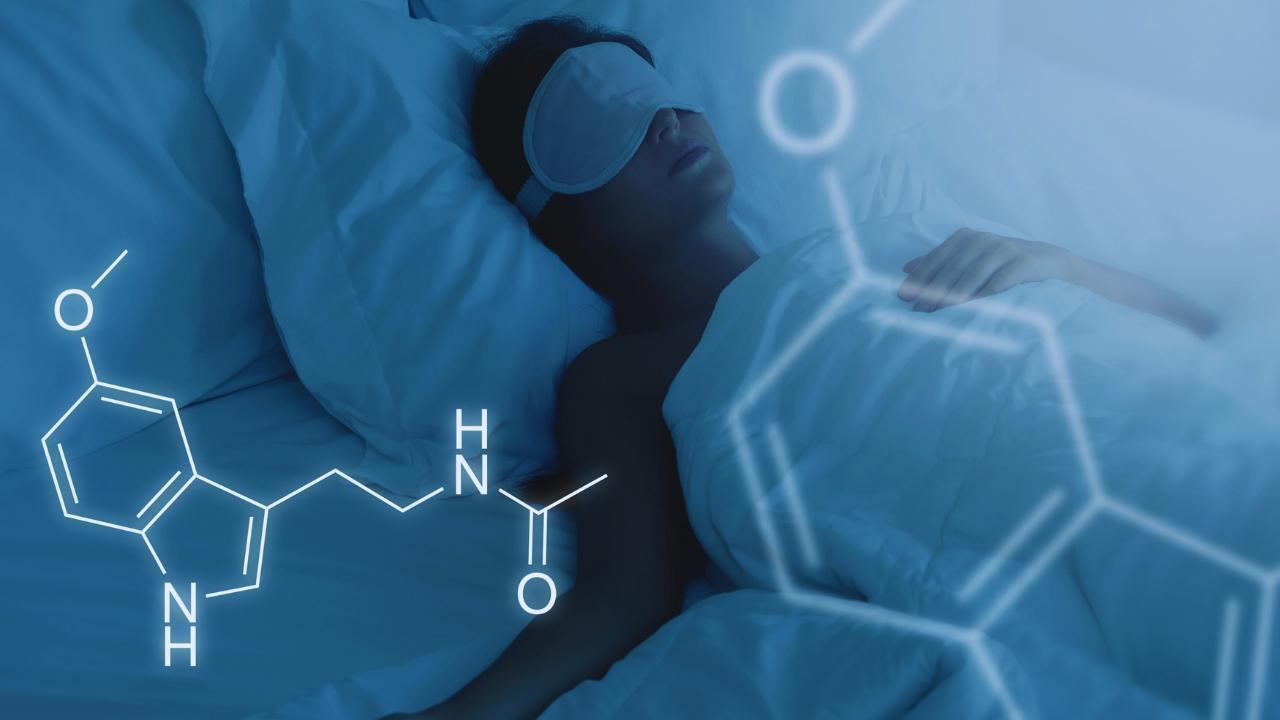
Blue light tells our brains that it's daytime. When we expose ourselves to it in the evening, it tricks our bodies into thinking it's still daytime, delaying the production of melatonin. Melatonin is a natural hormone that makes us feel sleepy and signals to our bodies that it's time to wind down for rest. When melatonin production is suppressed, it takes longer to fall asleep, and the quality of our sleep can suffer. Beyond the light, the engaging content on screens – from social media and news to exciting shows and games – can also keep our minds active and stimulated when they should be relaxing.
To combat this, sleep experts highly recommend creating a "digital detox" period before bed. This means putting away all screens at least 1-2 hours before you plan to sleep. Instead, engage in relaxing activities like reading a physical book, listening to calm music, meditating, or taking a warm bath. Many devices now have "night mode" or "blue light filter" settings, which can help reduce blue light, but completely avoiding screens is still the most effective strategy. Creating a dark, quiet, and cool bedroom environment, free from electronic distractions, is key to setting the stage for truly restorative sleep.
The sleep revolution isn't just about understanding sleep better; it's also about using technology to improve it. The market for sleep tech is booming, with innovative devices and apps designed to help us track, analyze, and optimize our rest.
Wearable devices like smartwatches and rings are popular sleep trackers. They monitor everything from your heart rate and breathing patterns to your movements throughout the night, providing detailed reports on your sleep stages (light, deep, REM) and overall sleep quality. While some experts caution against becoming too obsessed with the data ("orthosomnia"), these trackers can provide valuable insights for those looking to understand their sleep habits.
Beyond wearables, smart mattresses can adjust firmness and temperature to your body, creating a personalized sleep environment. AI-powered apps offer personalized sleep coaching, guided meditations, and soundscapes to help you relax and fall asleep. Even advances in treating sleep disorders like sleep apnea are leveraging AI, with smart CPAP machines that adjust settings in real-time and new medications. Some hotels are even integrating AI into "smart rooms" to optimize temperature, lighting, and sound for guest comfort.
As science continues to unlock the mysteries of sleep, we can expect even more refined and personalized solutions. The goal is to move towards a future where optimal sleep is not just an aspiration but an achievable reality for everyone, supported by both scientific understanding and smart innovation. By prioritizing sleep, we invest in our overall health, productivity, and happiness, laying a strong foundation for a vibrant life.
The views herein are the author's and don't reflect Newsible Asia's official stance. This content is for information only, not professional advice. Readers should research and consult experts before acting. Newsible Asia is not responsible for any losses from reliance on this article.










PM Modi Pays Tribute to Mahatma Gandhi, Urges People to Support Khadi
PM Modi pays tribute to Mahatma Gandhi on Gandhi Jayanti and urges citizens to support Khadi and the

Amazon Seeks to Offload $8 Billion in Nvidia Chips to Investors
Amazon plans to move $8 billion in Nvidia chips to investors, using a new financing model to strengt

Samsung Raises Galaxy S26 Prices as Memory Chip Costs Rise
Samsung raises Galaxy S26 prices in South Korea as rising memory chip costs put pressure on smartpho

Lewis Hamilton Calls Singapore Grand Prix One of F1's Toughest Races
Lewis Hamilton discusses the demanding Singapore Grand Prix and brings Plus44 and Almave to Singapor

Denmark's Pandora Opens World's Largest Jewellery Factory in Vietnam
Pandora opens its largest jewellery factory in Vietnam, expanding global production, strengthening s

Gautam Gambhir Questions Batting-Friendly Pitches After India's Record ODI Chase
Gautam Gambhir questions batting-friendly ODI pitches after India’s record chase, calling for a bett

