
You have not yet added any article to your bookmarks!
Join 10k+ people to get notified about new posts, news and tips.
Do not worry we don't spam!
Post by : Anis Farhan
Smart homes are no longer futuristic concepts reserved for tech enthusiasts. They have become part of everyday living, quietly integrating into households through devices that simplify routines and improve comfort. As internet connectivity has become more reliable and affordable, smart home adoption has accelerated, driven by practical benefits rather than mere curiosity.
At the heart of this shift is the desire for automation and control. People want homes that respond to their needs, adapt to their habits, and reduce manual effort. Whether it is turning off lights remotely, monitoring security cameras from a phone, or adjusting room temperature automatically, smart devices are reshaping how households function. Over time, these technologies have become easier to install, more intuitive to use, and significantly more affordable, encouraging mass adoption.
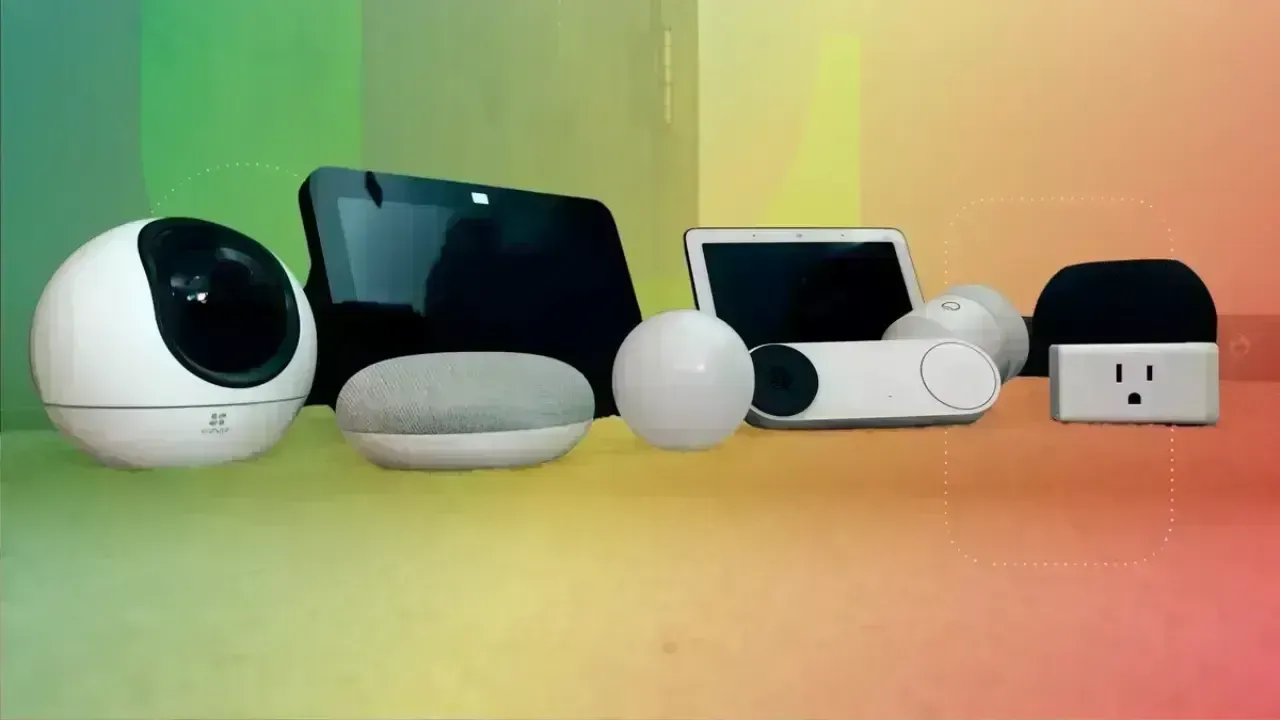
For many people, smart speakers are the first step into the smart home ecosystem. These devices act as central hubs, allowing users to control multiple connected products using simple voice commands. The appeal lies in hands-free convenience, instant access to information, and seamless integration with other smart devices.
Smart speakers are commonly used for playing music, setting reminders, managing calendars, and checking weather updates. Over time, users discover deeper functionality, such as controlling lights, locks, and televisions without lifting a finger. This ease of use has made smart speakers one of the most widely purchased smart home devices globally.
Voice interaction feels natural and reduces friction. Instead of navigating apps or switches, users can issue commands while cooking, cleaning, or relaxing. This accessibility has made smart speakers especially popular among families, elderly users, and people with mobility challenges. As voice recognition improves, these devices continue to gain trust and daily relevance.
Smart lighting is another category that sees widespread adoption. People often start with smart bulbs or smart switches because they are easy to install and deliver immediate benefits. With smart lighting, users can control brightness, color temperature, and scheduling through mobile apps or voice commands.
One of the biggest attractions is automation. Lights can turn on automatically at sunset, dim during movie time, or switch off when no one is home. These small conveniences quickly add up, making smart lighting a staple in modern households.
Beyond convenience, smart lighting supports energy savings. Automated schedules and motion detection help reduce unnecessary power usage. Additionally, adjustable lighting enhances ambiance, allowing users to create different moods for work, relaxation, or entertainment. This combination of practicality and personalization explains why smart lighting remains one of the most purchased smart home solutions.
Security is a major driver of smart home adoption, and smart cameras are among the most sought-after devices. These cameras allow homeowners to monitor their property in real time, receive alerts for motion detection, and review recorded footage remotely.
People value the sense of control that comes with being able to check in on their homes at any time. Whether monitoring deliveries, pets, or potential intrusions, smart cameras provide reassurance that traditional security systems often lack.
Smart cameras are commonly installed both indoors and outdoors. Indoor cameras are used for monitoring children, elderly family members, or pets, while outdoor cameras focus on entrances, driveways, and perimeters. The ability to receive instant notifications on a smartphone has transformed how people think about home security, making these devices a frequent purchase.
Smart doorbells have quickly become one of the most popular smart home purchases. These devices combine a camera, microphone, speaker, and motion sensor into a single unit mounted at the front door. When someone approaches or rings the bell, homeowners receive instant alerts and can communicate remotely.
This functionality is particularly useful in an era of frequent package deliveries. Users can verify who is at the door, give instructions to delivery personnel, or deter suspicious activity even when they are away from home.
The popularity of smart doorbells stems from their dual role. They enhance security while also adding everyday convenience. Being able to see and speak to visitors from anywhere has changed expectations around home access, making smart doorbells a common addition to smart households.
Smart thermostats are widely purchased by homeowners looking to improve comfort while reducing energy bills. These devices learn user preferences, adapt to schedules, and automatically adjust heating or cooling to optimize efficiency.
Unlike traditional thermostats, smart versions can be controlled remotely, allowing users to adjust settings before arriving home. This capability appeals to busy households and frequent travelers who want comfort without wasting energy.
Many buyers are drawn to smart thermostats for their long-term savings. By optimizing energy usage, these devices can significantly lower utility costs over time. Additionally, growing awareness around sustainability has made energy-efficient solutions more attractive, further driving adoption.
Smart plugs and switches are among the most affordable and versatile smart home products. They allow users to control non-smart appliances through apps or voice commands, instantly expanding the reach of home automation.
People commonly use smart plugs for lamps, coffee makers, fans, and chargers. With scheduling features, these devices can automate routines, such as turning on lights in the morning or switching off electronics at night.
The simplicity of smart plugs makes them popular among renters and first-time smart home users. They require no permanent installation and can be moved between rooms as needed. This flexibility, combined with low cost, makes smart plugs one of the most frequently purchased smart devices.
Smart TVs have become standard in many households, offering built-in internet connectivity and access to streaming platforms. Consumers increasingly expect televisions to integrate seamlessly with other smart devices, such as speakers and lighting systems.
Beyond TVs, smart streaming devices and sound systems are also popular. These products enhance entertainment experiences by allowing centralized control, personalized recommendations, and voice-activated playback.
Entertainment is a daily activity, and smart devices enhance it without requiring major lifestyle changes. The familiarity of watching television makes smart entertainment products an easy sell, contributing to their widespread presence in smart homes.
Smart locks are becoming increasingly common, particularly in urban households. These devices allow users to lock or unlock doors remotely, grant temporary access to guests, and monitor entry activity.
The appeal lies in convenience and security. Users no longer need to worry about lost keys or leaving doors unlocked. Access can be managed digitally, offering greater control over who enters the home.
As encryption and authentication technologies improve, consumers are becoming more comfortable with smart locks. This growing trust has led to increased adoption, especially among homeowners who value both convenience and safety.
Sensors may not be as visible as cameras or speakers, but they play a crucial role in smart homes. Motion sensors, door and window sensors, and environmental sensors help automate responses and enhance security.
These devices trigger actions such as turning on lights, sending alerts, or adjusting climate settings. Their ability to work quietly in the background makes them an essential component of many smart home setups.
By detecting changes in the environment, sensors enable homes to respond intelligently. This level of automation improves efficiency and safety, making sensors a common purchase for users expanding their smart home systems.
Smart appliances, including refrigerators, washing machines, and robotic cleaners, are gaining popularity as technology advances. These products offer features such as remote monitoring, maintenance alerts, and optimized performance.
While they are often more expensive than other smart devices, consumers are increasingly willing to invest due to long-term convenience and efficiency benefits.
What was once considered luxury is now becoming practical. As prices gradually decrease and features improve, smart appliances are finding their way into more households, contributing to the growing smart home market.
Across categories, convenience remains the strongest driver of smart home purchases. Devices that save time, reduce effort, and simplify routines naturally attract consumers.
As technology matures, costs decrease. Many popular smart devices are now affordable entry-level products, encouraging experimentation and gradual ecosystem expansion.
People tend to buy devices that work well together. Once a household adopts one smart product, it becomes easier to add more, leading to incremental growth in smart home adoption.
Smart home purchasing trends suggest continued growth in integrated systems rather than isolated devices. Consumers increasingly look for products that communicate seamlessly, adapt intelligently, and provide meaningful value beyond novelty.
As awareness increases and technology improves, smart homes will continue to evolve from collections of gadgets into cohesive living environments. The devices most people buy today are laying the foundation for that future.
Disclaimer:
This article is for informational purposes only. Product availability, features, and user experiences may vary depending on region, manufacturer, and individual usage patterns.








Google Signs 3.6-GW Power Deal With Constellation Energy in US
Google signs a 3.6-GW power deal with Constellation Energy, including nuclear power upgrades to supp

Harmanpreet Kaur Steps Down as India Captain Across All Formats
Harmanpreet Kaur steps down as India captain across all formats after a remarkable leadership journe

Michael Bracewell Chooses Casual Contract, Targets BBL Opportunity
Michael Bracewell moves to a casual contract as he eyes a BBL opportunity while remaining available

Tuchel Says Alex Scott Can Challenge Declan Rice for England Midfield Spot
Thomas Tuchel says Alex Scott can challenge Declan Rice for an England midfield place after his impr

Air Quality Turns Unhealthy in Central and Western Singapore Amid Haze
Singapore haze pushes PSI above 100 in central and western areas as smoke from regional hotspots rai

PM Modi Pays Tribute to Mahatma Gandhi, Urges People to Support Khadi
PM Modi pays tribute to Mahatma Gandhi on Gandhi Jayanti and urges citizens to support Khadi and the

