You have not yet added any article to your bookmarks!
Join 10k+ people to get notified about new posts, news and tips.
Do not worry we don't spam!
Post by : Anis Farhan
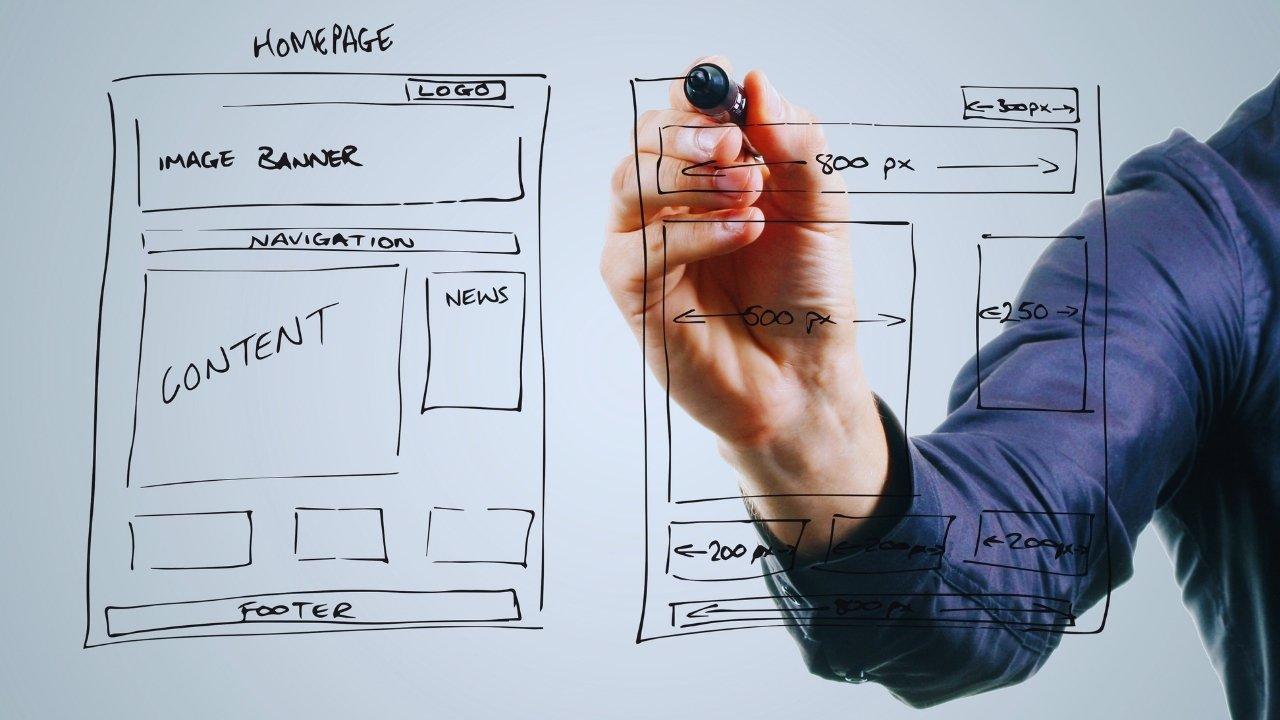
Website design in 2025 is no longer just about attractive layouts or mobile responsiveness—it’s about delivering seamless, human-centered digital journeys. With businesses competing to capture shrinking attention spans, the focus has shifted toward personalization, speed, inclusivity, and immersive experiences. Advancements in AI, AR, and voice technologies are setting the tone for how websites will look and function this year. Let’s explore the top 10 UX and UI solutions that are redefining website design in 2025.
Personalization has been around for years, but in 2025, it has reached a new dimension. AI-driven algorithms can now analyze browsing history, shopping habits, and even micro-interactions in real time. Websites are offering adaptive layouts, predictive suggestions, and content that aligns perfectly with user preferences. Instead of static “recommended for you” lists, visitors experience an interface that feels uniquely built for them.
Artificial intelligence has become a silent co-designer. Many websites now leverage AI tools to automatically adjust visual layouts, recommend optimal typography, and create adaptive color palettes. This technology ensures both speed and accuracy while reducing design costs. For end-users, it results in interfaces that evolve as their needs shift.
From real estate tours to e-commerce product previews, augmented reality (AR) and virtual reality (VR) are no longer experimental—they’re essential. Brands are incorporating immersive experiences directly into their websites without requiring external apps. Imagine trying on clothes virtually or viewing furniture in your home with a simple click.
As voice search adoption grows, websites are embracing voice navigation. Instead of scrolling endlessly, users can ask, “Show me the latest offers,” and the site responds instantly. This trend, particularly popular in e-commerce and hospitality, is making web experiences faster, more inclusive, and hands-free.
Minimalism continues to dominate but with a twist—functionality is prioritized alongside simplicity. White spaces, clean typography, and subtle animations create clarity, while micro-interactions ensure users stay engaged. The mantra for 2025: less clutter, more purpose.
Accessibility has become non-negotiable. In 2025, leading websites are integrating tools like text-to-speech, color contrast adjusters, and adaptive navigation modes for differently-abled users. Accessibility is no longer just a compliance checkbox but a driver of inclusivity and brand trust.
Micro-animations—those subtle, interactive design elements—are now central to user engagement. From hover effects to loading animations, motion UI helps communicate actions, guide navigation, and create an emotional connection with users. It’s no longer about “flashy effects” but purposeful storytelling through motion.
With sustainability becoming a priority, websites are optimizing for energy efficiency. Lightweight coding, reduced image sizes, and green hosting options are trending in 2025. Brands are realizing that an eco-friendly digital footprint is as important as their environmental promises offline.
Heatmaps, behavioral analytics, and predictive modeling are fueling design choices. Instead of guessing what users want, websites are adjusting dynamically based on user patterns. Data-driven design ensures interfaces that are not only beautiful but also deeply effective.
With users switching between mobiles, tablets, and wearables, websites in 2025 are focusing on fluid continuity. Whether someone starts browsing on a smartwatch and continues on a laptop, the transition feels seamless. Multi-device adaptability is no longer optional—it’s a design standard.
Website design in 2025 is defined by balance—technology meets human-centric thinking. AI, AR, and personalization are giving websites intelligence, while accessibility, sustainability, and minimalism are grounding them in purpose. The businesses that succeed will be those that see their websites not just as digital brochures but as living, evolving ecosystems designed around real people.
The insights shared in this article are based on observed design trends, industry research, and ongoing technological advancements as of 2025. They are intended for informational purposes and may evolve as technology progresses.





Danaher to Launch AI-Powered Autonomous Research Lab in 2027
Danaher plans an AI research lab for 2027, combining robotics and automation to speed up drug discov

Musk Welcomes German Support for Tesla Driver Assistance Tech as EU Approval Push Continues
Elon Musk welcomes Germany's backing for Tesla FSD as the company seeks EU approval amid speed, safe

Microsoft and Nvidia CEOs to Unveil AI Laptop at San Francisco Event
Microsoft and Nvidia showcase a new AI laptop with RTX Spark chips as they push powerful local AI co

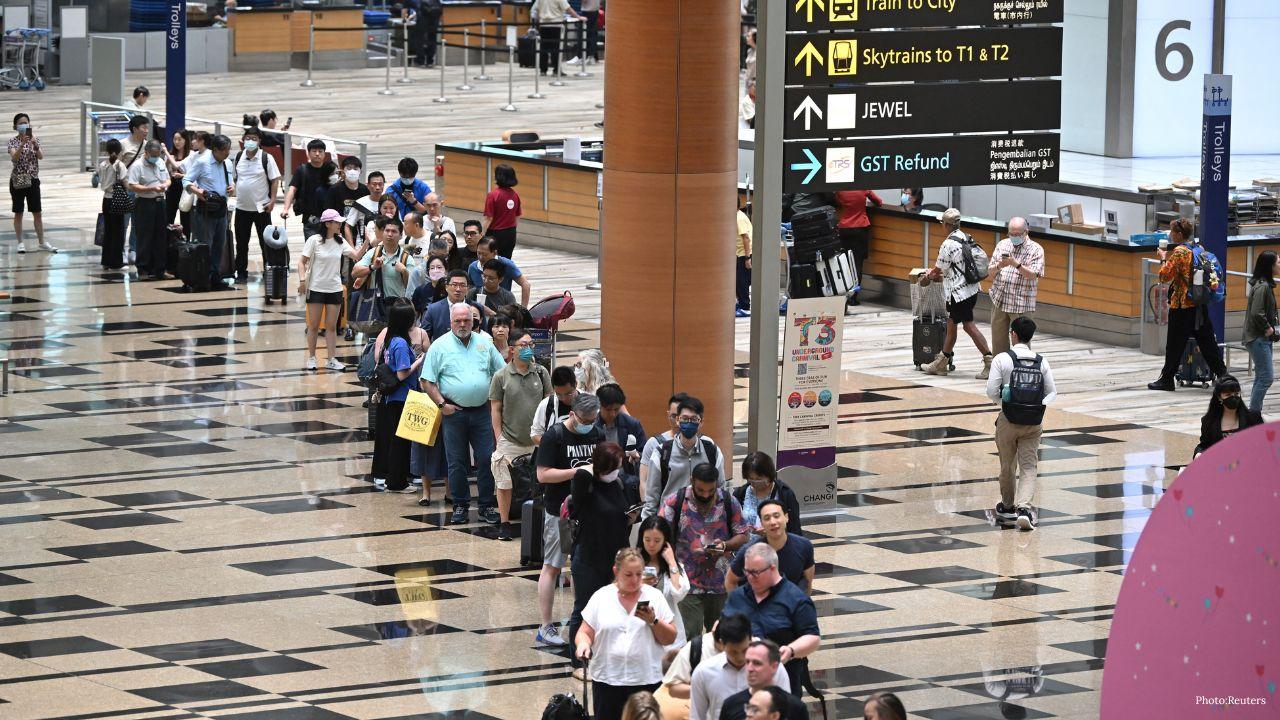
Man to face charges over perfume thefts at Changi Airport
A 47-year-old man faces charges over perfume theft at Changi Airport after six items worth nearly S$

Google Signs 3.6-GW Power Deal With Constellation Energy in US
Google signs a 3.6-GW power deal with Constellation Energy, including nuclear power upgrades to supp

Harmanpreet Kaur Steps Down as India Captain Across All Formats
Harmanpreet Kaur steps down as India captain across all formats after a remarkable leadership journe