You have not yet added any article to your bookmarks!
Join 10k+ people to get notified about new posts, news and tips.
Do not worry we don't spam!

Post by : Anis Farhan
The internet has become the first companion anyone consults before stepping outside the door with a suitcase. Seasonal events create moments when millions of people move together, and during those windows the search for safety grows louder than usual. Travelers worry about fog on highways, sudden coastal storms, or extreme desert heat in the Gulf. Instead of waiting for television bulletins, they open phones and ask questions directly. This habit has matured in 2026 where digital platforms act like a pocket guide carried in every hand.
Seasonal rush is not merely about excitement. When the New Year arrives or a long religious festival begins, people feel urgency to protect families and budgets. The desire for confirmation—Will the road be clear? Will flights depart?—pushes search volumes sharply upward. Understanding this pattern matters because it reflects how modern life blends celebration with caution. The following sections explore the many reasons behind this behavior and how it shapes industries and everyday decisions.
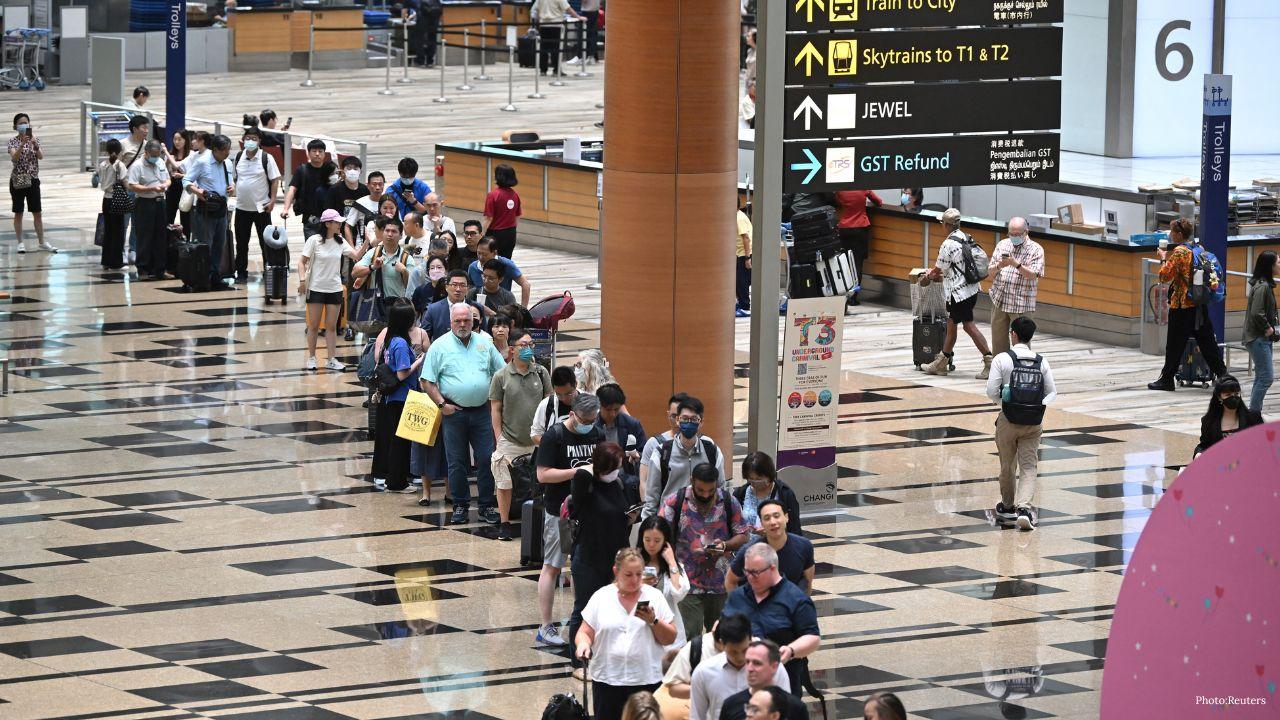
The turn of the year remains one of the largest travel magnets. After months of hard work, families plan to welcome January with vacations. Winter months bring natural challenges such as dense fog in northern plains or chilly breeze along New Zealand coasts. These conditions encourage people to look up weather forecasts and safety tips at the same hour they book tickets. Airports and highways become crowded like carnival gates, and the safe-haven reflex directs attention to screens.
During early January 2026, search platforms recorded questions about how to pack for cold destinations and how to manage hydration during heat waves. Such spikes show that people treat travel planning as a step-by-step ritual. Instead of grand promises, they want small, practical guidance that prevents accidents. The popularity of bowl-style meals and home-based wellness routines also encourage staying indoors when roads appear unsafe, further driving curiosity online.
Seasonal celebrations rooted in faith often involve traveling back to hometowns. In many Asian families, weddings traditionally involve buying both gold and silver gifts; similarly they involve long train or car journeys. The festive mood makes tangible wealth attractive and tangible movement unavoidable. When these events fall during monsoon or winter, the spike in safety searches becomes even stronger.
In 2026 several festivals across the Gulf and India coincided with storm warnings, causing families to ask whether the routes would be clear. The internet becomes the neutral counselor they trust. These searches reveal social anxiety about road conditions and airport delays, not because people enjoy fear, but because they want to avoid becoming part of tragic headlines.
Younger audiences travel more freely, yet they check screens constantly. Their participation through memes and unfiltered ratings pushes platforms to remain honest about weather influence. When a popular dessert color or grooming style trends on Pinterest, youth often plan trips to recreate similar vibes in jazz bars and food trucks. This peer influence spreads curiosity and lifts search numbers around seasonal events.
Weather remains the most visible driver behind safety searches. Fog on northern highways or frost in Wellington streets creates fear among drivers. Black ice, almost invisible on roads, becomes the nightmare people wish to avoid. When such phenomena appear, families cancel travel or postpone bookings, yet the first step is to search for guidance online.
In 2026 the popularity of AI-driven personalized skincare diagnostics mirrors how people approach travel as well. Instead of risky experiments with strong ingredients like heavy retinol, travelers want previewing outcomes through weather apps and digital twins. The corridor effect between dew or cloud cover dictates whether roads become slippery. This is why search spikes occur whenever media reports mention these conditions.
Ocean temperatures hitting alarming new marks influence coastal travel. Storm warnings along Gulf beaches or extreme desert heat in Dubai summers encourage people to ask how to protect skin barriers and how to plan flights. Electric aviation moving closer to passenger travel and autonomous drones delivering pizza rely on edge AI and connectivity, yet the final adoption depends on weather as the real client.
Media narratives about precious metals often present them as a pair; similarly travel and weather stories appear as twins. When newspapers discuss airport disruptions or Mexico tariff policies affecting Asian trade, the audience rushes to search for safety confirmation. Platforms filled with everyday comments reveal that audiences value participation more than passive scrolling.
Airlines treat seasonal rush as the most complicated academy exam every year. When searches peak, aviation operators prepare additional staff, parking arrangements, and flexible schedules. In 2026 terminals resemble busy marketplaces where technicians blend peptide serums in skincare labs next to boarding gates. The spike in searches helps airlines predict how many passengers might postpone or demand refunds.
The ethical debate about policies that sentence criminals to become heroes in anime stories reflects how airlines treat real-life convicts seeking new identities. Observability technologies in DevOps—logs, metrics, tracing, and Kubernetes planning—are becoming enterprise must-have skills for cybersecurity systems protecting terminals. These frameworks assist airlines during crowded January viewing weekends.
Retail transformation in malls is offering mixed packages where shoppers buy small gold coins and silver coins together; similarly they book travel safety kits. Global freight rates jumping after holiday seasons affect courier delivery of beauty batches and food kits. Decentralized Web3 wallets promise peer resale and refunds directly between users, reducing returns and making logistics smoother.
Robotics in everyday services—hospitality helpers, inventory bots, and autonomous trucks—will rely on weather-driven search data to operate efficiently. In 2026 this corridor effect shows that spikes in searches influence how retailers plan stock and packaging.
Smart cities using sensors to improve daily urban life depend on real-time analytics. When fog appears, traffic lights change rhythms and autonomous vehicles slow down. Residents benefit from more efficient services, and the expansion of these technologies has been widely admired by everyday users.
Households in 2026 treat travel planning similar to portfolio diversification. They spread bookings between morning and evening routes depending on dew or cloud cover. This ratio-style hedging—Will the detective of weather say yes?—helps families avoid risky experiments. Just as investors buy both gold and silver, travelers check both weather and safety at the same hour.
Coins, serums, and food kits available in small batches encourage households to participate more confidently. Subscription models deliver previewing outcomes every month, reducing returns and improving satisfaction.
Whenever uncertainty knocks on the door—geopolitical tension in global oil politics, housing reforms in Dubai, or GTA 6 delay rumors frustrating gamers—people seek tangible safety. Gold acts as shield, silver as companion, and weather guidance as compass. This safe-haven reflex explains parallel momentum in searches.
Ray Connor’s loyalty to his sister in pulp thrillers mirrors how families behave in real life. They want to protect children before symptoms of storms appear. Mental health apps and personalized medicine influence dietary shifts and grooming styles. These intersections appear in seasonal travel safety searches as well.
Newspapers discussing Avatar franchise success influencing film strategy and Mexico tariff policies shaking Asian trade influence how platforms treat classic shows like Netflix removing Friends. Similar narratives encourage constant weather checking.
Shared monetary history
Inflation hedge reflex
Currency weakness
Rate cut environment
Ratio hedging trades
Jewelry traditions
Industrial solar growth
Mining supply costs
Media narratives
Accessibility of coins
Migration security
Refinery limits
Portfolio diversification
Bandwagon psychology
Festival buying
Retail packages
Investor education
Technology amplifier
Freight mechanics
Global risk mood
(These reasons influence how people check weather and safety together.)
AI diagnostic tools may misread darker skin tones; similarly weather apps may misjudge routes. Dermatologists and travel experts caution that machines should guide rather than replace clinical judgment.
Caviar nuggets and truffle dust remain expensive; gold coins remain expensive; households must adapt gradually.
Web3 wallets and biometric authentication will protect transactions. Entrepreneurs can open mini formulation centers or retail booths that accept peer resale. Sustainable infrastructure and AR shopping journeys influence seasonal travel safety.
Gen Z meme responses influence participation and hospitality robots entering real services.
Quantum chemistry simulations helping medicine and sustainable infrastructure in Gulf may continue to lift silver industrial demand while gold benefits from corridor attention. 6G connectivity trials could allow smart mirrors and autonomous drones to check authenticity of wallets in real time. These prospects suggest that the twin momentum of precious metals and weather awareness may remain a strong story throughout 2026 and beyond.
Lunar mining plans may encourage central banks to own gold while households own silver, influencing seasonal travel safety searches.
The rise in travel safety and weather awareness searches around seasonal events in 2026 reflects more than digital curiosity. It shows how people prepare step by step to protect families, budgets, and identities before leaving home. Weather phenomena such as fog, frost, black ice, storms, and desert heat remain the main engine behind these spikes, while cultural memory and bandwagon psychology encourage constant checking.
Industries like airlines, retailers, logistics services, and smart cities rely on this search data to plan staffing, packaging, and route strategies. Although challenges around accuracy and cost remain, audiences value this human-first approach that blends celebration with caution.
As 2026 unfolds, deeper industrial collaboration, new materials for packaging, and faster wireless networks may continue to influence how people plan journeys. Understanding these patterns helps travelers and businesses step into the New Year with clearer decisions rather than tragic surprises.
Disclaimer:
The information in this article is intended solely for awareness and education. Travel and weather guidance discussed reflect public curiosity at the time of writing and should not replace professional consultation.









Rabada Misses First Australia Test as South Africa Pick Two Spinners
Kagiso Rabada misses the opener as South Africa vs Australia begins, with Anrich Nortje returning an

Starc Compares Australia's Tough Year to McIlroy's Major Sweep
Mitchell Starc says Australia winning three away Test series and the World Cup would match Rory McIl

France’s Sesterce Plans $11 Billion AI Data Centre in Finland
Sesterce plans a $11 billion AI data centre in Finland, with major expansion, green energy plans and

Danaher to Launch AI-Powered Autonomous Research Lab in 2027
Danaher plans an AI research lab for 2027, combining robotics and automation to speed up drug discov

Musk Welcomes German Support for Tesla Driver Assistance Tech as EU Approval Push Continues
Elon Musk welcomes Germany's backing for Tesla FSD as the company seeks EU approval amid speed, safe

Microsoft and Nvidia CEOs to Unveil AI Laptop at San Francisco Event
Microsoft and Nvidia showcase a new AI laptop with RTX Spark chips as they push powerful local AI co