
You have not yet added any article to your bookmarks!
Join 10k+ people to get notified about new posts, news and tips.
Do not worry we don't spam!

Post by : Anis Farhan
The travel sector is undergoing a marked shift as technology and changing traveler expectations reshape the journey. By 2025, demand for seamless, personalized and secure experiences has pushed operators to embrace AI-driven planning, contactless services and a growing suite of intelligent devices. These advances are not merely conveniences but are changing how trips are conceived, managed and enjoyed.
A combination of public-health concerns, near-ubiquitous mobile use and pressure for efficiency has accelerated the move toward digital-first travel. The result is an ecosystem where machine learning, IoT and touchless technologies work together to deliver adaptive, traveler-centric services.
AI now forms the backbone of trip planning. Advanced models process vast datasets — from personal preferences and past behaviour to live availability and pricing — to craft bespoke itineraries. These systems recommend flights, hotels, dining options and activities that align with an individual’s profile, cutting planning time and easing decision-making.
When plans go awry, AI also steps in to limit disruption. Automated rebooking suggestions and alternative options help travellers adjust quickly to delays or capacity issues, making the planning experience more resilient and less stressful.
By 2025 contactless processes are widespread across airports, hotels and transit hubs. Mobile boarding passes, biometric gates and NFC-enabled interfaces enable touch-free navigation and check-in, enhancing both speed and hygiene.
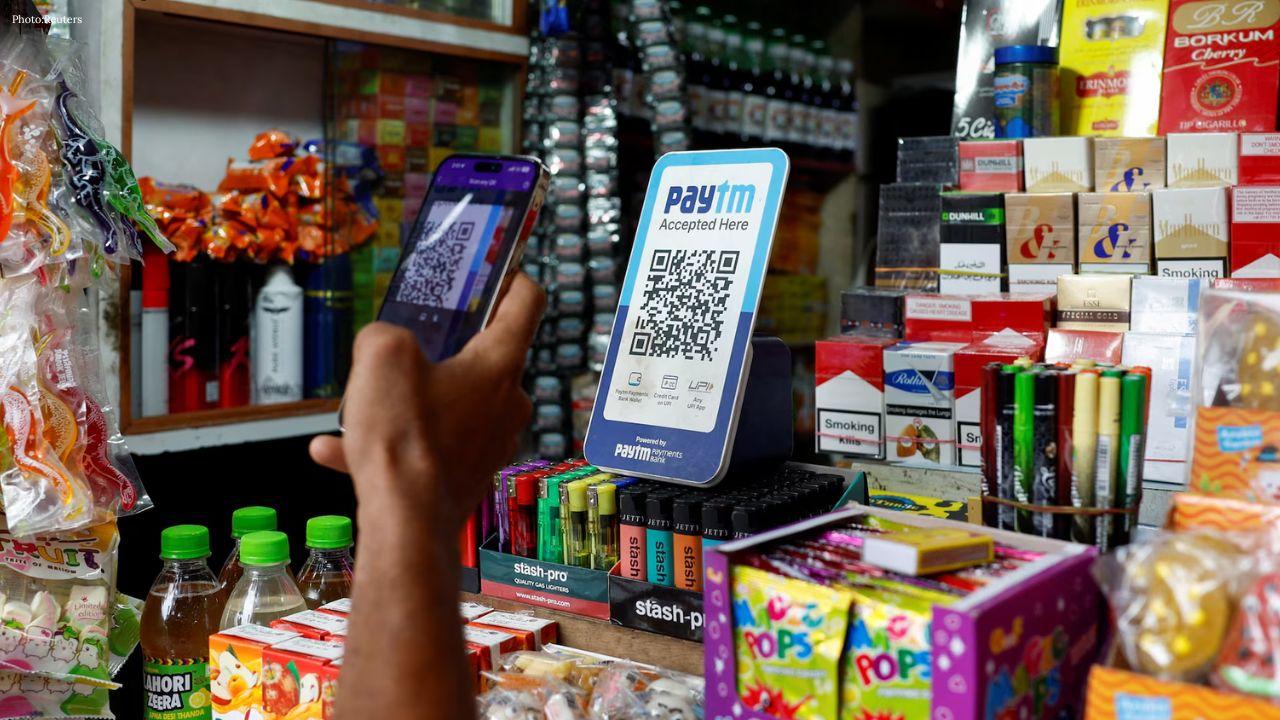
Digital identity platforms streamline verification while seeking to protect user data. Combined with contactless payments, automated boarding and baggage tracking, these systems help create a lower-friction, more secure travel flow.
Smart luggage is becoming mainstream: GPS locators, electronic locks, built-in scales and app integration give travellers clearer visibility and control over their baggage. Real-time tracking reduces the anxiety around lost or delayed items.
Beyond suitcases, wearables and mobile apps deliver timely flight alerts, queue updates and location-based recommendations. Together, these connected tools keep travellers informed and in control throughout their trip.
Customer support has been reshaped by automation. Chatbots and virtual assistants provide round-the-clock help on bookings, travel advisories and local tips, while sentiment-aware systems tailor responses with greater empathy.
Automation shortens wait times and allows human teams to focus on complex cases, improving overall service quality and traveller confidence in digital support channels.
Personalisation drives many of the new services. Algorithms analyse behaviour and context to suggest experiences that reflect a traveller’s interests, history and real-time location — from specialised tours to dining recommendations.
Hotels are using smart room controls and preference profiles to tailor stays, adjusting lighting, climate and entertainment to individual tastes for a more memorable visit.
VR and AR tools enhance both trip planning and on-the-ground experiences. Virtual previews help travellers assess hotels and attractions before booking, while AR overlays offer navigation, translation and contextual information during visits.
These immersive technologies enrich learning and discovery, making destinations more accessible and engaging even before departure.
Sustainability is a major focus in modern travel tech. AI-driven recommendations enable travellers to choose lower-carbon transport and eco-rated accommodations. Smart building systems in hospitality reduce energy use and environmental impact.
Improved traffic forecasting and integrated transit apps also make transportation more efficient, helping travellers make greener choices without sacrificing convenience.
Health and safety features remain integral: touchless boarding, contact-free hotel access and live health alerts are now common. AI and sensors monitor crowding, air quality and sanitation to guide safer travel behavior.
Wearable health monitors can report vital signs and trigger alerts, supporting proactive wellbeing management while away from home.
As reliance on digital identity and personalization grows, safeguarding personal data becomes essential. Robust encryption, regulatory compliance and secure storage are necessary to preserve traveller trust.
Users increasingly favour platforms that balance convenience with rigorous privacy protections, making ethical data practices a competitive necessity.
Looking forward, AI will extend deeper into travel operations — predicting demand, optimising pricing and improving resource use in airports and hotels. Personal virtual assistants may accompany travellers, adjusting recommendations in real time as circumstances change.
Such developments point to journeys that are progressively more intuitive, efficient and tailored to individual needs.
In 2025, travel technology is redefining the experience from end to end. AI, contactless interfaces, connected devices and immersive tools are delivering safer, more efficient and highly personalised trips. For business and leisure travellers alike, these advances offer greater control, clarity and comfort.
As the industry adopts these innovations, the emphasis will be on blending convenience with responsibility — ensuring travel remains accessible, enjoyable and aligned with broader social and environmental goals.
This article is intended for informational purposes only and does not constitute travel or financial advice. Readers should verify travel requirements, health guidelines, and technology usage policies before planning trips.







Singapore Haze: PM2.5 Pollution Rises in Three Regions
Singapore haze worsens as PM2.5 reaches high levels in three regions. Check air quality, health risk

G7 to Hold AI Cybersecurity Exercises to Protect Financial Systems
G7 finance leaders will conduct AI cybersecurity exercises to prepare for cyber attacks and protect

Spain's Diego Poncelet Sets Skateboarding World Speed Record
Spain's Diego Poncelet reaches 151.83 km/h in a record-breaking downhill skateboard run in Canada, s

Hyundai Recalls 94,622 US Vehicles Over Potential Fire Risk
Hyundai recalls 94,622 US vehicles over overheating seat motors. Check affected Genesis models, fire

Nvidia Pledges $250 Million for UK AI Safety Research
Nvidia will provide $250 million in computing resources over five years to support AI safety researc

Jacob Bethell Returns as England Name Squads for Australia Tour
England name ODI and T20 squads for the Australia tour, with Jacob Bethell returning from injury and

