You have not yet added any article to your bookmarks!
Join 10k+ people to get notified about new posts, news and tips.
Do not worry we don't spam!
Post by : Rameen Ariff
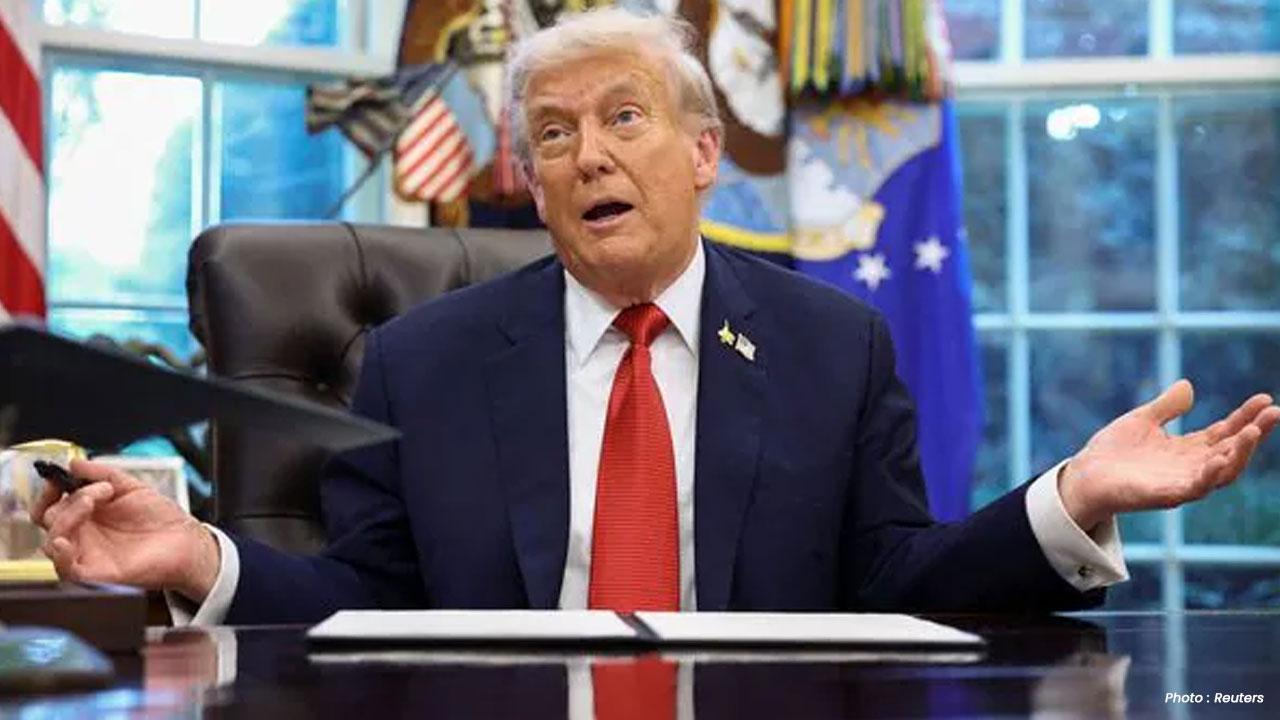
Washington, D.C. – US President Donald Trump has announced a new set of import tariffs starting October 1, 2025, targeting pharmaceutical drugs, kitchen cabinets, bathroom vanities, upholstered furniture, and heavy trucks. The move aims to encourage domestic manufacturing, protect American industries, and reduce the US trade deficit, though economists warn that it could also raise consumer prices and slow economic growth.
Trump posted on his social media platform Truth Social that the new tariffs will not affect companies building manufacturing plants in the United States, defining this as projects that are either “breaking ground” or “under construction.” However, it remains unclear how the tariffs will apply to firms that already have factories in the US.
Details of the Tariffs:
In 2024, the United States imported nearly $233 billion in pharmaceutical and medicinal products, according to the US Census Bureau. Analysts warn that doubling the cost of some medicines could affect healthcare affordability and increase the cost of Medicare and Medicaid programs.
Trump also criticized foreign manufacturers for flooding the US market with furniture and cabinetry, saying that tariffs are necessary “for National Security and other reasons.” He emphasized that heavy truck tariffs will protect domestic producers such as Peterbilt, Kenworth, Freightliner, and Mack Trucks from foreign competition.
Impact on Manufacturing Jobs:
Trump maintains that tariffs will encourage companies to invest in US factories. He has repeatedly dismissed concerns that importers will raise prices for consumers and businesses. However, recent government data shows mixed results. Since April, the Bureau of Labor Statistics reported that manufacturers cut 42,000 jobs and the construction sector downsized by 8,000 jobs, highlighting the potential challenges of implementing high tariffs.
Inflation Concerns:
The president has insisted that inflation is no longer a major issue for the US economy, despite the Consumer Price Index (CPI) rising 2.9% over the past 12 months, up from 2.3% in April. Critics warn that imposing tariffs on essential items like pharmaceuticals could worsen consumer costs and strain households, especially those reliant on medical treatments.
Trump’s announcement reflects his long-standing strategy to use tariffs as leverage to increase domestic production and strengthen the US economy. By exempting companies actively building US plants, the policy encourages investment and job creation, while attempting to shield American businesses from global competition.
The tariffs also come amid ongoing tensions in international trade, and experts believe foreign suppliers may pass the cost of the tariffs to US consumers, potentially affecting housing costs, healthcare prices, and the trucking industry.
Trump’s latest announcement is part of his broader plan to reshape US trade policies and promote self-reliance in critical industries, emphasizing national security and economic growth as top priorities.








Starc Compares Australia's Tough Year to McIlroy's Major Sweep
Mitchell Starc says Australia winning three away Test series and the World Cup would match Rory McIl

France’s Sesterce Plans $11 Billion AI Data Centre in Finland
Sesterce plans a $11 billion AI data centre in Finland, with major expansion, green energy plans and

Danaher to Launch AI-Powered Autonomous Research Lab in 2027
Danaher plans an AI research lab for 2027, combining robotics and automation to speed up drug discov

Musk Welcomes German Support for Tesla Driver Assistance Tech as EU Approval Push Continues
Elon Musk welcomes Germany's backing for Tesla FSD as the company seeks EU approval amid speed, safe

Microsoft and Nvidia CEOs to Unveil AI Laptop at San Francisco Event
Microsoft and Nvidia showcase a new AI laptop with RTX Spark chips as they push powerful local AI co
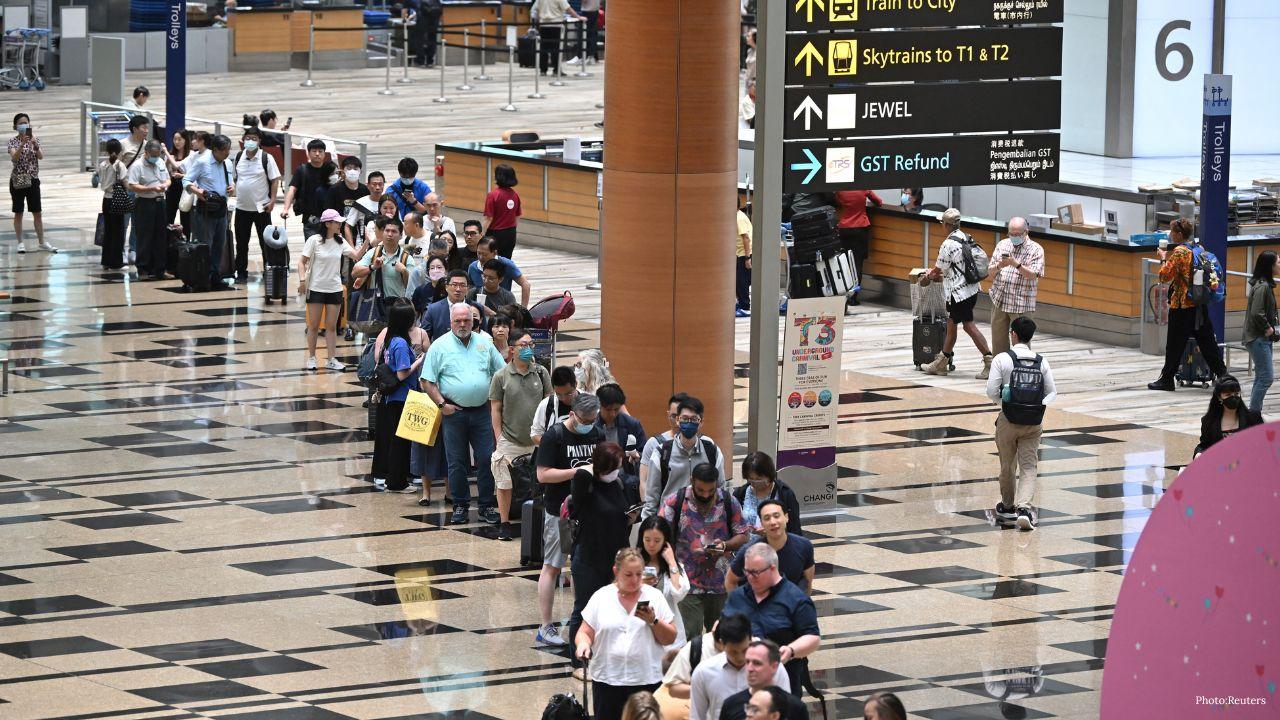
Man to face charges over perfume thefts at Changi Airport
A 47-year-old man faces charges over perfume theft at Changi Airport after six items worth nearly S$