
You have not yet added any article to your bookmarks!
Join 10k+ people to get notified about new posts, news and tips.
Do not worry we don't spam!
Post by : Jyoti Gupta
Photo:Reuters
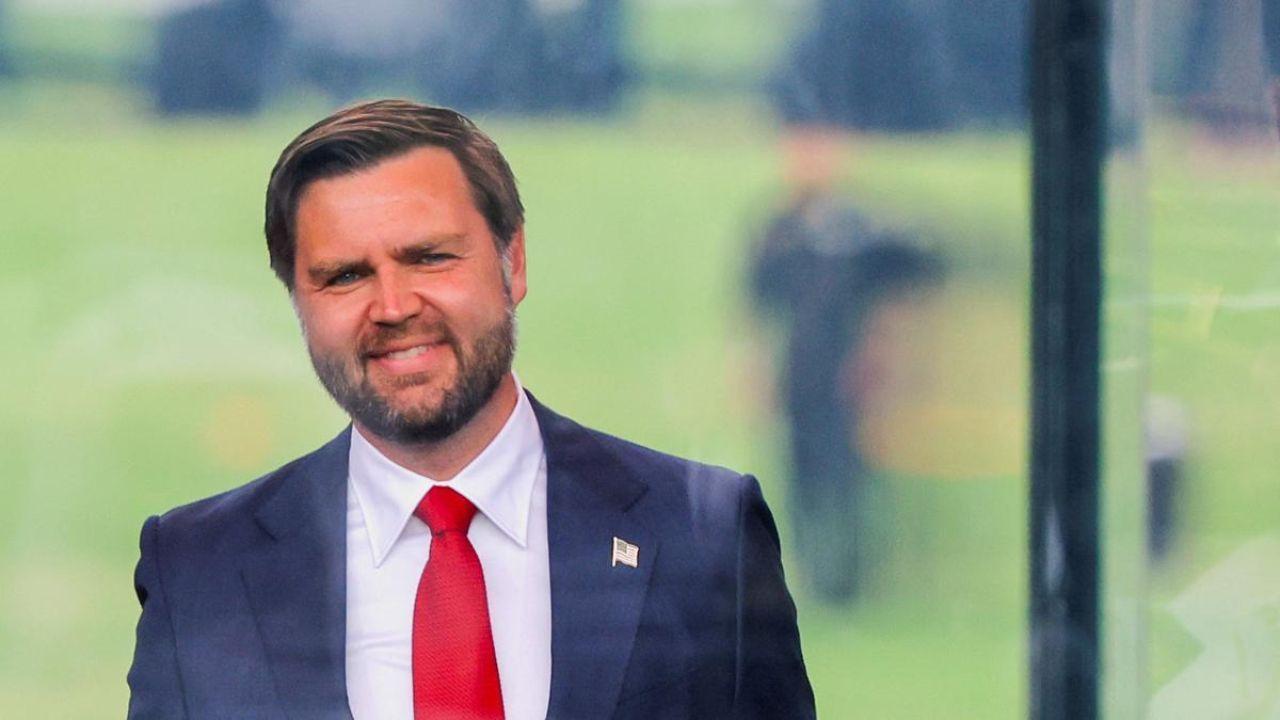
The debate over how to end the war in Ukraine has taken a new turn as U.S. Vice President J.D. Vance revealed that President Donald Trump is using “aggressive economic leverage” to push Russia toward halting its military campaign. One of the most controversial steps in this approach has been the imposition of secondary tariffs on India, a move that Washington says is aimed at cutting Moscow’s oil profits.
Mr. Vance explained in a recent interview that these tariffs are not only directed at India but also indirectly at Russia’s energy-driven economy. He said the purpose is to make it “harder for Russia to get rich from its oil exports,” which continue to fund its war machine in Ukraine. The Vice-President added that Trump has made it clear to Moscow: Russia could be welcomed back into the world economy if it stops the violence, but it would remain isolated if the bombing continues.
Why India is in the spotlight
India has been purchasing Russian crude oil at discounted rates since 2022, after the West imposed sanctions on Moscow in response to the Ukraine invasion. This decision was based on India’s long-standing energy needs and its position that national interest must guide its energy policies. Officials in New Delhi argue that their oil purchases are shaped by market forces and energy security requirements, not by politics.
However, Washington has repeatedly claimed that India’s energy trade with Moscow indirectly funds Russia’s war. This has become a major friction point between the two partners. What has caught many observers by surprise is that the U.S. has been far less vocal about China, which imports even larger volumes of Russian crude oil than India.
Growing trade tensions with Washington
The strain in ties deepened when President Trump doubled tariffs on Indian goods to nearly 50%. An additional 25% duty was imposed specifically on India’s imports of Russian crude oil. These measures, Washington argues, are designed to discourage India from continuing its Russian oil purchases.
But India has strongly pushed back against this accusation. External Affairs Minister S. Jaishankar, speaking in New Delhi, dismissed the criticism as “curious” and even “funny,” noting that Western countries themselves still buy refined oil products originating from Russian crude. He pointed out that if the U.S. or Europe has a problem with oil supplies from India, they simply have the choice not to buy them.
“Europe buys, America buys. If you don’t like it, don’t buy it,” Mr. Jaishankar said firmly, highlighting what India sees as double standards in Washington’s policy.
Diplomatic balancing act
Despite the rising economic friction, Mr. Vance remained confident that the U.S. could still help broker an end to the Ukraine conflict. He said that both Russia and Ukraine have made “significant concessions” in recent weeks, although major sticking points remain. The U.S. hopes that economic measures such as tariffs will pressure Russia into serious negotiations with Ukrainian President Volodymyr Zelenskyy.
Russia, meanwhile, has outlined its own vision for peace. Moscow has demanded security guarantees from major powers and insisted that Ukraine should not be allowed to join NATO. These conditions show just how complicated any peace settlement would be.
India’s broader concerns
India finds itself caught in a difficult position. On one hand, it values its growing partnership with the U.S., particularly in areas like defense cooperation, technology, and trade. On the other hand, its decades-old relationship with Russia, especially in energy and military supplies, remains vital.
Earlier this year, while visiting Jaipur, Vice-President Vance called on India to lower trade barriers and give more access to American businesses. He also encouraged India to buy more U.S. energy and military equipment as part of a long-term roadmap for stronger ties. But the sharp tariff measures imposed by the Trump administration have threatened to undercut this cooperation.
The larger geopolitical picture
The Ukraine war has reshaped global alliances and trade flows. Russia has turned to Asian markets, especially India and China, after Western sanctions shut it out of Europe. India has benefited from cheaper oil, which has helped control inflation and fuel costs at home. But this has also placed New Delhi under growing scrutiny from the West.
The U.S. strategy of targeting India with tariffs shows how Washington is willing to apply pressure not only on adversaries but also on close partners to achieve its geopolitical aims. This has raised questions about the balance between diplomacy and coercion in America’s foreign policy.
At the same time, many analysts believe India will continue buying Russian oil as long as it remains affordable and necessary for its economic growth. With elections in both the U.S. and India influencing decision-making, the issue of energy trade is likely to remain a flashpoint.
Voices from both sides
While U.S. leaders argue that cutting Russia’s oil revenue is essential to ending the war, Indian leaders stress that their decisions are based on practical needs. Mr. Jaishankar’s pointed remarks reflect India’s frustration with what it sees as hypocrisy in the criticism it faces. Meanwhile, Washington insists that without stronger measures, Moscow will not be pressured into peace.
The coming months will show whether Trump’s strategy of combining diplomatic negotiations with economic penalties can succeed in bringing the Ukraine conflict closer to resolution — or whether it will only push India and Russia closer together.










PM Modi Pays Tribute to Mahatma Gandhi, Urges People to Support Khadi
PM Modi pays tribute to Mahatma Gandhi on Gandhi Jayanti and urges citizens to support Khadi and the

Amazon Seeks to Offload $8 Billion in Nvidia Chips to Investors
Amazon plans to move $8 billion in Nvidia chips to investors, using a new financing model to strengt

Samsung Raises Galaxy S26 Prices as Memory Chip Costs Rise
Samsung raises Galaxy S26 prices in South Korea as rising memory chip costs put pressure on smartpho

Lewis Hamilton Calls Singapore Grand Prix One of F1's Toughest Races
Lewis Hamilton discusses the demanding Singapore Grand Prix and brings Plus44 and Almave to Singapor

Denmark's Pandora Opens World's Largest Jewellery Factory in Vietnam
Pandora opens its largest jewellery factory in Vietnam, expanding global production, strengthening s

Gautam Gambhir Questions Batting-Friendly Pitches After India's Record ODI Chase
Gautam Gambhir questions batting-friendly ODI pitches after India’s record chase, calling for a bett

