You have not yet added any article to your bookmarks!
Join 10k+ people to get notified about new posts, news and tips.
Do not worry we don't spam!
Post by : Meena Ariff
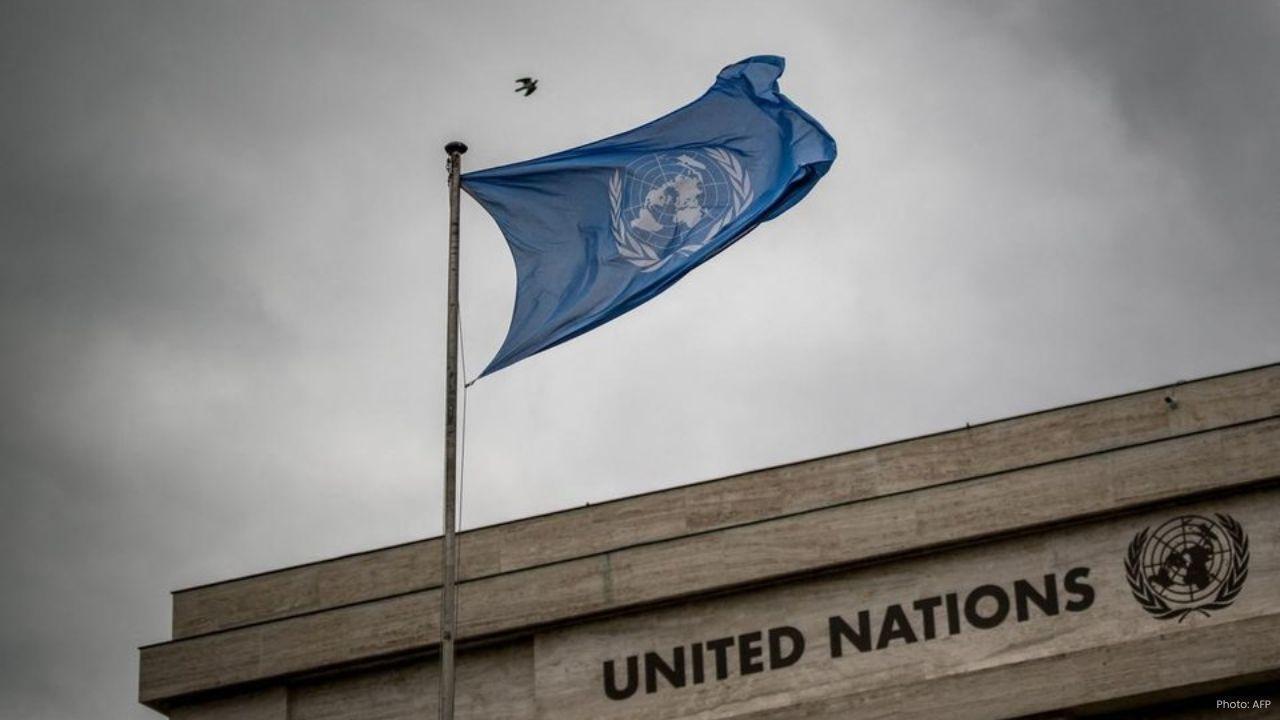
On August 26, the United Nations General Assembly made an important decision that will shape the future of technology worldwide. Member states agreed to form a new international advisory body. This group will guide countries as they make choices about how to use and manage fast-growing modern technology.
Many countries have said they are worried about how quickly new tools are being developed. While these tools can bring great progress, they also carry risks that could affect democracy, human rights, and global stability. Leaders believe there must be stronger cooperation and careful study to ensure technology is used for the good of all people.
Formation of a New Independent Panel
The resolution passed by the General Assembly establishes what is being called the Independent International Scientific Panel on Artificial Intelligence. This panel will include 40 experts from around the world. They will serve for three years and be chosen by the Secretary-General of the United Nations, Antonio Guterres.
These experts will not create new technology themselves. Instead, they will carefully study existing research and evidence. Their main job will be to provide scientific reports that explain both the opportunities and the dangers of modern technology. They will also share guidance with governments so leaders can make better choices when it comes to rules, laws, and international cooperation.
Global Dialogue and Cooperation
One of the most important parts of the resolution is the creation of an annual global dialogue. This meeting will bring together governments, scientists, businesses, and community leaders. The purpose is to share ideas, lessons, and best practices about how to manage technology in a safe and fair way.
These discussions will also connect directly to the United Nations Sustainable Development Goals, which focus on ending poverty, protecting the planet, and ensuring peace and prosperity for all people. Leaders want to make sure that technology becomes a tool for progress rather than a source of harm.
First Summit Scheduled for 2026 in Geneva
The first world summit on this issue will take place in Geneva in 2026. At this event, countries will gather to discuss what has been learned and to decide on the next steps for international cooperation. This summit is expected to be a landmark moment in shaping how the world handles powerful new technologies.
Voices from the Resolution
Costa Rica’s ambassador, Maritza Chan Valverde, who led the discussions alongside Spain’s representative, explained the urgency of the resolution. She said, “The development of technology is advancing at a pace and scale that means it affects all countries across the globe. With this resolution, the United Nations reaffirms its central role in guaranteeing that technology will serve humanity.”
Her words show the shared concern of many nations: while the progress of technology is unstoppable, it must be directed in a way that protects people and strengthens societies.
Why This Step Matters
The creation of this panel shows a deep commitment by the world community. Technology is not only shaping communication, work, and education but also security, politics, and human rights. Without proper rules and understanding, it could be misused in ways that harm society.
By bringing together scientists and experts, the United Nations hopes to provide clear and balanced advice that all countries can trust. This will help smaller nations, which may not have the same resources as bigger ones, to also make informed decisions and protect their people.
The new panel will begin its work soon after the Secretary-General selects its members. Over the next three years, they will release regular studies and recommendations. Their reports will focus on how technology can:
Support education, health, and economic growth
Reduce inequality between countries
Prevent misuse in areas like security and politics
Strengthen cooperation between nations
With these steps, the United Nations is showing that global unity is necessary in facing the challenges of the future. Technology is powerful, but with wisdom and cooperation, it can become a force for peace and development.







Josh Kerr and Jakob Ingebrigtsen Set for 1,500m Rivalry Rematch
Josh Kerr and Jakob Ingebrigtsen will renew their 1,500m rivalry at the Ultimate Championship in Bud

PSG Coach Luis Enrique Urges Players to Step Outside Comfort Zone
PSG coach Luis Enrique says players must leave their comfort zone and keep improving as the club tar

China’s Tiangong Sets New 400m Record at Robot Olympics
China’s Tiangong robot sets a new 400m record at the Robot Olympics, beating a South African robot i

George Russell Wins Dutch GP Sprint, Boosts Mercedes Morale
George Russell wins the Dutch GP Sprint from pole as Mercedes teammate Kimi Antonelli extends his F1

Australia 50/3 After Bangladesh Bowled Out for 64 in Second Test
Australia reached 50/3 after Bangladesh were bowled out for 64 in the second Test, with Mitchell Sta

Jordan Burroughs Returns to Wrestling with 2028 Olympic Dream
Jordan Burroughs returns to wrestling with Real American Freestyle as the Olympic champion eyes a po