You have not yet added any article to your bookmarks!
Join 10k+ people to get notified about new posts, news and tips.
Do not worry we don't spam!
Post by : Mikael Ariff
Maintaining healthy skin goes beyond applying cosmetics or skincare products—your nutritional intake is crucial. A vital nutrient that many overlook is omega-3 fatty acids, essential for ensuring skin stays smooth, resilient, and shielded. Inadequate omega-3 can lead to noticeable skin issues.
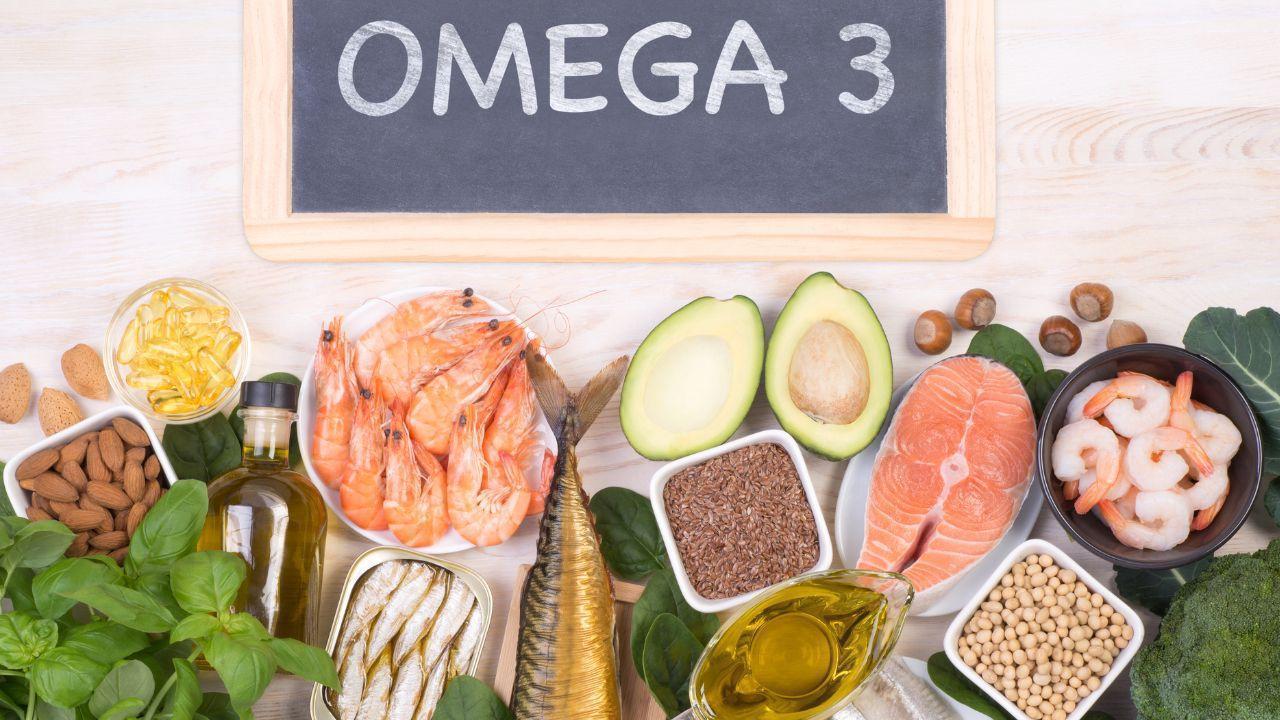
Omega-3 is predominantly found in fatty fish, walnuts, flaxseeds, and chia seeds. Unfortunately, many individuals do not consume these foods regularly, often opting for processed or fast foods that lack these vital nutrients. As a result, omega-3 deficiency is increasingly prevalent, and its effects on skin health are becoming more apparent.
Here are four early signs indicating that your body may not be getting enough omega-3.
A prominent indication of omega-3 deficiency is dry skin. If your skin feels tight, rough, or is flaking even after moisturizing, the underlying issue might relate to your nutrition.
Omega-3 is crucial for maintaining the skin's moisture barrier, which helps to retain water and prevent dryness. When levels are insufficient, the skin can lose hydration and become parched.
This dryness can affect various areas such as the face, arms, legs, and even the scalp. While many attribute dryness to cold conditions or soaps, a poor diet, particularly low omega-3 levels, can be a significant factor.
Another sign to watch for is skin that easily reacts. If you notice redness, itching, or irritation without clear triggers, it may point to low omega-3 levels.
Omega-3 is known to reduce inflammation, and insufficient amounts may lead to an increase in sensitivity, resulting in discomfort and irritation.
Individuals with sensitive skin may observe exacerbated issues when omega-3 is lacking.
Omega-3 plays a role in managing skin oil production and inflammation. A deficiency could cause an uptick in oiliness or an escalated response to bacteria, resulting in acne flare-ups.
With low omega-3 intake, you might find more pimples or prolonged healing times for breakouts. In some instances, acne can leave stubborn marks due to slower skin repair.
While acne can stem from various factors, low omega-3 levels can complicate treatment and management.
Radiant skin typically appears vibrant and healthy. Omega-3 is instrumental in repairing skin cells and shielding them from daily harm. A lack of this fatty acid can make the skin appear lackluster and fatigued.
Signs such as fine lines and uneven texture may manifest prematurely without adequate omega-3, as it aids in maintaining the skin's strength and elasticity.
Omega-3 fatty acids bolster the skin's protective barrier, safeguarding it from external aggressors like pollution, UV damage, and bacteria. While topical products target external issues, omega-3 delivers benefits from within, highlighting the importance of diet for long-term skin wellness.
Individuals who avoid fish or omega-3-rich plant foods are at a heightened risk. Vegetarians and vegans must ensure they include sufficient nuts and seeds to meet their dietary needs.
Those consuming high amounts of fast or processed foods may substitute healthy fats with unhealthy options, exacerbating omega-3 deficiency.
Additionally, digestive issues may hinder the absorption of omega-3 nutrients.
Enhancing omega-3 levels doesn’t require drastic changes; small, gradual modifications can yield significant results.
Incorporating fatty fish, walnuts, flaxseeds, chia seeds, and healthy oils into daily meals is essential for better skin health. Regular inclusion of these foods is more beneficial than consuming them in large quantities sporadically.
It is advisable to consult a healthcare professional before starting any omega-3 supplements, particularly if other health conditions or medications are involved.
Your skin often reflects internal health issues. Signs such as dryness, redness, acne, and a lackluster complexion could indicate omega-3 deficiency.
Recognizing and addressing these symptoms early can enhance your skin's well-being before further complications arise. A balanced diet rich in omega-3 helps nurture calmer, healthier skin.
Optimal skin health derives not just from products but also from essential nutrients within your food.
This article is intended for informational purposes only. The content is based on commonly accepted nutritional guidelines and health information. It's not a substitute for professional medical advice or treatments. Individual dietary needs and health conditions vary, so readers should consult healthcare professionals before making significant dietary adjustments or taking supplements.










Rabada Misses First Australia Test as South Africa Pick Two Spinners
Kagiso Rabada misses the opener as South Africa vs Australia begins, with Anrich Nortje returning an

Starc Compares Australia's Tough Year to McIlroy's Major Sweep
Mitchell Starc says Australia winning three away Test series and the World Cup would match Rory McIl

France’s Sesterce Plans $11 Billion AI Data Centre in Finland
Sesterce plans a $11 billion AI data centre in Finland, with major expansion, green energy plans and

Danaher to Launch AI-Powered Autonomous Research Lab in 2027
Danaher plans an AI research lab for 2027, combining robotics and automation to speed up drug discov

Musk Welcomes German Support for Tesla Driver Assistance Tech as EU Approval Push Continues
Elon Musk welcomes Germany's backing for Tesla FSD as the company seeks EU approval amid speed, safe

Microsoft and Nvidia CEOs to Unveil AI Laptop at San Francisco Event
Microsoft and Nvidia showcase a new AI laptop with RTX Spark chips as they push powerful local AI co