You have not yet added any article to your bookmarks!
Join 10k+ people to get notified about new posts, news and tips.
Do not worry we don't spam!
Post by : Badri Ariffin
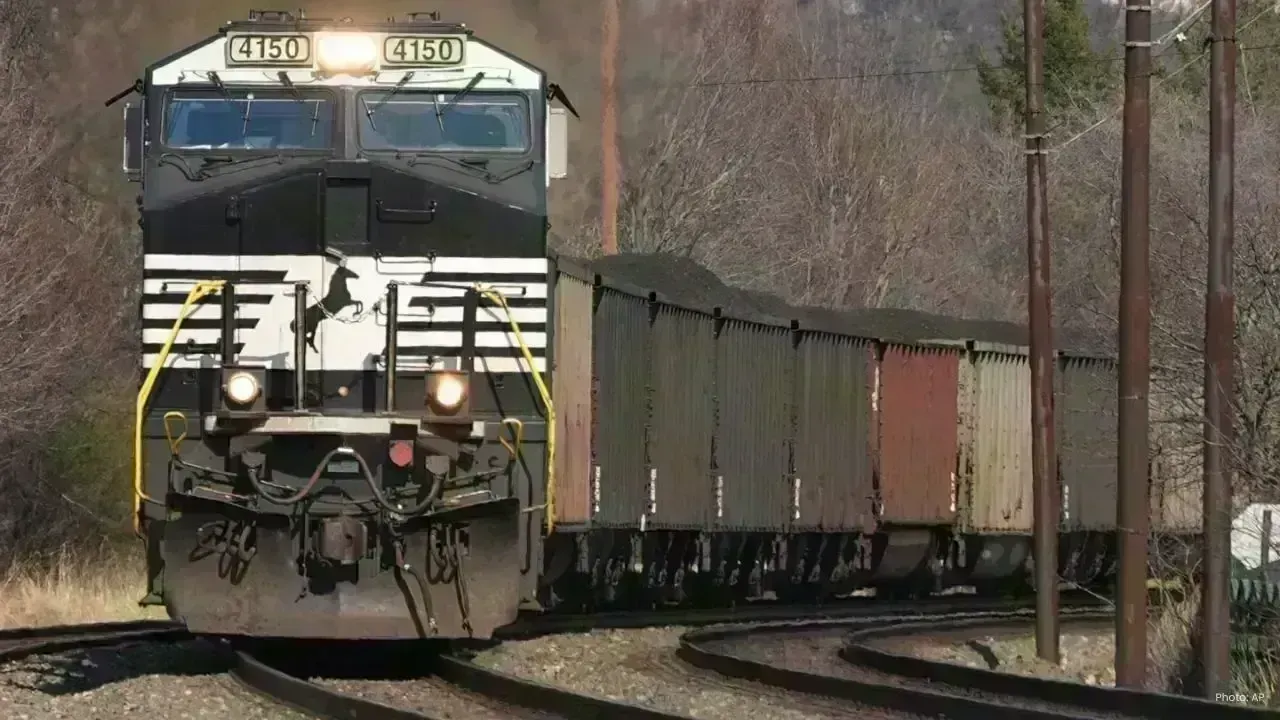
The planned $85 billion merger between Union Pacific and Norfolk Southern—which strives to establish the United States' first coast-to-coast railroad—faces significant pushback. Two leading unions representing rail workers have pulled their support, claiming this deal could result in job losses, compromised safety standards, escalated shipping costs, and major disruptions across the nation.
This issue is particularly critical, as these unions comprise over half of the workforce at the two companies. Their vocal opposition intensifies scrutiny from regulators, customers, and politicians regarding whether the merger serves public interest.
Opponents of the Merger
The unions that have rejected the merger include:
The Brotherhood of Locomotive Engineers and Trainmen (BLET)
The Brotherhood of Maintenance of Way Employes Division (BMWED)
Both unions are affiliated with the Teamsters, one of the largest labor organizations in the U.S.
They join a host of other significant opponents, including:
The American Chemistry Council
Agricultural organizations
BNSF, a competing railroad
Their primary concern revolves around the potential negative impact on competition and the likelihood of increased shipping costs for customers.
Support for the Merger
Despite union concerns, several groups continue to back the merger, including:
The largest rail union representing conductors in the nation
Numerous shipping firms
Former President Donald Trump, who has praised the proposal as beneficial
Union Pacific's CEO Jim Vena claims that the merger will enhance overall efficiency and speed of the rail system. He argues that eliminating the need for operational changes mid-route will help minimize delays, making rail transport more competitive against trucking.
Shareholders from both companies have also shown support, viewing the merger as a financially viable strategy.
Union Concerns
The unions highlight several critical concerns:
1. Job Security
They argue that:
Workers might have to relocate excessively
Some positions may transition to smaller short-line companies with lower pay
There is a lack of legal safeguards against job outsourcing
Though Union Pacific claims to have agreed on a 'jobs-for-life' deal with five unions, both BLET and BMWED contend that the provisions remain unclear and untrustworthy.
2. Safety Risks
Following a serious derailment in East Palestine, Ohio, Norfolk Southern has taken steps to improve safety. However, unions argue that Union Pacific hasn't made similar advancements.
They believe the merger could lead to:
Fewer inspections
Longer cargo trains
Increased pressure on workers
Deteriorating safety standards
They claim that any resulting issues could jeopardize both public safety and worker wellbeing.
3. Higher Shipping Prices
Union leaders believe the merger will stifle competition and provide the merged entity with leeway to impose rate hikes.
In layman's terms:
less competition = higher prices for consumers and businesses.
There are also concerns regarding the transfer of cargo to smaller rail lines that may not cover as many regions and could delay deliveries.
Broader Competition Issues
Monopolistic Concerns
This merger could yield a single entity controlling over 40% of U.S. freight. Experts caution this represents a significant portion of the market.
Some analysts suggest this could pave the way for further mergers, potentially leading to two colossal rail operators dominating the sector. Such a scenario would drastically alter the dynamics of the rail industry and its governance.
One commentator described the merger as a 'paradigm shift'—an unprecedented transformation for railroads.
Competitor Opposition
Warren Buffett's Berkshire Hathaway-owned BNSF has vehemently opposed the merger.
Their contention includes:
Customers did not request the merger
The initiative primarily benefits shareholders
Shipping costs may rise
Consumer choices may diminish
BNSF advocates for fostering cooperation among rail operators instead of pursuing consolidation.
Government Scrutiny Ahead
The U.S. Surface Transportation Board (STB) will evaluate whether to greenlight the merger. The STB follows stringent guidelines, particularly for significant railroad mergers. Following previous mergers that resulted in substantial shipment delays, new regulations were established in 2001.
For the merger to be sanctioned, the board must be assured of the following:
The merger serves public good
Competition remains intact
Price hikes will be avoided
Safety will not be compromised
Consequently, the unions' objections may carry significant weight in the final ruling.
Public Implications
The resolution regarding this merger could influence:
The cost of shipping essential goods like food and fuel
Train traffic patterns in smaller communities
Employment prospects in urban and rural areas
Increased road congestion should rail become less efficient
The robustness of the national supply chain
Should the merger result in fewer rail routes or heightened prices, those repercussions would ultimately affect consumers and businesses alike.
Evaluating the Coast-to-Coast Railroad Prospects
Proponents argue that the merger could:
Accelerate cross-country freight delivery
Minimize cargo delays
Enhance competition with trucking
Streamline operations
On the contrary, critics assert it could:
Diminish market competition
Increase prices
Result in job reductions
Compromise safety protocols
Negatively impact smaller towns
The fundamental question remains whether the benefits overshadow the risks involved.
Looking Ahead
Formal applications from the companies are forthcoming.
Regulators, unions, businesses, and community organizations will submit their perspectives.
The Surface Transportation Board will conduct hearings.
A conclusive decision might take several months or up to a year.
The potential merger between Union Pacific and Norfolk Southern may redefine the U.S. rail landscape. It promises greater efficiency and quicker transit; however, unions and critics highlight severe risks including job cuts, inflated shipping rates, and compromised safety.
Ultimately, whether this merger leads to a transformative national rail system or establishes an unyielding monopoly will hinge on government scrutiny and input from stakeholders.
The discussion is far from concluded. The implications are substantial—for workers, consumers, enterprises, communities, and the national economy.







Josh Kerr and Jakob Ingebrigtsen Set for 1,500m Rivalry Rematch
Josh Kerr and Jakob Ingebrigtsen will renew their 1,500m rivalry at the Ultimate Championship in Bud

PSG Coach Luis Enrique Urges Players to Step Outside Comfort Zone
PSG coach Luis Enrique says players must leave their comfort zone and keep improving as the club tar

China’s Tiangong Sets New 400m Record at Robot Olympics
China’s Tiangong robot sets a new 400m record at the Robot Olympics, beating a South African robot i

George Russell Wins Dutch GP Sprint, Boosts Mercedes Morale
George Russell wins the Dutch GP Sprint from pole as Mercedes teammate Kimi Antonelli extends his F1
Australia 50/3 After Bangladesh Bowled Out for 64 in Second Test
Australia reached 50/3 after Bangladesh were bowled out for 64 in the second Test, with Mitchell Sta
Jordan Burroughs Returns to Wrestling with 2028 Olympic Dream
Jordan Burroughs returns to wrestling with Real American Freestyle as the Olympic champion eyes a po