You have not yet added any article to your bookmarks!
Join 10k+ people to get notified about new posts, news and tips.
Do not worry we don't spam!
Post by : Mikael Ariff
When it comes to calcium sources, many immediately think of milk. Traditionally seen as the primary food for strong bones and teeth, recent insights suggest that some plant-based alternatives exceed its calcium content by weight. Among these superfoods is sesame, commonly known as til.
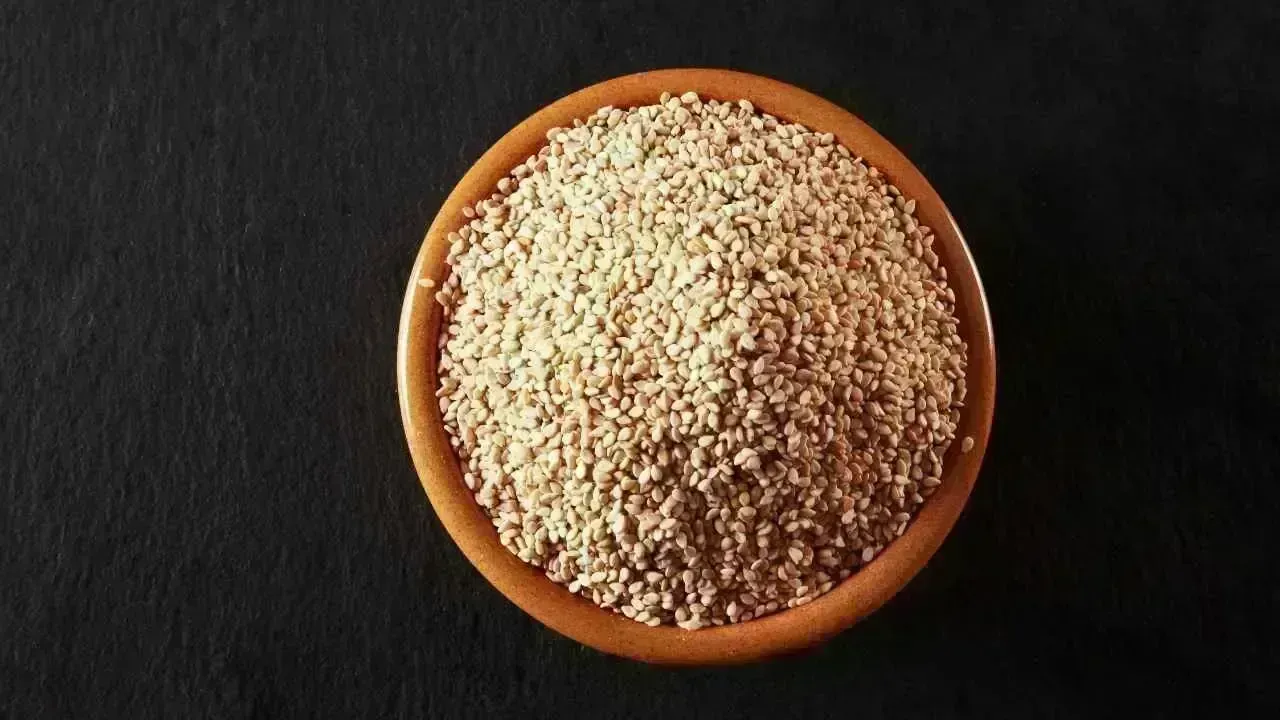
Though tiny, sesame seeds are densely packed with essential nutrients. They have a long history of incorporation into diets across Asia, the Middle East, and India. Currently, nutritionists are reigniting interest in sesame seeds due to their robust health advantages.
While milk is a known calcium source, sesame seeds contain a higher concentration of this vital mineral. Just a few seeds deliver significant calcium, presenting an excellent alternative for those who don’t consume dairy.
For vegetarians, vegans, and lactose-intolerant individuals, sesame seeds serve as a natural method to fulfill daily calcium requirements.
One of the key benefits of sesame seeds includes their capacity to fortify bone and dental health. Calcium plays an essential role in maintaining bone vitality, especially as we age.
Additionally, sesame seeds are rich in magnesium and phosphorus, minerals that collaborate with calcium to enhance bone density. As such, they are beneficial for all age groups, from children to seniors.
Packed with healthy fats, sesame seeds promote heart health. These beneficial fats can help maintain balanced cholesterol levels. Regularly incorporating sesame seeds may lower bad cholesterol and foster heart wellness.
They also possess properties that facilitate optimal blood flow and support vascular health.
Rich in fiber, sesame seeds are crucial for digestive health. Fiber aids in preventing constipation and ensures consistent bowel movements.
Integrating sesame seeds into meals can enhance digestive activity and maintain a healthy gut flora.
Sesame seeds serve as an excellent natural source of energy, containing healthy fats, proteins, and vital minerals that combat fatigue.
For those feeling drained—particularly during winter months or after long working days—adding sesame seeds to your diet can prove beneficial.
In traditional nutrition, sesame seeds have been recommended for maintaining joint and muscle health, particularly in colder weather. The minerals within these seeds help in keeping joints flexible and muscles strong.
For individuals experiencing stiffness or soreness, regular consumption of sesame seeds can be advantageous.
With antioxidants and healthy fats, sesame seeds can enhance skin softness and nourishment, particularly beneficial in winter dryness.
For hair wellness, they provide vital nutrients that support scalp health and hair strength. Consuming sesame seeds regularly can counteract nutrient-induced hair weakness.
Sesame seeds are rich in zinc and antioxidants that bolster the immune system, aiding the body in fighting infections and swift recovery from illnesses.
Incorporating sesame seeds into a balanced diet can enhance your body’s defense mechanisms.
Despite containing fats, sesame seeds can aid in weight regulation when consumed in moderation. Their fiber and protein content curbs hunger, helping to lessen frequent snacking.
Thus, they are a valuable addition to meals without causing weight gain.
There are various convenient ways to enjoy sesame seeds. They can be lightly toasted and sprinkled over vegetables, salads, breads, or snacks. Additionally, they can be mixed into warm dishes.
Soaking sesame seeds beforehand may facilitate better digestion and nutrient utilization.
Only a small quantity, about one to two teaspoons daily, is sufficient to reap health benefits.
Those allergic to sesame seeds should completely avoid them.
Individuals with sensitive digestive systems should start with minimal amounts to assess tolerance.
As with any food, moderation is key.
Though small, sesame seeds hold considerable health benefits, providing more calcium than milk and supporting multiple aspects of health from bones to immunity.
Incorporating a pinch of sesame seeds into daily meals can seamlessly enhance overall health, emphasizing balance and body awareness for optimal outcomes.
For many, sesame seeds transcend mere traditional ingredients; they represent a nutrition powerhouse deserving greater attention in everyday cuisine.
This article serves informational purposes only, based on general nutrition knowledge and traditional dietary practices. It is not a substitute for professional medical advice, diagnosis, or treatment. Individual health needs may differ significantly. Always consult a healthcare professional before altering your diet, especially concerning allergies or pre-existing health issues.










Rabada Misses First Australia Test as South Africa Pick Two Spinners
Kagiso Rabada misses the opener as South Africa vs Australia begins, with Anrich Nortje returning an

Starc Compares Australia's Tough Year to McIlroy's Major Sweep
Mitchell Starc says Australia winning three away Test series and the World Cup would match Rory McIl

France’s Sesterce Plans $11 Billion AI Data Centre in Finland
Sesterce plans a $11 billion AI data centre in Finland, with major expansion, green energy plans and

Danaher to Launch AI-Powered Autonomous Research Lab in 2027
Danaher plans an AI research lab for 2027, combining robotics and automation to speed up drug discov

Musk Welcomes German Support for Tesla Driver Assistance Tech as EU Approval Push Continues
Elon Musk welcomes Germany's backing for Tesla FSD as the company seeks EU approval amid speed, safe

Microsoft and Nvidia CEOs to Unveil AI Laptop at San Francisco Event
Microsoft and Nvidia showcase a new AI laptop with RTX Spark chips as they push powerful local AI co