You have not yet added any article to your bookmarks!
Join 10k+ people to get notified about new posts, news and tips.
Do not worry we don't spam!
Post by : Anis Farhan
Across many metropolitan areas, a subtle but steady shift is taking root — the urban gardening revival. Amid dense skylines and limited land, city residents are increasingly choosing to grow herbs, vegetables and ornamentals at home. What started as a pastime during lockdowns has matured into an enduring lifestyle choice driven by practical and emotional motives.
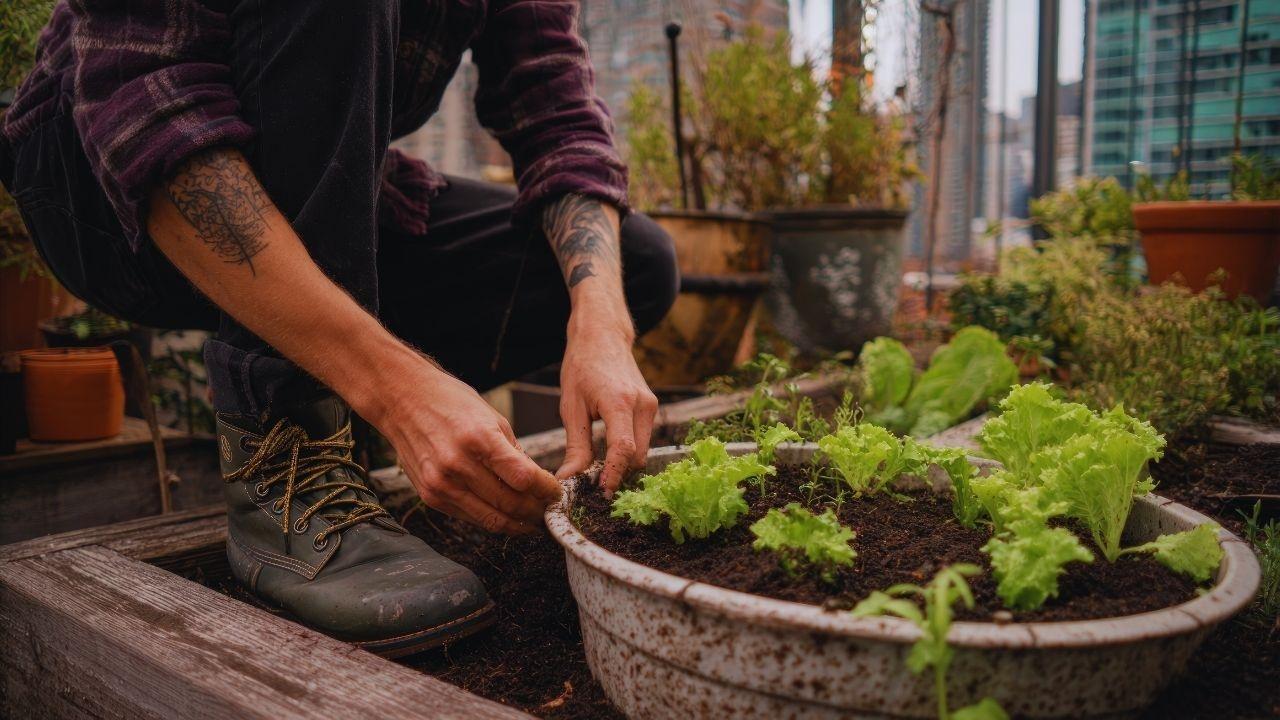
From Tokyo to Kuala Lumpur, Dubai to Seoul, terraces, balconies and rooftops are being repurposed into verdant pockets. Window herb boxes, container tomato plants and compact indoor grow rigs are now common sights. Urban gardening has moved beyond a niche trend to become a statement about living mindfully, sustainably and with greater connection to nature.
The pandemic prompted many people to seek fresh food and calming routines at home. What began as a coping mechanism often became a lasting habit: consumers who once bought basil now tend it on a windowsill.
Unlike many short-lived lockdown activities, gardening endured. Years on, the practice persists because it meets a deeper need for grounding and visible, tangible progress amid a fast-paced digital world.
Beyond aesthetics, gardening offers emotional benefits. For urban residents, caring for plants has become a practical way to manage stress and push back against the pressures of city living.
Several converging trends explain the momentum behind this movement:
Growing sustainability concerns: Rising awareness about climate and food systems is prompting people to reduce dependence on long supply chains by cultivating some of their own food.
Focus on wellbeing: Gardening is recognised as a low-cost therapeutic activity; even brief daily care for plants can ease stress and improve mood.
Accessible technology: App-linked planters, automated irrigation and small-scale hydroponics make it feasible to manage plants in compact urban homes.
Economic pressures: Higher grocery costs and occasional supply disruptions have nudged households toward home-grown herbs and vegetables to save money.
Design and social appeal: Visual platforms and lifestyle media have made balcony gardens a modern aesthetic, inspiring many to build their own green corners.
Large plots are not a prerequisite for gardening anymore. Creativity and innovation have enabled planting in very small footprints.
Residents are adopting vertical plantings, stacked hydroponic shelves and various forms of container gardening to maximise limited light and airflow. Every centimetre is planned for efficiency.
Even micro-apartments are joining the trend: curtain-hung pots, wall-mounted planters and jar-grown lettuces are practical solutions. The clear message: gardening is possible without a yard.
Advances in technology have reshaped urban horticulture. Hydroponic setups allow vegetables to be raised in nutrient solutions indoors, bypassing the need for traditional soil beds.
Smart containers now track humidity, nutrients and light, delivering notifications to smartphones. Some systems include AI-driven adjustments for watering and lighting, lowering the barrier for novice growers.
This blend of nature and tech has fostered a smart garden movement where households of varied skill levels can reliably produce fresh food in city apartments.
There is a meaningful psychological dimension to this revival. In screen-dominated lives, tending plants provides quiet, routine moments and a sense of stewardship.
Gardening cultivates patience and observation. Seeing seedlings emerge and mature offers a simple but powerful reminder of natural rhythms and continuity.
Mental health professionals note the grounding effect of regular plant care. Small acts like watering or pruning can counter sensory overload and create moments of calm.
As one urban grower in Mumbai put it, "My balcony garden gives me a daily pause — a place to breathe and focus."
Beyond private balconies, collective initiatives are expanding access to green space. Community gardens and shared urban farms are appearing in dense neighbourhoods.
Unused plots and rooftops are being converted into cooperative growing areas that strengthen social ties, mitigate urban heat and provide affordable produce.
Municipal programmes in cities such as Singapore and Toronto are supporting these projects through grants and land use policies. Tech campuses and residential complexes are also creating communal gardens to promote sustainability.
These shared spaces serve as practical and symbolic responses to urban isolation.
A major 2025 trend is the rise of microgreens — quick-growing, nutrient-rich seedlings like radish, kale and arugula that are ideal for indoor cultivation.
Their fast turnaround and small footprint make microgreens perfect for city kitchens, where they add flavour and nutritional value to meals.
Combined with simple home composting, many residents are creating small circular systems: grow, eat, compost, repeat. Culinary herbs and salad greens have become standard fixtures in contemporary apartment design.
Design professionals increasingly weave greenery into urban projects. The concept of biophilic design — integrating natural elements into buildings — is gaining traction across the region.
New residential developments often include green facades, rooftop planters and landscaped balconies. Workplaces are also introducing plants to boost wellbeing and indoor air quality.
Examples from Singapore and Dubai show how combining solar technologies with rooftop food plots can yield both environmental and social benefits, underscoring that green design is practical as well as attractive.
Despite its advantages, urban gardening faces practical constraints. Limited sunlight, space, maintenance demands and local regulations can hinder efforts.
Air and soil pollution can affect plant health, while water scarcity in arid areas requires careful management. Apartment rules may also restrict structural changes to balconies or rooftops.
Innovations like self-watering containers, plants that tolerate shade and lightweight planting solutions help to address many obstacles. Public education and targeted subsidies also play a role in widening participation.
Individually modest, collective urban gardening yields measurable environmental returns.
Lower emissions: Local produce cuts down transport and packaging footprints.
Cleaner air: Vegetation absorbs pollutants and contributes to healthier neighbourhoods.
Cooling effects: Roof gardens and green walls help mitigate urban heat islands.
Waste reduction: Home composting diverts organic matter from landfills.
Collectively, many small gardens can make city environments more livable.
Digital platforms have accelerated the spread of urban gardening. Enthusiasts and content creators share techniques, transformations and quick tips that attract new practitioners.
Hashtags and short-form videos have rebranded plant care for younger audiences, reframing gardening as contemporary, creative and socially relevant rather than purely recreational.
This online energy helps demystify cultivation and encourages broader participation across age groups.
Urban gardening creates ripple effects beyond individual wellbeing. It strengthens local food resilience, supports small-scale commerce and builds community networks.
Surplus produce is sometimes sold through local markets or platforms, while small urban farms can offer part-time income and social opportunities, particularly for older residents and caregivers.
Educational programmes in schools bring students into rooftop gardens to learn about ecology, nutrition and sustainable practices, fostering lifelong appreciation for food systems.
Practical first steps for new growers include:
Evaluate your site: Note sunlight, wind exposure and usable area.
Begin modestly: Choose forgiving plants such as basil, mint or leaf lettuce.
Reuse containers: Jars, crates and pots can be adapted to save resources.
Think vertically: Use wall planters or hanging systems to expand capacity.
Conserve water: Employ drip lines or self-watering pots.
Prefer organic: Use compost and natural pest controls when possible.
Be consistent: Regular attention matters more than intensive effort.
Small, steady steps can build a resilient and rewarding urban garden.
Urban gardening signals a shift toward hands-on sustainability — citizens taking incremental action that complements broader policy efforts. Planting a seed in a city setting is a practical expression of concern for cleaner air, fresher food and personal wellbeing.
As urban density increases, these small-scale practices help reconnect people to natural cycles and community life. The movement is less about fashion and more about reshaping everyday living.
In 2025, the boundary between urban living and nature is softening. Gardening has become a cultural element in many cities — a compact, meaningful way to practice sustainability and find calm.
Whether through a windowsill herb patch, a shared rooftop garden or a smart indoor system, each effort contributes to a greener, healthier cityscape.
The urban gardening revival demonstrates that with creativity and commitment, meaningful growth can happen in very small places.
This piece is intended for informational and editorial purposes. It surveys trends in urban horticulture and lifestyle. Readers should consult local rules, research specific plant care, and seek professional guidance where needed before starting their own gardens.










G7 to Hold AI Cybersecurity Exercises to Protect Financial Systems
G7 finance leaders will conduct AI cybersecurity exercises to prepare for cyber attacks and protect

Spain's Diego Poncelet Sets Skateboarding World Speed Record
Spain's Diego Poncelet reaches 151.83 km/h in a record-breaking downhill skateboard run in Canada, s

Hyundai Recalls 94,622 US Vehicles Over Potential Fire Risk
Hyundai recalls 94,622 US vehicles over overheating seat motors. Check affected Genesis models, fire

Nvidia Pledges $250 Million for UK AI Safety Research
Nvidia will provide $250 million in computing resources over five years to support AI safety researc

Jacob Bethell Returns as England Name Squads for Australia Tour
England name ODI and T20 squads for the Australia tour, with Jacob Bethell returning from injury and

Beauden Barrett Opens Up About Mental Struggles During All Blacks Exile
Beauden Barrett discusses his confidence struggles after missing six tests, his return against Austr