You have not yet added any article to your bookmarks!
Join 10k+ people to get notified about new posts, news and tips.
Do not worry we don't spam!
Post by : Rameen Ariff
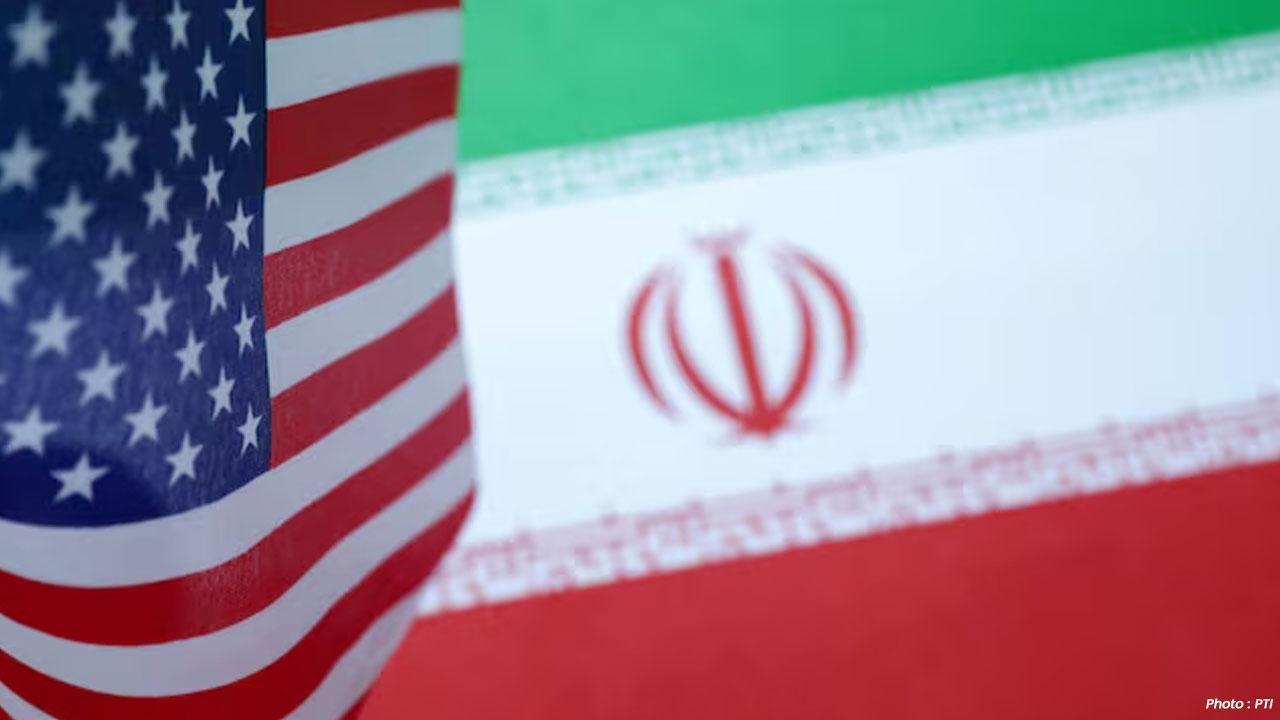
The United States is preparing to deport 120 Iranian nationals back to Iran this week, marking a significant step in President Donald Trump's ongoing immigration crackdown. This deportation includes many individuals who had sought refuge in the United States, some of whom entered the country illegally. The move follows months of negotiations between Washington and Tehran, resulting in a rare agreement between the two long-time rivals.
Hossein Noushabadi, a consular affairs official at Iran’s Foreign Ministry, confirmed that the deportees will be flown home over the next few days. The U.S. Immigration Service has reportedly identified around 400 Iranians for deportation, highlighting the scale of the enforcement action under the Trump administration.
Nearly 100 of those being deported were individuals who had formally applied for asylum in the United States. This group’s return underscores the strict approach being taken by U.S. authorities against migrants, even those seeking protection from persecution in their home country.
A U.S.-chartered aircraft carrying the deportees left the southern state of Louisiana on Monday evening and is expected to land in Tehran after a brief stopover in Qatar. The deportations have been described as “the most stark push yet” by the Trump administration to send migrants back to countries with challenging human rights conditions.
Earlier in 2025, the United States deported other Iranian nationals, including many Christians, to Central American countries such as Costa Rica and Panama. These actions have drawn international attention, raising concerns over the treatment of asylum seekers and the legal and humanitarian implications of such deportations.
Critics argue that deporting migrants, including those who entered legally or sought refuge, could put them at risk due to Iran’s limited protections for religious and political minorities. The deportation process also reflects broader debates on U.S. immigration policy, border security, and the government’s approach to undocumented migrants.
As the first flights arrive in Tehran, the global community will closely watch the outcomes, particularly for asylum seekers who face potential legal and social challenges upon return. This development highlights the increasingly complex intersection of international diplomacy, immigration law, and human rights in an era of stricter border controls.






Lamborghini Catches Fire on Singapore's ECP, Causing Heavy Traffic
A Lamborghini caught fire on Singapore's ECP, causing heavy traffic and bus delays. No injuries were

Bangkok Airport Duty-Free Area Flooded by Pipe Burst
A burst water pipe flooded the duty-free shopping area at Bangkok's Suvarnabhumi Airport on July 16,
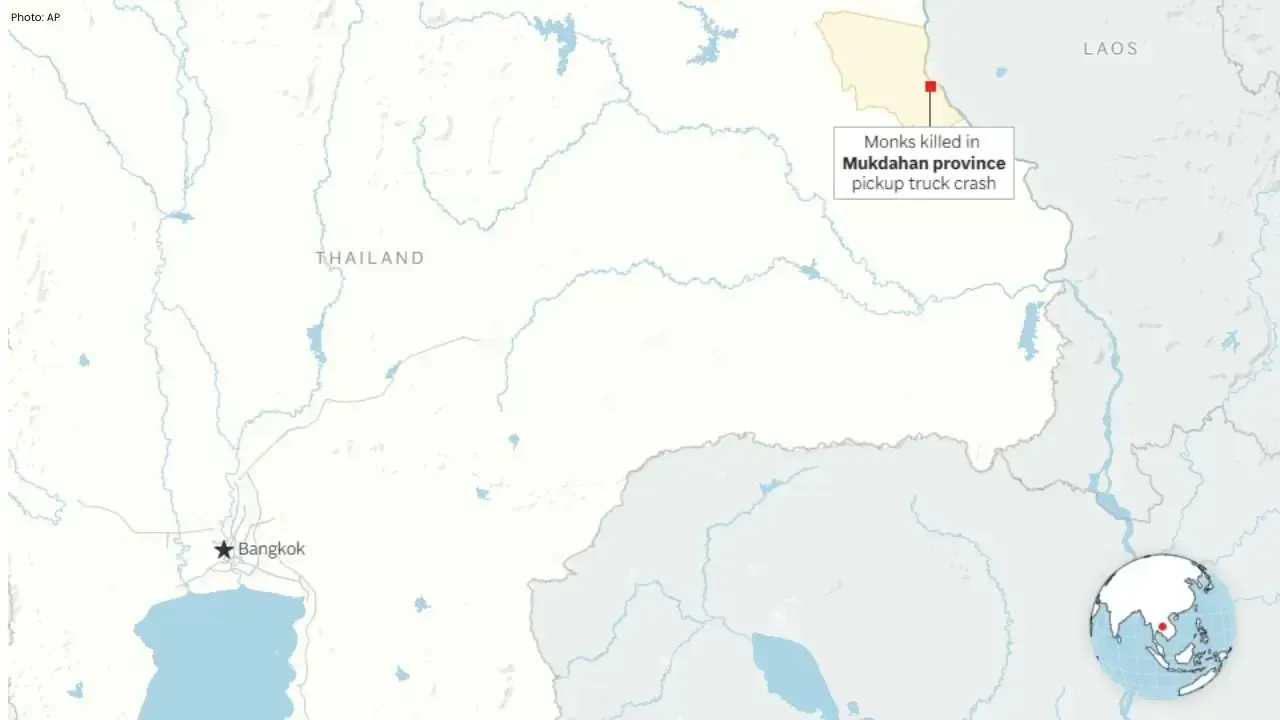
Nine Monks Killed in Thailand Pickup Truck Tragedy
An 11-year-old boy driving a pickup truck crashed into monks during a pilgrimage in northeastern Tha

Anwar Congratulates Xi on CPC's 105th Anniversary
Malaysia reaffirms strong ties with China as PM Anwar Ibrahim sends a congratulatory letter to Presi

Thai Agriculture Team Reviews 2026 Farm Development Plans
Agriculture Ministry officials inspected livestock and organic rice projects in Nakhon Sawan to moni

Thailand, Canada Boost Ties in PM-Level Phone Talks
Thailand and Canada agreed to strengthen trade, security, OECD cooperation and ASEAN-Canada FTA talk