You have not yet added any article to your bookmarks!
Join 10k+ people to get notified about new posts, news and tips.
Do not worry we don't spam!
Post by : Saif Rahman
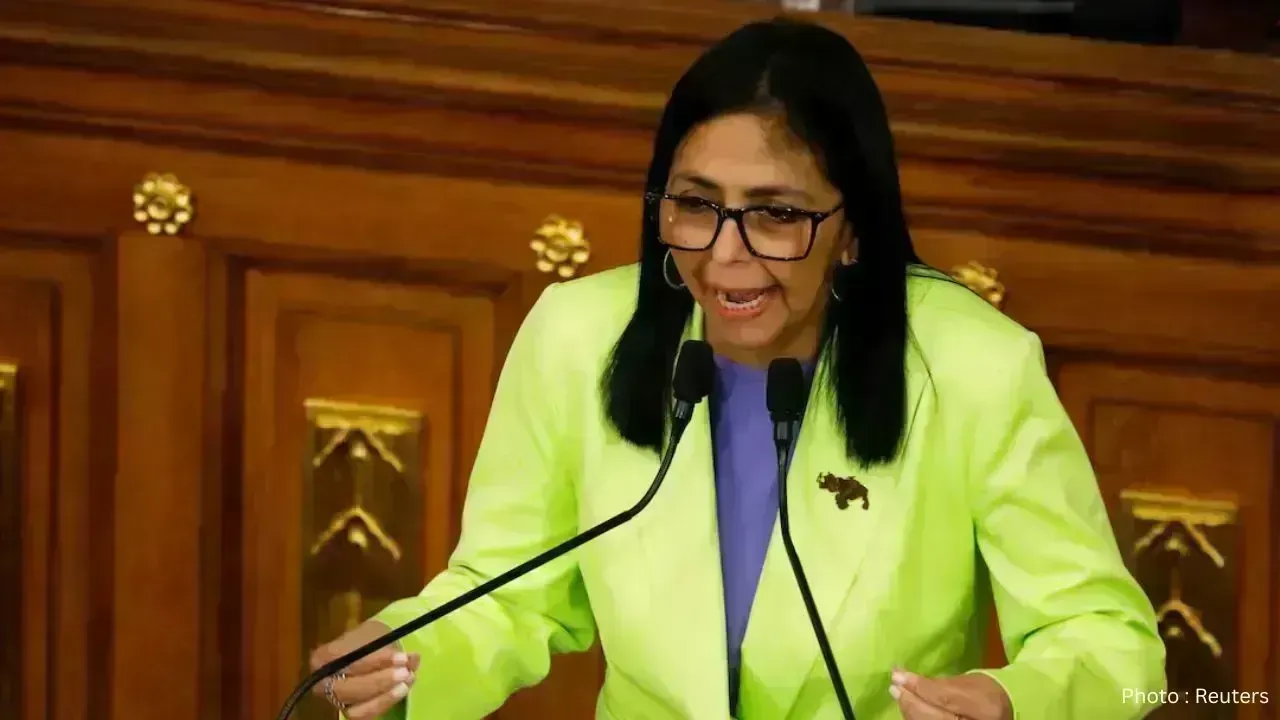
Venezuela embarks on a tumultuous journey as interim president Delcy Rodriguez unveils significant modifications to the nation’s oil legislation aimed at luring foreign investments and revitalizing its faltering energy industry. This announcement arrives during a period of extensive political upheaval, marked by the ousting of former President Nicolas Maduro by U.S. forces and increasing American dominance over Venezuela’s oil revenues.
During her inaugural annual address to the National Assembly, Rodriguez expressed intentions to propose amendments to Venezuela’s enduring hydrocarbon law. Her objective is clear: to facilitate new investments in undeveloped oil fields and locations lacking essential infrastructure. Despite possessing some of the world’s largest oil reserves, Venezuela has been hindered by years of poor governance, sanctions, and political discord, resulting in production that falls significantly short of its potential.
The existing laws dictate that foreign entities can only collaborate with the state-owned PDVSA, which must retain a majority interest in all initiatives. Investors, particularly those from the U.S., have long voiced grievances regarding this stipulation, claiming it stifles efficiency and deters new capital. While Rodriguez did not provide specific details on the legislative changes, her comments indicate a potential for increased flexibility for foreign investors.
This push for reform coincides with tightening U.S. control over the Venezuelan oil sector. Washington asserts that approximately $500 million has already been accrued from Venezuelan oil transactions under a recent agreement, with funds stored in U.S.-managed accounts, one of which is reported to be located in Qatar. Furthermore, the Trump administration has proposed an ambitious $100 billion reconstruction plan for Venezuela, signaling a long-term commitment to the country’s energy landscape.
Rodriguez emphasized that oil revenues would be allocated towards improving worker conditions and public services, a strategic message aimed at alleviating public anxieties and fostering trust. The economic deterioration, compounded by shortages in food and medicine, has caused considerable hardship for many Venezuelans, despite the country’s abundant natural resources.
Taking office just ten days prior to this announcement, Rodriguez succeeded in the wake of Maduro’s dramatic arrest alongside his wife, who are being sent to the U.S. to address drug-related allegations, which Maduro categorically denies. Since then, Rodriguez has aimed to position herself as a stabilizing force, advocating for diplomatic relations with Washington and promoting a more measured political environment. She assured that if ever called upon, she would visit the U.S. with dignity.
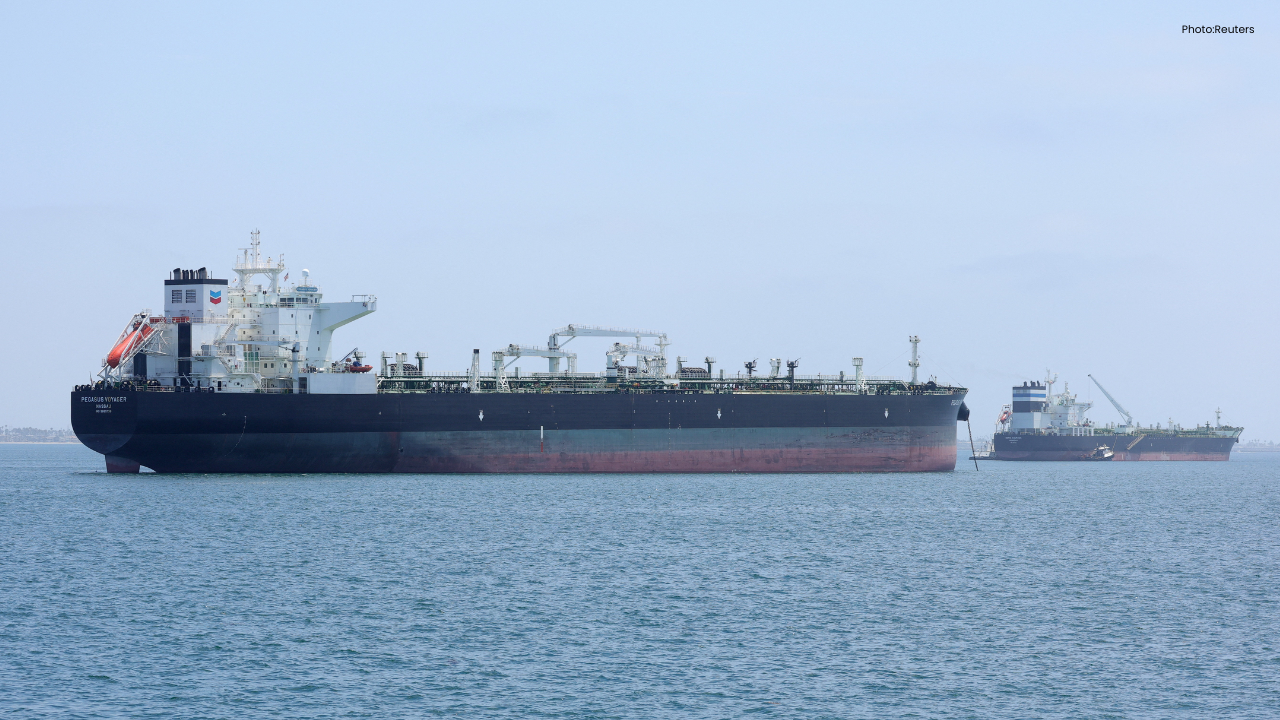
Her address occurred against a backdrop of continued U.S. pressure, which recently included the seizure of another oil tanker connected to Venezuela, part of a broader initiative that pressured Maduro from power. President Trump remarked that the U.S. intends to retain control over Venezuela’s oil resources for the foreseeable future, raising concerns regarding sovereignty both domestically and internationally.
Simultaneously, opposition leader Maria Corina Machado was engaged in discussions with Trump at the White House. While he commended Rodriguez as a cooperative leader, U.S. officials expressed skepticism about Machado as a viable alternative. They also indicated uncertainties surrounding a timeline for elections in Venezuela, adding to the precariousness of the nation’s democratic aspirations.
However, Machado cautioned that political oppression persists under Rodriguez's administration, asserting to U.S. lawmakers that arrests and restrictions continue unabated and fewer political prisoners were released than claimed. Human rights entities within Venezuela share these concerns.
Rodriguez’s intent to reform the oil legislation is under scrutiny both domestically and internationally. For investors, this could signal a more welcoming approach to revitalizing the oil sector. For ordinary Venezuelans, it stirs hopes that oil profits might finally be funneled into enhancing everyday life. Yet it equally raises alarms over the potential for intensified foreign dominion, particularly from the U.S., which could threaten Venezuela’s autonomy.
Venezuela now faces a pivotal moment. Effective oil reform could revitalize the economy and usher in essential investments, but only with transparent and equitable execution. Absent clear election strategies and robust protections for national interests, the country risks exchanging one form of authority for another.
As Delcy Rodriguez envisions a new political direction for 2026, global observers will be keen to witness whether these declarations will yield genuine recovery, or if Venezuela’s oil bounty will persist in generating conflict and foreign encroachment rather than national restoration.
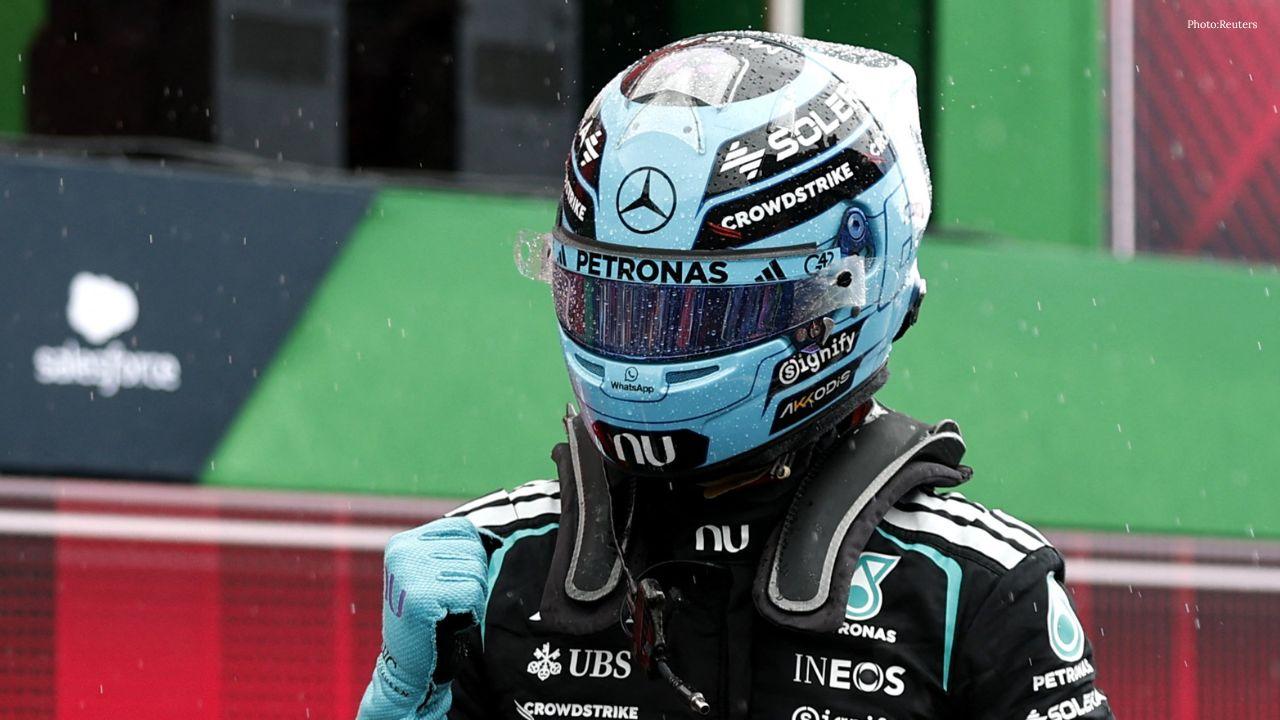



George Russell Wins Dutch GP Sprint, Boosts Mercedes Morale
George Russell wins the Dutch GP Sprint from pole as Mercedes teammate Kimi Antonelli extends his F1

Australia 50/3 After Bangladesh Bowled Out for 64 in Second Test
Australia reached 50/3 after Bangladesh were bowled out for 64 in the second Test, with Mitchell Sta

Jordan Burroughs Returns to Wrestling with 2028 Olympic Dream
Jordan Burroughs returns to wrestling with Real American Freestyle as the Olympic champion eyes a po

Lamborghini Catches Fire on Singapore's ECP, Causing Heavy Traffic
A Lamborghini caught fire on Singapore's ECP, causing heavy traffic and bus delays. No injuries were
Bangkok Airport Duty-Free Area Flooded by Pipe Burst
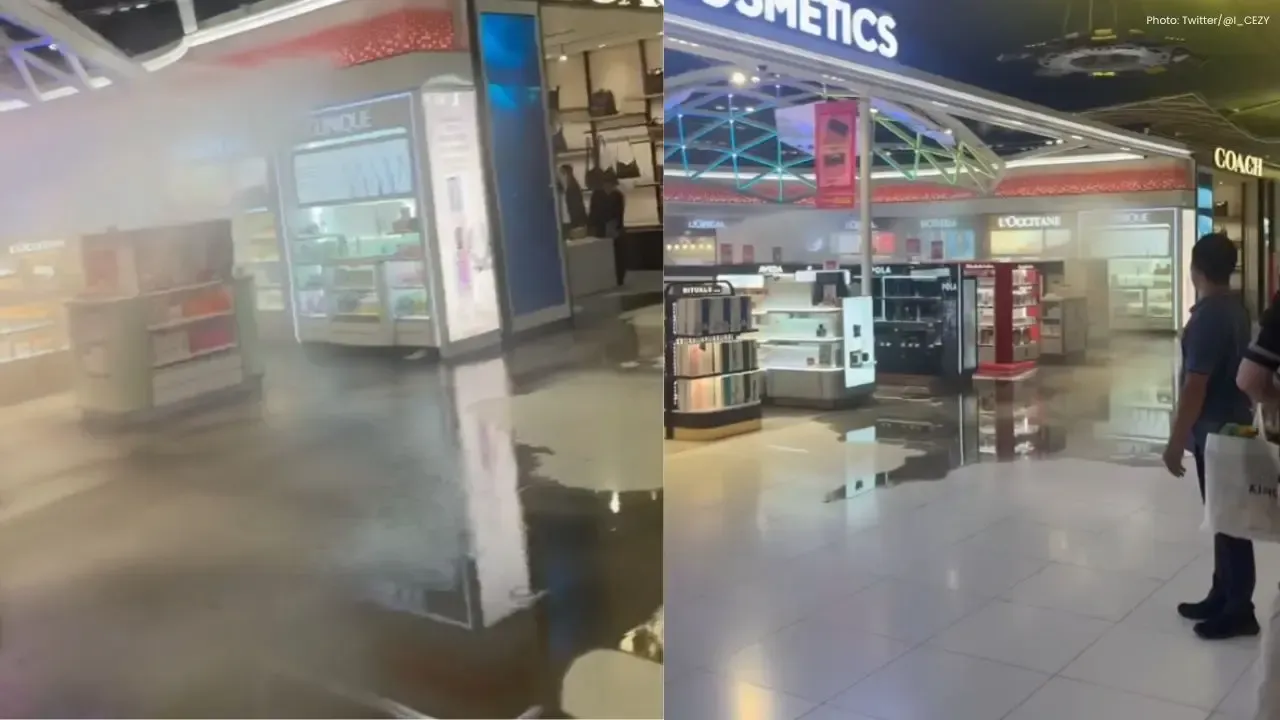
A burst water pipe flooded the duty-free shopping area at Bangkok's Suvarnabhumi Airport on July 16,
Nine Monks Killed in Thailand Pickup Truck Tragedy
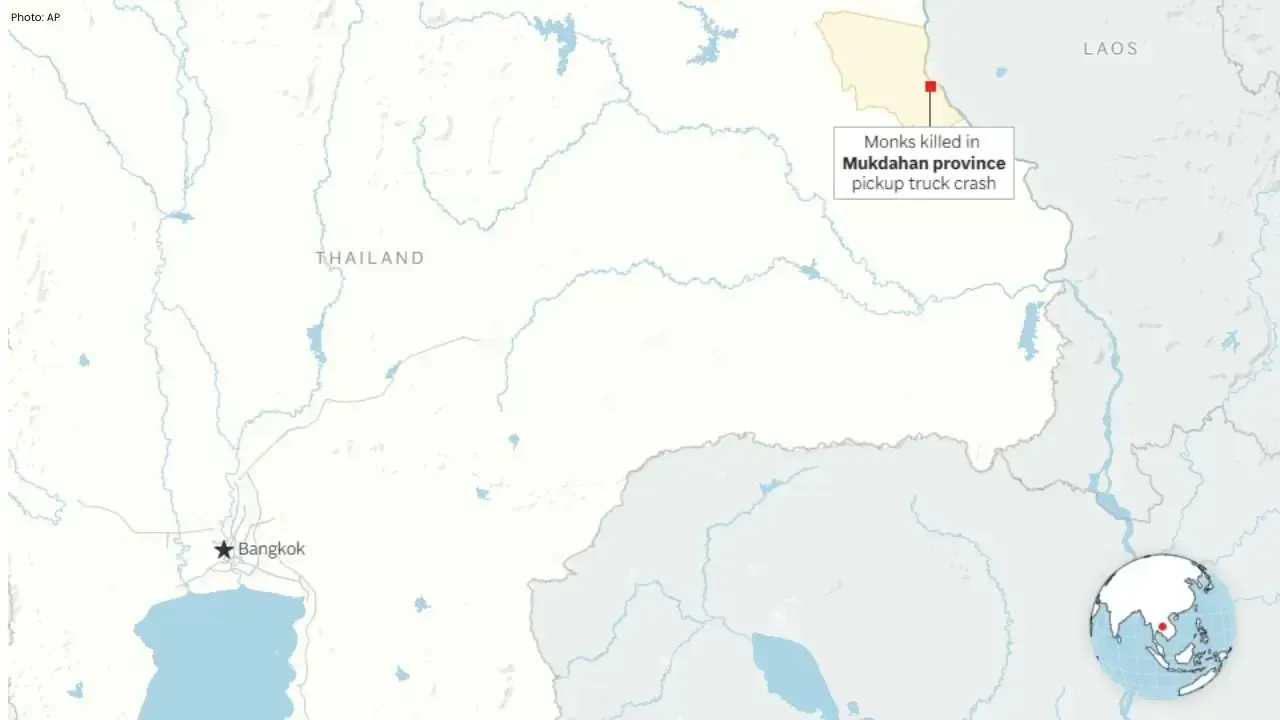
An 11-year-old boy driving a pickup truck crashed into monks during a pilgrimage in northeastern Tha