
You have not yet added any article to your bookmarks!
Join 10k+ people to get notified about new posts, news and tips.
Do not worry we don't spam!
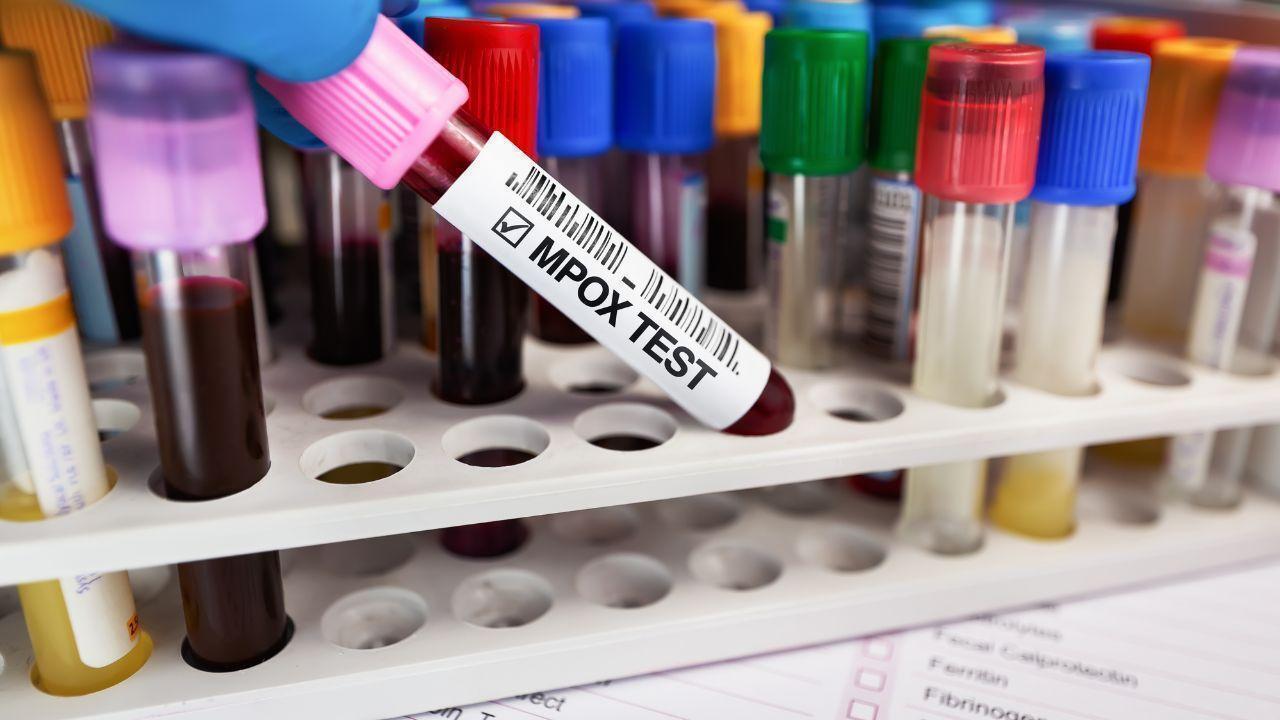
Post by : Rameen Ariff
Geneva: In a major announcement on Friday, the World Health Organization (WHO) declared that mpox, a viral infection that has caused concern worldwide, no longer qualifies as a global public health emergency. This decision marks a significant milestone in the fight against the disease, which has been monitored closely since it first sparked international attention last year.
Mpox, previously known as monkeypox, is a viral illness that spreads mainly through close personal contact. The disease is characterized by flu-like symptoms, including fever, chills, fatigue, headache, and muscle aches. In addition to these initial symptoms, infected individuals often develop a distinctive skin rash, which progresses to pus-filled lesions. These lesions can appear on different parts of the body, including the face, hands, and other exposed areas, and can be painful and unsightly.
The announcement by the WHO follows months of careful monitoring of the disease across multiple countries, particularly in Africa, where mpox is endemic in certain regions. Director-General Tedros Adhanom Ghebreyesus emphasized that the decision was based on sustained declines in reported cases. Countries such as the Democratic Republic of Congo, Burundi, Sierra Leone, and Uganda, which were previously among the hardest-hit regions, have seen a steady decrease in new infections.
The WHO’s Emergency Committee, a group of experts that meets every three months to review outbreaks and provide recommendations, played a crucial role in this decision. The committee examined the global situation, looking at trends in new cases, transmission patterns, and the effectiveness of public health interventions. After a detailed assessment, they advised that mpox no longer poses the level of international risk that would require the highest form of alert, known as a “public health emergency of international concern.”
This status, which WHO first declared in August of last year, is reserved for diseases that are serious, unusual, and capable of spreading across borders, requiring immediate international attention. The initial declaration came after mpox cases spread beyond the Democratic Republic of Congo, affecting neighboring countries and raising concerns among global health authorities. The emergency alert prompted rapid mobilization of resources, heightened surveillance, and international cooperation to control the outbreak.
Over the past year, countries affected by mpox have implemented various measures to control its spread. These measures included increased testing, contact tracing, public education campaigns, and vaccination programs in high-risk populations. Health authorities focused on preventing transmission through close contact, particularly in households and healthcare settings. The coordinated efforts of local governments, international agencies, and community organizations have contributed significantly to the reduction in cases observed today.
Tedros Adhanom Ghebreyesus highlighted that while the emergency status has been lifted, vigilance remains essential. “Even though mpox is no longer classified as a public health emergency of international concern, it is still a disease that requires attention,” he said. Health systems and communities are encouraged to continue monitoring for new cases, maintain public awareness, and respond quickly to any outbreaks that may occur.
The decline in cases is also attributed to global vaccination efforts. Vaccines originally developed for smallpox have been found to offer protection against mpox. Many countries have used these vaccines strategically to protect healthcare workers, close contacts of infected individuals, and other high-risk groups. The success of these vaccination campaigns, combined with improved awareness of preventive measures, has played a critical role in curbing the spread of the virus.
Mpox spreads primarily through direct skin-to-skin contact with an infected person. The virus can also spread through respiratory droplets during prolonged face-to-face contact, as well as through contaminated objects such as clothing, bedding, or surfaces. This mode of transmission made it particularly important for communities and healthcare facilities to adopt strict hygiene and isolation measures to prevent further spread.
Symptoms typically begin within 7 to 14 days after exposure to the virus, though in some cases, it may take up to three weeks for signs to appear. The initial phase often resembles a mild flu, with fever, headache, muscle aches, and fatigue. After this period, the distinctive rash develops, starting as flat or slightly raised red spots. These spots eventually fill with pus and may crust over before healing. The rash can be widespread or localized, depending on the severity of the infection.
While most cases of mpox are mild and resolve on their own within a few weeks, severe cases can occur, particularly among children, pregnant women, and individuals with weakened immune systems. Complications can include secondary infections, scarring, and, in rare instances, serious systemic illness. This makes early detection, medical care, and supportive treatment crucial for reducing the risk of serious outcomes.
The WHO’s decision to lift the emergency status does not mean that the virus has been eradicated. Tedros emphasized that mpox continues to exist in certain regions and could resurge if public health measures are relaxed too quickly. Ongoing surveillance, public education, and vaccination where necessary will remain important tools in preventing new outbreaks.
Global cooperation has been a key factor in controlling mpox. International organizations, governments, and health experts have worked together to share information, distribute vaccines, and provide technical support to affected countries. The WHO has coordinated these efforts, ensuring that resources are directed to areas with the greatest need and that lessons learned from one region are applied globally.
Public awareness has also improved significantly since the beginning of the outbreak. Health authorities have educated communities about the symptoms of mpox, how it spreads, and how to reduce the risk of infection. People have been encouraged to seek medical attention promptly if they experience symptoms or come into contact with someone infected. This proactive approach has helped limit transmission and reduce the overall number of cases.
Tedros also noted that the decision reflects the resilience and commitment of affected countries. Governments, healthcare workers, and communities have all played a role in reducing the impact of mpox through testing, treatment, vaccination, and education. The WHO continues to support these efforts, providing guidance and resources to maintain progress and prevent future outbreaks.
While the lifting of the emergency status is a positive development, experts caution that mpox remains a public health concern. Monitoring for new cases, continued vaccination in high-risk areas, and adherence to preventive measures will be essential to ensure that the virus does not regain a foothold. Health authorities are also focused on research to better understand mpox, improve vaccines, and develop effective treatments for severe cases.
the WHO’s announcement that mpox is no longer an international public health emergency marks a turning point in the global response to the virus. The decline in cases reflects months of dedicated work by health authorities, governments, and communities worldwide. Continued vigilance, vaccination, and public awareness will be key to ensuring that mpox remains under control and that future outbreaks are prevented.
The world’s response to mpox demonstrates the importance of global cooperation in managing infectious diseases. By sharing knowledge, resources, and strategies, countries can work together to reduce the spread of viruses, protect vulnerable populations, and strengthen public health systems for the future.










PM Modi Pays Tribute to Mahatma Gandhi, Urges People to Support Khadi
PM Modi pays tribute to Mahatma Gandhi on Gandhi Jayanti and urges citizens to support Khadi and the

Amazon Seeks to Offload $8 Billion in Nvidia Chips to Investors
Amazon plans to move $8 billion in Nvidia chips to investors, using a new financing model to strengt

Samsung Raises Galaxy S26 Prices as Memory Chip Costs Rise
Samsung raises Galaxy S26 prices in South Korea as rising memory chip costs put pressure on smartpho

Lewis Hamilton Calls Singapore Grand Prix One of F1's Toughest Races
Lewis Hamilton discusses the demanding Singapore Grand Prix and brings Plus44 and Almave to Singapor

Denmark's Pandora Opens World's Largest Jewellery Factory in Vietnam
Pandora opens its largest jewellery factory in Vietnam, expanding global production, strengthening s

Gautam Gambhir Questions Batting-Friendly Pitches After India's Record ODI Chase
Gautam Gambhir questions batting-friendly ODI pitches after India’s record chase, calling for a bett

