You have not yet added any article to your bookmarks!
Join 10k+ people to get notified about new posts, news and tips.
Do not worry we don't spam!
Post by : Rohit Dhiman
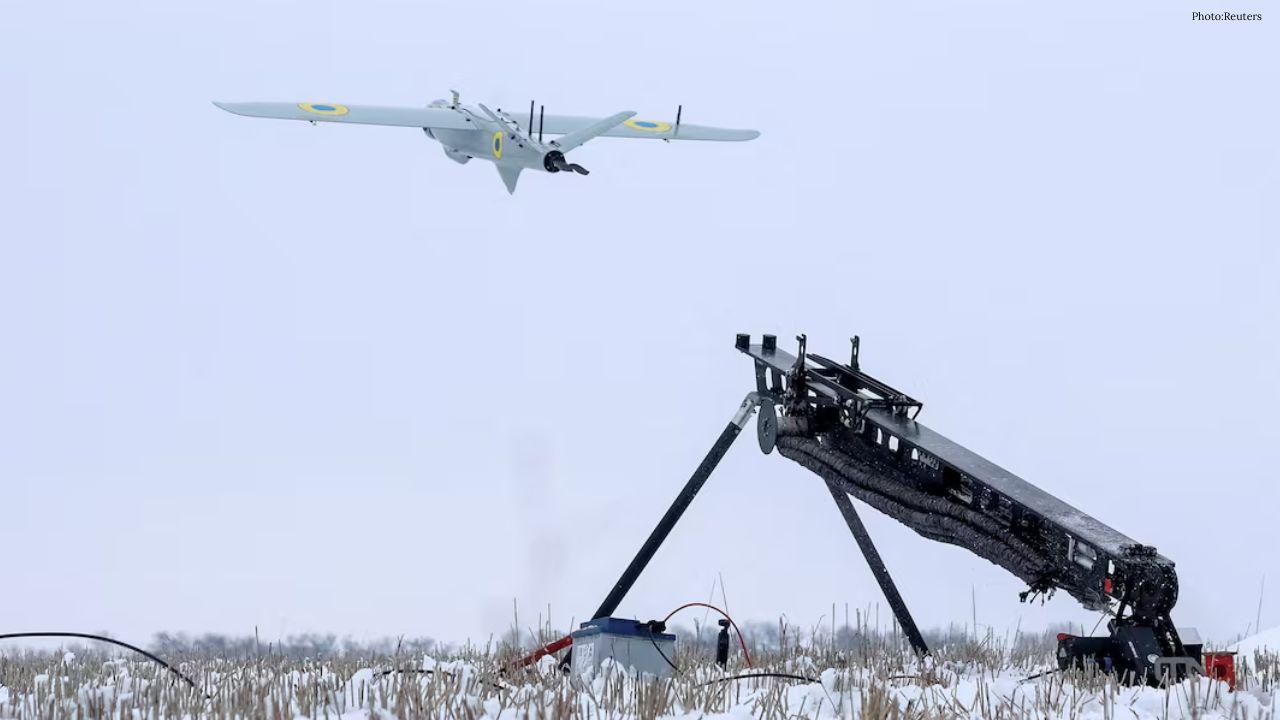
Ukraine's President Volodymyr Zelenskyy has issued a strong warning to airlines and aviation insurance companies over the growing risks of operating flights through Russian airspace. According to Zelenskyy, repeated Ukrainian drone operations deep inside Russia are making the country's skies increasingly dangerous for civilian aviation. In a video address on September 1, Zelenskyy said airlines that continue using Russian airspace and major airports should carefully consider the changing security situation. He argued that the continuing conflict is creating risks that cannot be ignored by airlines, insurers and other aviation-related businesses. Zelenskyy said Ukraine does not intend to target civilian aviation. However, he warned that the presence of drones over Russian territory creates a complicated environment for aircraft operating in or near areas affected by the war.
The warning comes as Ukraine drone strikes against targets inside Russia have become increasingly frequent. Ukrainian drones have reportedly targeted locations connected to Russia's oil and energy infrastructure, logistics facilities and other sites. Russia has also intensified its attacks on Ukrainian cities, including Kyiv, in recent weeks. The continuing exchange of missile and drone attacks has increased concerns about the possibility of military activity affecting civilian flight routes. A major concern for aviation experts is that drones may operate at different altitudes and in unexpected locations. This can make it difficult for civilian aircraft operators to assess risks, particularly when military forces are simultaneously using air-defence systems.
Russian airspace covers a huge geographical area and has traditionally provided important routes between Europe and Asia. Although many Western airlines stopped flying over Russia following the beginning of the full-scale war in Ukraine, several carriers from countries including China, Türkiye and Gulf nations continue to use routes across Russian territory. For airlines operating long-distance flights, using these routes can reduce travel time and fuel consumption. This gives carriers that can continue flying through Russian airspace a potential operational advantage compared with airlines that have to take longer alternative routes. However, increasing aviation safety concerns could put additional pressure on airlines and insurance companies to reconsider those routes.
Aviation risk advisory firm Osprey Flight Solutions has warned that most Ukrainian drone and missile attacks are expected to occur relatively close to the Russia-Ukraine border, but attacks deeper inside Russian territory are also likely to continue. The firm has highlighted the possibility of Ukrainian strikes occurring near major Russian cities, including Moscow and St Petersburg. It also warned that misidentification or mistakes could create additional dangers in areas connected to the conflict. Russia has extensive air-defence capabilities, including systems designed to detect and intercept aerial threats. However, the increasing number of drones operating over Russian territory creates a complicated environment in which civilian and military aviation risks can overlap.
Concerns about civilian aircraft operating in conflict zones have been heightened by previous aviation disasters. The 2014 Malaysia Airlines flight MH17 disaster remains one of the most serious examples of an aircraft being destroyed in a conflict environment. The aircraft was brought down while flying over eastern Ukraine, an area affected by fighting at the time. More recently, an Azerbaijan Airlines aircraft was involved in a deadly incident in 2024 after entering Russian airspace. Russian President Vladimir Putin later acknowledged that Russian missiles had detonated near the aircraft after Ukrainian drones entered the country's airspace. The incident resulted in the deaths of 38 people. These incidents have reinforced concerns about the risks faced by civilian aircraft when military operations and drone activity occur near commercial flight paths.
Read Also: Zverev Survives Sonego Scare in Five-Set US Open Thriller
Zelenskyy's latest comments could increase pressure on airlines, aviation regulators and insurers to reassess flight routes over Russia. Airlines must consider not only the possibility of direct attacks but also the risks created by air-defence operations, communication failures, emergency diversions and temporary airport closures. Insurance companies may also face difficult decisions when assessing the risks associated with aircraft operating in areas affected by the war. For passengers, the issue could eventually lead to changes in flight schedules or routes if individual airlines decide that the risks associated with Russian airspace are no longer acceptable.
Is Russian airspace safe for commercial flights?
The security situation remains complicated because of ongoing military operations and drone activity. Individual airlines and aviation authorities make their own decisions based on risk assessments.
Why are Ukrainian drones a concern for airlines?
Drones operating deep inside Russia can create risks for civilian aviation, particularly when military air-defence systems are activated.
Which airlines still use Russian airspace?
Some airlines from countries including China, Türkiye and Gulf states continue to use Russian routes, while many European and US carriers avoid the country's airspace.
What is Zelenskyy warning airlines about?
He is urging airlines and insurers to recognise the increasing risks associated with operating aircraft through Russian airspace amid continuing drone attacks.
The latest warning highlights how the Russia-Ukraine war is increasingly affecting international aviation. Changes to flight routes, airspace restrictions and security assessments can have consequences for airlines travelling between Europe, Asia and the Middle East. As drone warfare expands beyond traditional front-line areas, aviation authorities and commercial carriers may face greater challenges in maintaining safe and efficient international flight networks. The situation will likely remain closely watched by airlines, insurers, aviation regulators and passengers worldwide.





Zverev Survives Sonego Scare in Five-Set US Open Thriller
Alexander Zverev survives a huge US Open scare against Lorenzo Sonego, fighting back from two sets d

Heavy Rains Kill 175 as Floods Sweep Across Pakistan
Pakistan faces deadly floods as heavy monsoon rain kills 175 people, injures 500 and inundates Islam

Paredes Questions Argentina Future After Suspension and Messi Exit
Leandro Paredes questions his Argentina future after a 10-match suspension, while Lionel Messi's ret

Markets Slide as Middle East Tensions Push Oil and Yields Higher
Asian stocks fall as Middle East tensions lift oil prices and bond yields, raising inflation fears a

Swiatek Builds Confidence as Medvedev Fights to Rediscover His Form
Iga Swiatek enters the US Open with renewed confidence, while Daniil Medvedev aims to regain consist

Dollar Strengthens on Rate Hike Bets as Yen Falls Past 160
Dollar gains as rate hike expectations rise, while the yen falls past 160. Gulf tensions, oil prices