You have not yet added any article to your bookmarks!
Join 10k+ people to get notified about new posts, news and tips.
Do not worry we don't spam!
Post by : Saif Rahman
A surge in violence in the eastern region of the Democratic Republic of Congo has led to approximately 200,000 individuals fleeing their residences, as reported by the United Nations. This alarming situation arises mere days after former U.S. President Donald Trump convened leaders from Rwanda and Congo to unveil a peace accord aimed at ceasing prolonged hostilities.
Renewed Violence Following Peace Agreement
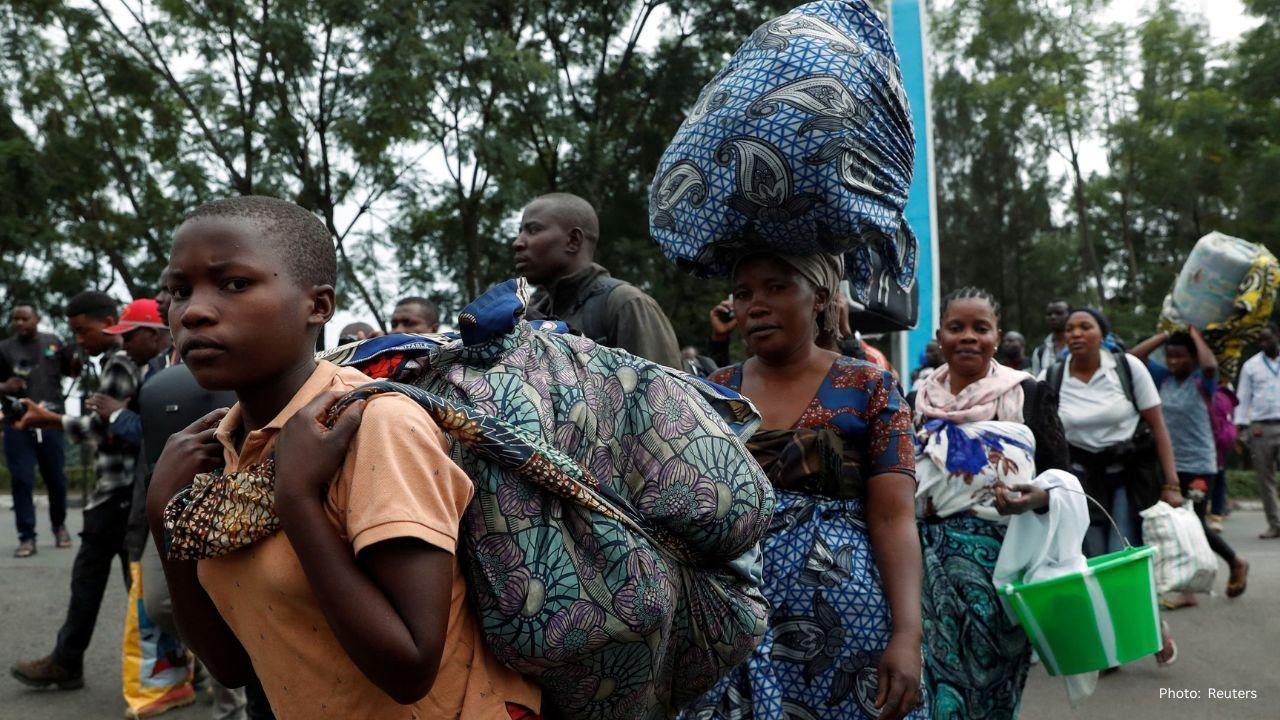
Following the official signing of the peace agreement in Washington last week, conflicts have notably intensified. The U.N. indicates that at least 74 civilians have lost their lives and over 80 have sustained injuries in recent days. Many families are now escaping with essential belongings as rebel forces approach populated regions.
The attacks are attributed to the M23 rebel faction, which the Congolese government and several international bodies assert is receiving substantial backing from Rwanda. While Rwanda refutes these claims, both the U.S. government and the U.N. argue they possess definitive evidence of Rwandan involvement.
M23 Rebels Move Toward Uvira
Local officials report that the M23 rebels are heading towards Uvira, a critical town near the Burundi border. They are currently engaged in combat against Congo’s army and local defense units called Wazalendo in various villages to the north.
On Monday, a sense of panic swept through Uvira after unconfirmed reports surfaced regarding the rebels' proximity, prompting residents to flee. While officials later assured that the situation had stabilized, anxiety remains palpable.
Further reports indicate that the rebels have taken control of Luvungi, a vital front-line area, with fierce confrontations now occurring near Sange and Kiliba, located along the main route to Uvira. Many residents had already fled the area prior to the rebels' advance.
International Community Expresses Concern
On Tuesday, the International Contact Group for the Great Lakes, which includes the U.S. and nine other nations, conveyed "profound concern" about the intensifying clashes. They cautioned that the rebel offensive could destabilize the entire region.
The group specifically highlighted the alarming use of attack drones and suicide drones by the M23 faction, posing a significant risk to civilian lives.
The U.S. State Department voiced its "deep concerns" and urged Rwanda to cease its support for M23 and assist in averting further escalation.
Trump's Peace Proclamation Under Scrutiny
This renewed violence follows closely behind Donald Trump's hosting of the Congolese and Rwandan presidents in Washington. During the December 4 ceremony, Trump asserted that the U.S.-backed peace initiative had effectively concluded a conflict lasting three decades, declaring, "Today we’re achieving what many have failed to accomplish."
Nevertheless, the recent uptick in violence and mass displacements cast doubt on the sustainability of the peace agreement.
Congo’s President Felix Tshisekedi informed lawmakers on Monday that Rwanda is breaching agreements made during the discussions in Washington.
A senior U.S. official indicated that Washington is closely monitoring the situation, with Trump expecting "immediate results" from both parties.
Rebel Leaders Deliver Messages
Corneille Nangaa, leader of the Alliance Fleuve Congo (AFC) coalition, which includes M23, urged the Congolese soldiers in Uvira not to withdraw, promising their liberation upon the rebels' arrival.
Meanwhile, M23 leader Bertrand Bisimwa reaffirmed the group's commitment to ongoing peace talks in Doha, stating, "There are no solutions beyond the negotiations," while emphasizing that counterattacks would persist.
Continuing Displacement Crisis
Prior to this latest outbreak of violence, more than 1.2 million people had already been displaced by the conflict in eastern Congo. The addition of over 200,000 newly displaced families places tremendous strain on local communities and humanitarian organizations.
Urgent Call for Ceasefire
The International Contact Group has called for an immediate cessation of hostilities and a return to the positions agreed upon earlier in July. They also demanded Rwanda withdraw its troops from eastern Congo and that the M23 cease all offensive actions.


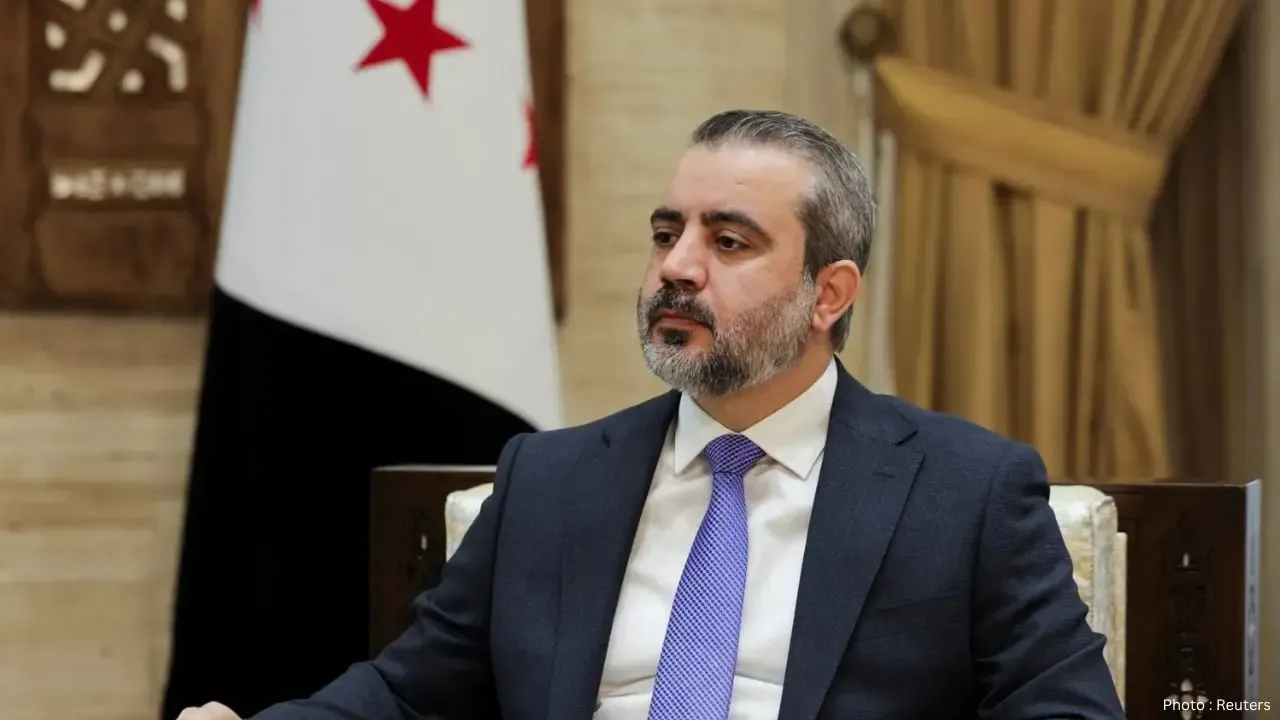

Josh Kerr and Jakob Ingebrigtsen Set for 1,500m Rivalry Rematch
Josh Kerr and Jakob Ingebrigtsen will renew their 1,500m rivalry at the Ultimate Championship in Bud

PSG Coach Luis Enrique Urges Players to Step Outside Comfort Zone
PSG coach Luis Enrique says players must leave their comfort zone and keep improving as the club tar

China’s Tiangong Sets New 400m Record at Robot Olympics
China’s Tiangong robot sets a new 400m record at the Robot Olympics, beating a South African robot i
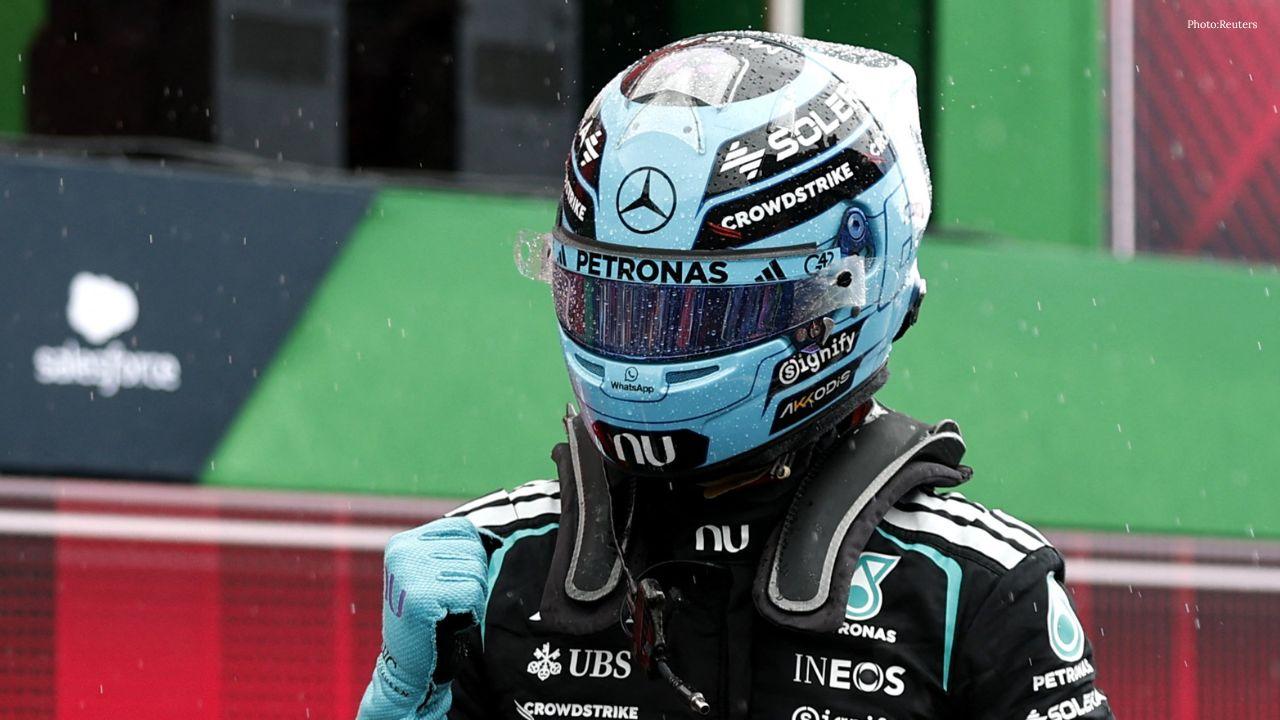
George Russell Wins Dutch GP Sprint, Boosts Mercedes Morale
George Russell wins the Dutch GP Sprint from pole as Mercedes teammate Kimi Antonelli extends his F1
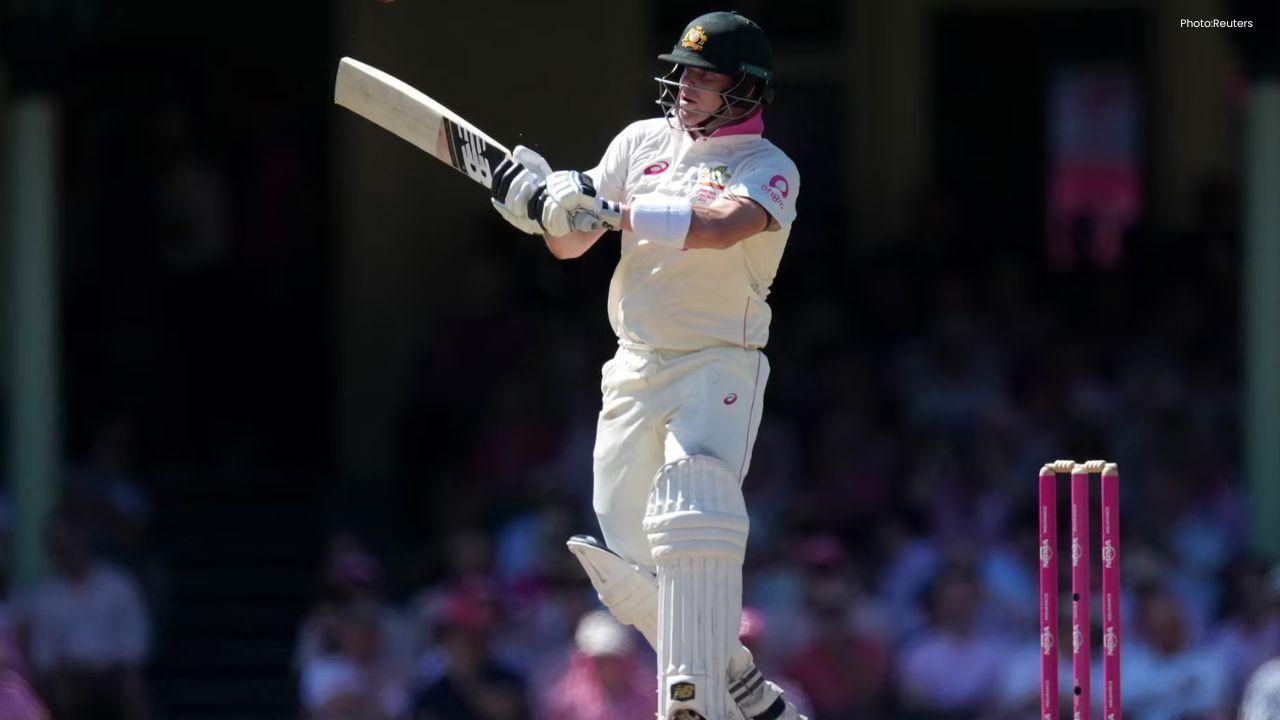
Australia 50/3 After Bangladesh Bowled Out for 64 in Second Test
Australia reached 50/3 after Bangladesh were bowled out for 64 in the second Test, with Mitchell Sta

Jordan Burroughs Returns to Wrestling with 2028 Olympic Dream
Jordan Burroughs returns to wrestling with Real American Freestyle as the Olympic champion eyes a po