You have not yet added any article to your bookmarks!
Join 10k+ people to get notified about new posts, news and tips.
Do not worry we don't spam!
Post by : Anis Farhan
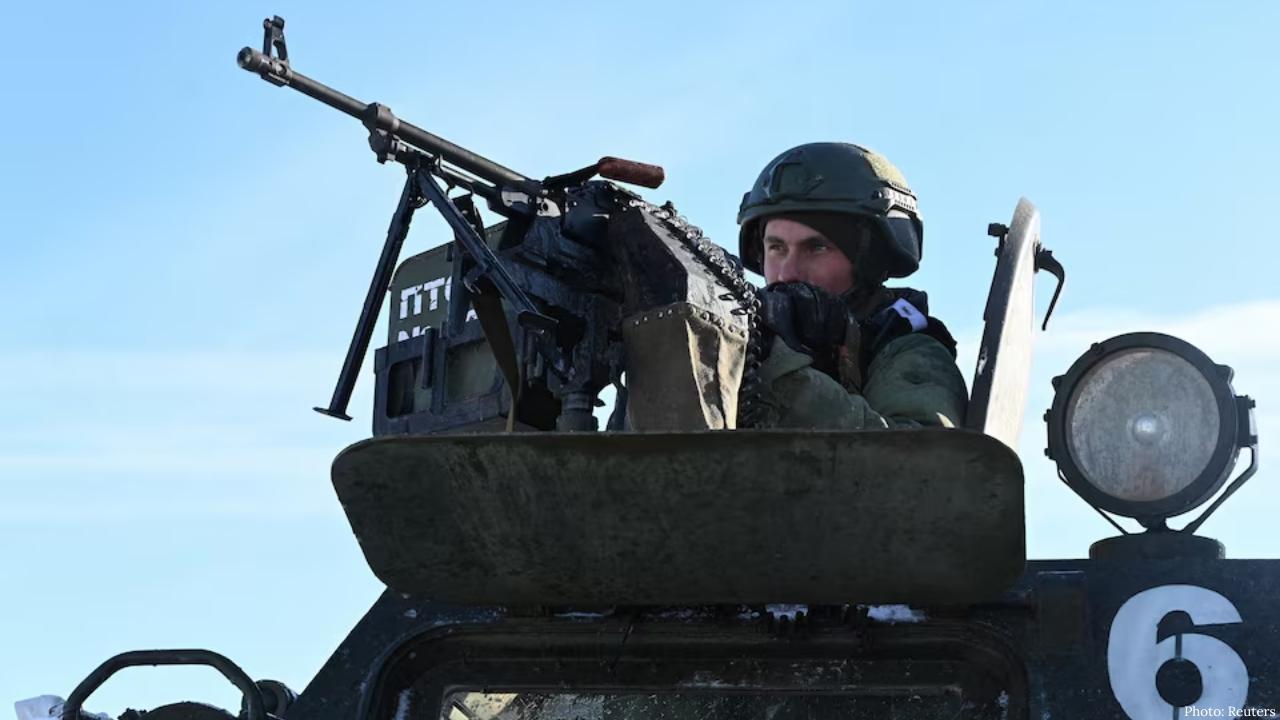
Estonia has issued a stark warning that Russia is undertaking a military buildup aimed at shifting the balance of power in Europe, officials said on Wednesday, highlighting ongoing tensions between Moscow and NATO countries and underscoring growing security concerns across Eastern Europe.
The Estonian government said new intelligence indicates Russia could be preparing to expand its military capabilities in ways that would increase its influence and operational reach, a development that comes amid broader geopolitical friction stemming from Russia’s actions in Ukraine and its strategic objectives across the region.
In a statement, Estonia’s defence ministry stressed that such a buildup — if realised — would have implications not only for the Baltics but for European security as a whole, prompting calls for greater NATO solidarity and investment in defence infrastructure.
Estonian officials did not detail specific units or equipment involved in the purported military buildup, but they stressed that Russia’s intentions appear aimed at enhancing its capacity to project power beyond its borders. The warning reflects longstanding concerns among NATO members regarding Moscow’s expanding defence posture.
Estonia’s proximity to Russia — sharing a land border with the Russian exclave of Kaliningrad — has historically made it one of the most forward-positioned NATO states vis-à-vis Russian military activity. Tallinn’s assessment adds to a series of alerts from Baltic governments and NATO officials about increased Russian troop movements and armament investments in recent years.
Defence analysts note that Russia’s ongoing military modernisation, including upgrades to missile forces, air defence systems and rapid reaction units, has been closely watched by NATO, which views such developments in the context of both deterrence and defence strategies.
In response to Estonia’s warning, officials from neighbouring Baltic states and NATO allies emphasised the importance of maintaining a robust collective defence posture. NATO’s enhanced forward presence in Eastern Europe, including rotating multinational battlegroups in Estonia, Latvia, Lithuania and Poland, is designed to deter potential aggression and reassure member states in the region.
Estonia’s defence minister reiterated that investments in national and allied defence capabilities are critical to ensuring stability and preventing any unilateral shifts in the regional balance of power. While the details of Moscow’s plans remain opaque, Tallinn’s message to allies was clear: remain vigilant and prepared.
European leaders have also pointed to the need for secure supply chains, enhanced intelligence cooperation and resilient infrastructure to buffer against potential threats, combining diplomatic engagement with military preparedness.
Russia has repeatedly framed its military activities as defensive and necessary to safeguard national interests, particularly in response to what it views as NATO’s eastward expansion. Russian officials have often cited the alliance’s presence near its borders as a justification for bolstering its own military capabilities.
However, Tallinn’s warning suggests that Russian strategic planning might involve elements that extend beyond simple defensive measures, raising questions about Moscow’s long-term objectives in Eastern Europe. Analysts say that Russia’s ambitions could include maintaining leverage over neighbouring states, projecting influence in strategic regions such as the Black Sea and Arctic, and signalling strength to both domestic and international audiences.
Debate continues among defence experts about how far Russia’s military buildup is intended to reach and what strategic goals it ultimately serves. Some argue that increased capabilities might serve as a bargaining tool in negotiations with Western powers, while others warn that a greater emphasis on power projection increases the risk of miscalculation and confrontation.
Estonia’s assessment comes at a moment of sustained uncertainty on the continent, with Russia’s ongoing conflict in Ukraine and periodic flare-ups along various borders continuing to test European security frameworks.
European Union and NATO leaders have reiterated commitments to collective defence under Article 5 of the NATO treaty, which holds that an armed attack against one member is considered an attack against all. Enhanced military readiness, joint training exercises and intelligence sharing have become central elements of allied strategy.
Moreover, defence spending among NATO members has generally increased in recent years, in part due to concerns about regional stability and the need to field capable forces that can respond to a range of contingencies, from cyberattacks to conventional military threats.
Estonia’s warning underscores the ongoing challenge of deterring potential aggression while seeking diplomatic avenues to reduce tensions. The alliance’s leadership and member states have maintained that a strong defensive posture is crucial to preserving peace and preventing escalation.
As intelligence continues to shape policy decisions, Estonia’s cautionary message is likely to influence deliberations among EU and NATO partners. Further assessments from allied intelligence agencies will be watched closely, as will any public statements from Moscow in response to the claims of military buildup.
For now, Tallinn’s emphasis on readiness and cooperation signals that NATO’s eastern flank is preparing for a range of scenarios — from strategic competition to potential crisis situations. The coming months could see increased diplomatic engagement designed to clarify Russia’s intentions while reinforcing defensive commitments among allied nations.
Disclaimer:
This article is based on reporting from Reuters and reflects developments as of the time of writing. The geopolitical landscape may evolve, and further assessments could provide additional insight into Russia’s military activities and intentions.





George Russell Wins Dutch GP Sprint, Boosts Mercedes Morale
George Russell wins the Dutch GP Sprint from pole as Mercedes teammate Kimi Antonelli extends his F1

Australia 50/3 After Bangladesh Bowled Out for 64 in Second Test
Australia reached 50/3 after Bangladesh were bowled out for 64 in the second Test, with Mitchell Sta

Jordan Burroughs Returns to Wrestling with 2028 Olympic Dream
Jordan Burroughs returns to wrestling with Real American Freestyle as the Olympic champion eyes a po

Lamborghini Catches Fire on Singapore's ECP, Causing Heavy Traffic
A Lamborghini caught fire on Singapore's ECP, causing heavy traffic and bus delays. No injuries were

Bangkok Airport Duty-Free Area Flooded by Pipe Burst
A burst water pipe flooded the duty-free shopping area at Bangkok's Suvarnabhumi Airport on July 16,
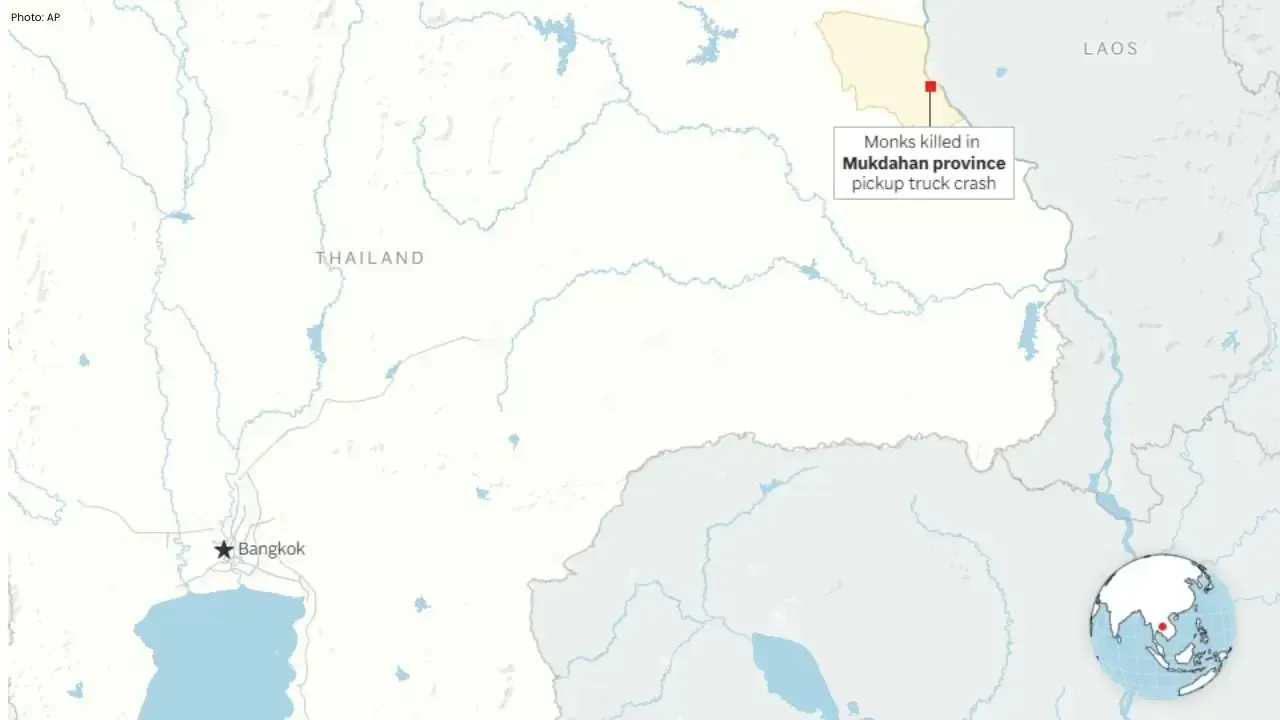
Nine Monks Killed in Thailand Pickup Truck Tragedy
An 11-year-old boy driving a pickup truck crashed into monks during a pilgrimage in northeastern Tha