
You have not yet added any article to your bookmarks!
Join 10k+ people to get notified about new posts, news and tips.
Do not worry we don't spam!
Post by : Mikael Ariff
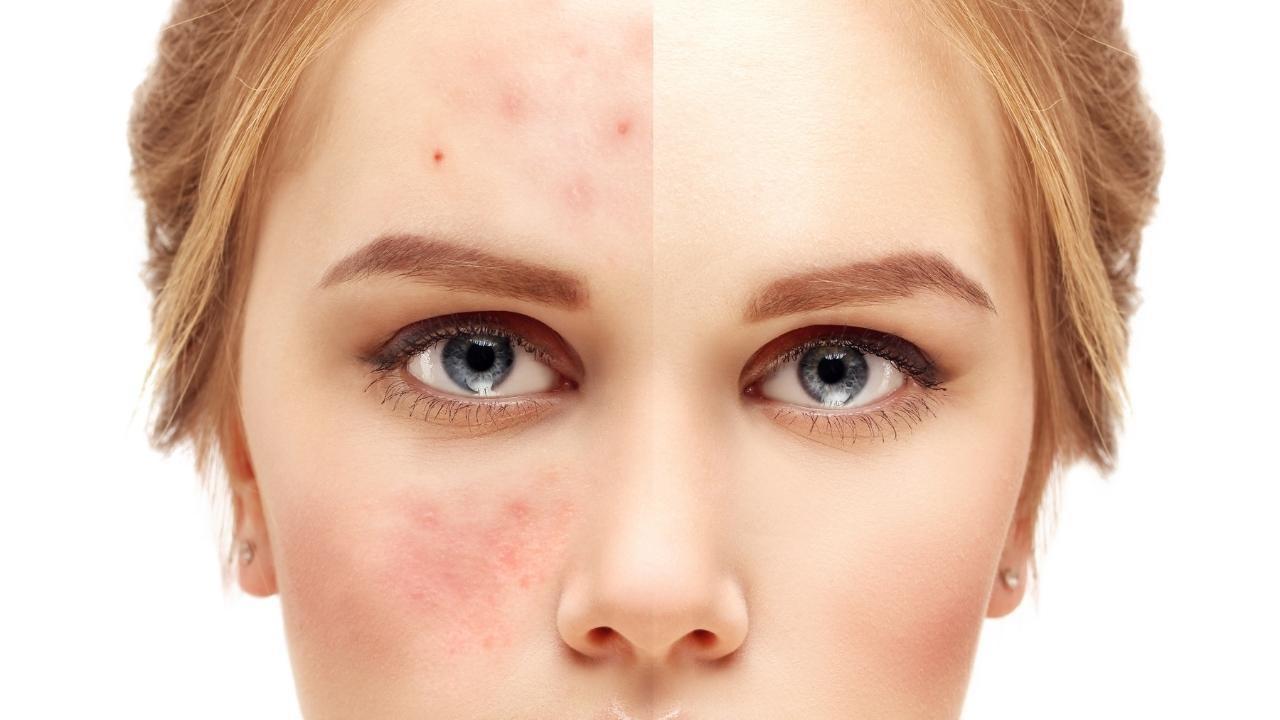
Is your skin feeling unexpectedly dry, tight, or red, even with your usual products? This could indicate a compromised skin barrier.
In the realm of skincare, serums and treatments often steal the spotlight, but the secret to achieving soft, healthy skin lies in the condition of your skin barrier. This essential barrier protects against environmental aggressors while ensuring moisture retention. Once it becomes weakened, irritation and dryness set in.
The silver lining? You don’t need pricey salon treatments to remedy this. By harnessing just three straightforward steps—calming, hydrating, and protecting—you can rejuvenate your skin barrier and unveil your skin's natural luminosity.
Let's explore the factors that contribute to damage, the signs that signal your skin needs attention, and how to naturally fortify your skin.
Your skin barrier, known as the stratum corneum, constitutes the outermost layer of your skin. It comprises natural oils, fatty acids, and skin cells that together maintain hydration and provide protection.
A robust barrier yields smooth, supple skin, while a compromised layer fails to retain moisture and repel irritants, leading to noticeable dryness, redness, and blemishes.
Common factors contributing to barrier damage:
Overuse of exfoliating or chemical treatments
Incorporating strong acids or retinol without moderation
Long, hot showers that deplete natural oils
Environmental pollution, sun exposure, and dehydration
Lack of sleep and high stress levels
Experiencing stinging after applying a product or noticing rough patches? That's a sign your barrier needs attention.
Now, let's delve into how to effectively heal your skin.
Goal: Calm your skin and allow it to recover.
The initial step to healing is to streamline your skincare routine. Overloading your skin with products when the barrier is weak can exacerbate problems.
Actions to take:
Ditch potent ingredients like retinol and acids (AHA/BHA) for at least a week.
Select a gentle, fragrance-free cleanser infused with hydration from aloe vera, oat extract, or glycerin.
Skip scrubs or harsh exfoliators—your skin needs rest.
Rinse your face with lukewarm water, avoiding hot water which strips away essential oils.
Pro Tip:
For instant relief, place a cool compress or a cotton pad soaked in rose water on irritated areas.
This initial step helps your skin settle and prepares it for repair.
Goal: Restore moisture and fortify your skin’s natural defenses.
Once your skin feels less irritated, it’s crucial to provide it with hydration. This phase is akin to quenching your skin's thirst after being sun-exposed.
Recommended actions:
Use a soothing hydrating mist or toner including hyaluronic acid or rose water.
Follow up with a barrier-repair serum or moisturizer enriched with ceramides, niacinamide, or panthenol (vitamin B5).
Conclude with a creamy yet lightweight moisturizer–look for key ingredients like squalane or shea butter for sealing moisture.
Top ingredients to consider:
Ceramides: Essential for rebuilding the skin’s protective barrier.
Niacinamide (Vitamin B3): Known for its soothing and strengthening properties.
Panthenol (Vitamin B5): Excellent for hydration and minimizing inflammation.
Squalane: Effective in preventing moisture loss while ensuring skin softness.
Pro Tip:
Applying moisturizer to damp skin enhances hydration retention.
In just a few days, you should see improvements—smoother, less itchy skin that feels well-balanced.
Goal: Safeguard your barrier and avoid future damage.
As healing occurs, it's critical to protect your skin from further harm. Consistency is key during this stage.
Steps to follow:
Always wear sunscreen. UV exposure is a primary cause of skin barrier degradation. Use a broad-spectrum SPF of 30 or higher daily, regardless of indoor or outdoor activities.
Be gentle while removing makeup—opt for micellar water or cleansing balms instead of alcohol-laden removers.
Maintain hydration by drinking ample water throughout the day.
Incorporate omega-3-rich items like walnuts, flaxseeds, and fish into your diet for internal nourishment.
Ensure you’re getting sufficient sleep; skin rejuvenates overnight.
Pro Tip:
Once you achieve normalcy, gradually reintroduce actives like vitamin C or mild exfoliants—one at a time.
After a week of this straightforward regime, you’ll notice positive changes:
More supple, plumper skin texture
Decreased redness and burning sensations
Smoother, less flaky patches
A natural, healthy glow returning to your complexion
Makeup applying smoothly without irritation
Once your barrier is healthy, even basic skincare becomes more effective.
Limit facial cleansing to twice daily—over-washing can compromise the barrier.
Use a humidifier in arid or air-conditioned environments.
Avoid introducing multiple new products simultaneously.
Focus on a well-rounded diet abundant in fruits, veggies, and healthy fats.
Shield your skin against extreme weather—moisturize more in winter and prioritize sunscreen year-round.
Radiant, healthy skin isn’t about a multitude of products; it’s centered on care and balance. Your skin barrier is fundamental. A strong barrier leads to calm, soft, and naturally radiant skin.
If dryness, tightness, or irritation plague your complexion, take a step back from your usual regimen and engage with these three core steps: soothe, hydrate, and protect.
Within days, expect a transformation—your skin will feel more comfortable, appear brighter, and exude natural radiance. Beauty stems not from the plethora of products used, but from the gentle care provided.
This article is for informational purposes only and does not replace professional dermatological advice. Individual results may vary based on skin types and conditions. Always conduct patch tests before introducing new products. For persistent issues, consult a qualified dermatologist prior to altering your skincare routine.










Spain's Diego Poncelet Sets Skateboarding World Speed Record
Spain's Diego Poncelet reaches 151.83 km/h in a record-breaking downhill skateboard run in Canada, s

Hyundai Recalls 94,622 US Vehicles Over Potential Fire Risk
Hyundai recalls 94,622 US vehicles over overheating seat motors. Check affected Genesis models, fire

Nvidia Pledges $250 Million for UK AI Safety Research
Nvidia will provide $250 million in computing resources over five years to support AI safety researc

Jacob Bethell Returns as England Name Squads for Australia Tour
England name ODI and T20 squads for the Australia tour, with Jacob Bethell returning from injury and

Beauden Barrett Opens Up About Mental Struggles During All Blacks Exile
Beauden Barrett discusses his confidence struggles after missing six tests, his return against Austr

IMF Says AI Investment Supports Global Growth Despite Energy Shock
IMF says AI investment is supporting global growth near 3%, with Asian economies benefiting from ris

