
You have not yet added any article to your bookmarks!
Join 10k+ people to get notified about new posts, news and tips.
Do not worry we don't spam!
Post by : Meena Ariff
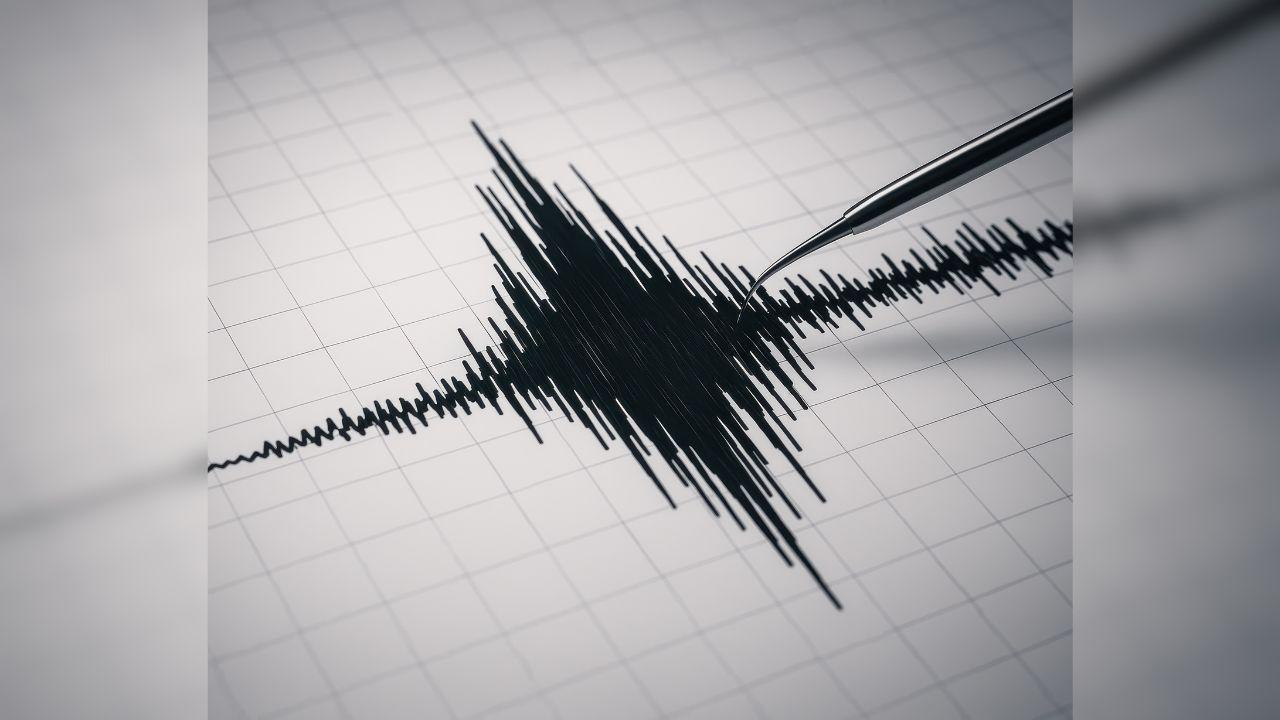
A strong earthquake with a magnitude of 6.3 shook the eastern Indonesian region of Papua on Tuesday evening. According to the United States Geological Survey (USGS), the quake happened at around 5:24 pm local time (0824 GMT). The epicenter was located roughly 193 kilometers northwest of Abepura, a town in Papua.
At first, the USGS reported the earthquake as a magnitude 6.5, but later they revised it down to 6.3. The Pacific Tsunami Warning Center quickly confirmed there was no threat of a tsunami following the quake, which brought some relief to the residents and authorities.
So far, there have been no immediate reports of casualties or damage from this earthquake. Emergency services and local officials are closely monitoring the situation to ensure public safety and provide any necessary aid.
Indonesia’s Place on the “Ring of Fire”
Indonesia is part of the Pacific “Ring of Fire,” a horseshoe-shaped area known for its high levels of seismic and volcanic activity. This zone stretches from Japan, through Southeast Asia, including Indonesia, and across the Pacific Ocean. The frequent movement of tectonic plates in this region often causes earthquakes, volcanic eruptions, and tsunamis.
Because of its location, Indonesia experiences many earthquakes every year, ranging from minor tremors to powerful, destructive quakes.
Past Deadly Earthquakes in Indonesia
Indonesia’s history shows how dangerous these natural events can be. For example:
In January 2021, a 6.2 magnitude earthquake struck the island of Sulawesi. This quake killed over 100 people and left thousands without homes.
In 2018, a very strong 7.5 magnitude earthquake struck the city of Palu in Sulawesi, followed by a tsunami. This disaster caused more than 2,200 deaths and widespread destruction.
One of the deadliest natural disasters in recent history was the 2004 earthquake in Aceh province on the island of Sumatra. This quake measured a massive 9.1 in magnitude and triggered a deadly tsunami. The event claimed over 170,000 lives in Indonesia alone and affected many countries around the Indian Ocean.
Preparedness and Response
Indonesia continues to improve its disaster preparedness and early warning systems. Agencies like the USGS and the Pacific Tsunami Warning Center work closely with local authorities to monitor seismic activity and issue timely alerts to protect lives.
Citizens are also encouraged to be aware of safety procedures during earthquakes and tsunamis, such as moving to higher ground in case of tsunami warnings and securing heavy objects indoors.
The recent earthquake in Papua, although strong, did not cause a tsunami, and no damage has been reported yet. Residents remain alert and cautious as authorities continue to assess the situation.










APEC Members Emphasise Safe and Responsible Use of Artificial Intelligence
APEC members discuss responsible AI use, digital innovation and data governance as China and the US

Union of European Clubs Challenge UEFA and EFC Over EU Competition Rules
UEC files an EU competition complaint against UEFA and EFC, challenging club representation, governa

Mohammed Shami Retires From Test Cricket, Eyes White-Ball Career
Mohammed Shami retires from Test cricket after 13 years, with 229 wickets. He will continue playing

Singapore Warns Users About Privacy and Security Risks of AI Agents
Singapore warns users about AI agent security risks, data privacy, online scams and unauthorised acc

Chris Lynn Completes One-Month Ban After Positive Cocaine Test
Australian cricketer Chris Lynn completes a one-month ban after a positive cocaine test during the T

Djokovic Eyes Strong Season Finish as Health Improves Ahead of Paris Masters
Novak Djokovic reports improved health and performance as he targets a strong Paris Masters finish a