
You have not yet added any article to your bookmarks!
Join 10k+ people to get notified about new posts, news and tips.
Do not worry we don't spam!
Post by : Meena Ariff
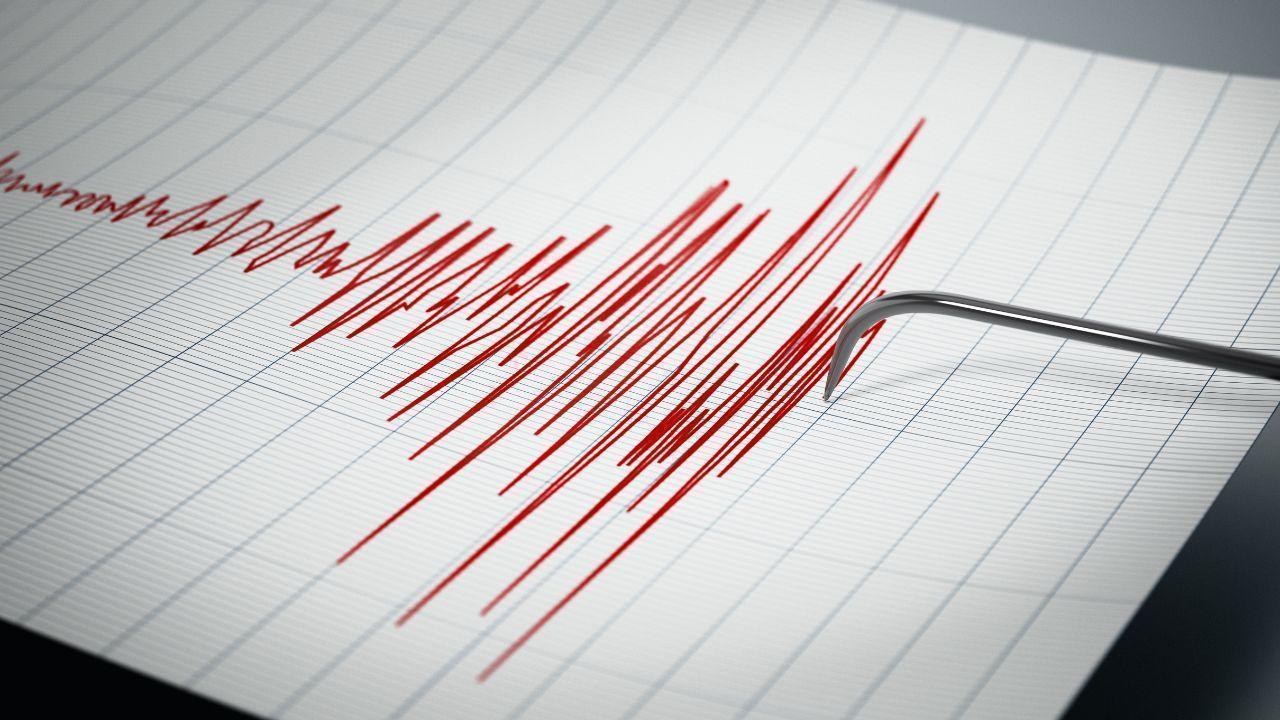
On Monday morning, a powerful earthquake shook the Tanimbar Islands in southeastern Indonesia. The earthquake had a strong magnitude of 6.8 on the Richter scale. It happened at a shallow depth of 10 kilometers below the Earth’s surface. Scientists say that when an earthquake is shallow, its shaking is felt more strongly by people on land.
Where are the Tanimbar Islands?
The Tanimbar Islands are located in Maluku province, a part of eastern Indonesia. This area is known for frequent earthquakes because it lies on the “Ring of Fire,” which is a zone in the Pacific Ocean where many volcanoes and earthquakes happen due to the movement of tectonic plates.
What Caused the Earthquake?
Earthquakes usually occur when tectonic plates under the Earth’s surface shift or collide. Indonesia experiences many such earthquakes every year. In this case, the quake happened because of the movement between the Indo-Australian Plate and the Eurasian Plate.
No Immediate Reports of Damage
So far, no official reports of damage or injuries have come from the area. Local authorities are still checking villages and towns near the epicenter to make sure everyone is safe. Sometimes, damage reports take time to reach the central offices, especially from islands with fewer communication facilities.
People Felt The Shaking
People living in the Tanimbar Islands shared that they felt strong shaking for a few seconds. Some ran out of their houses in fear. One resident said, “The ground shook under my feet. We held each other and ran out to an open place.”
Schools and offices closed for some hours while safety checks were carried out. However, later in the day, normal activities resumed after officials confirmed there was no immediate threat of a tsunami and no major damage was reported.
No Tsunami Warning Issued
The Indonesian Meteorology, Climatology and Geophysics Agency (BMKG) confirmed that the earthquake did not cause any tsunami threat. Usually, undersea earthquakes with large magnitudes can lead to tsunamis, but this time, experts said the shaking was not enough to trigger such waves.
Indonesia’s History of Earthquakes
Indonesia is no stranger to strong earthquakes. In 2004, a massive earthquake of 9.1 magnitude near Sumatra triggered a deadly tsunami that killed over 200,000 people in many countries around the Indian Ocean.
Because of such past experiences, people in Indonesia remain alert whenever there is an earthquake. The government has placed early warning systems in coastal areas to alert people about tsunamis.
Emergency Teams on Alert
After Monday’s quake, emergency response teams were put on standby. Health centers, police, and army units were asked to be ready in case there was any need for help in villages.
Disaster management officials said, “We are thankful there is no major damage or injury so far. But we will continue to monitor the situation and ensure everyone is safe.”
Advice to Residents
Authorities advised residents to remain calm but alert. They also asked people to check their homes for any cracks or structural damage and to stay away from buildings that looked weak or damaged.
Why Earthquake Preparedness is Important
The government has been working on teaching people how to prepare for earthquakes. Schools conduct earthquake drills, and families are told to keep emergency kits ready, which include water, dry food, a flashlight, and first aid.
Experts say being prepared saves lives. People are told to move to open grounds during quakes and stay away from trees, power lines, or tall buildings that might fall.
What Happens Next
Officials will continue monitoring aftershocks, which are smaller earthquakes that happen after a major earthquake. Sometimes, aftershocks can be strong and cause damage if buildings are already weakened by the first quake.
Monday’s earthquake was a reminder of Indonesia’s vulnerability to natural disasters. While no damage or casualties have been reported yet, people remain alert and thankful for their safety. The government and disaster teams continue to check affected areas to ensure that life returns to normal quickly.










PM Modi Pays Tribute to Mahatma Gandhi, Urges People to Support Khadi
PM Modi pays tribute to Mahatma Gandhi on Gandhi Jayanti and urges citizens to support Khadi and the

Amazon Seeks to Offload $8 Billion in Nvidia Chips to Investors
Amazon plans to move $8 billion in Nvidia chips to investors, using a new financing model to strengt

Samsung Raises Galaxy S26 Prices as Memory Chip Costs Rise
Samsung raises Galaxy S26 prices in South Korea as rising memory chip costs put pressure on smartpho

Lewis Hamilton Calls Singapore Grand Prix One of F1's Toughest Races
Lewis Hamilton discusses the demanding Singapore Grand Prix and brings Plus44 and Almave to Singapor

Denmark's Pandora Opens World's Largest Jewellery Factory in Vietnam
Pandora opens its largest jewellery factory in Vietnam, expanding global production, strengthening s

Gautam Gambhir Questions Batting-Friendly Pitches After India's Record ODI Chase
Gautam Gambhir questions batting-friendly ODI pitches after India’s record chase, calling for a bett

