
You have not yet added any article to your bookmarks!
Join 10k+ people to get notified about new posts, news and tips.
Do not worry we don't spam!

Post by : Jyoti Gupta
Photo:linkedin
Suzhou, China – A Chinese speech tech company that began as a student project in Cambridge is now making waves in China’s booming artificial intelligence (AI) industry.
In 2007, PhD student Yu Kai launched a start-up with a classmate to help foreigners learn Chinese using speech recognition technology. Just a year later, the team moved back to China, choosing Suzhou over big tech cities like Beijing or Shanghai.
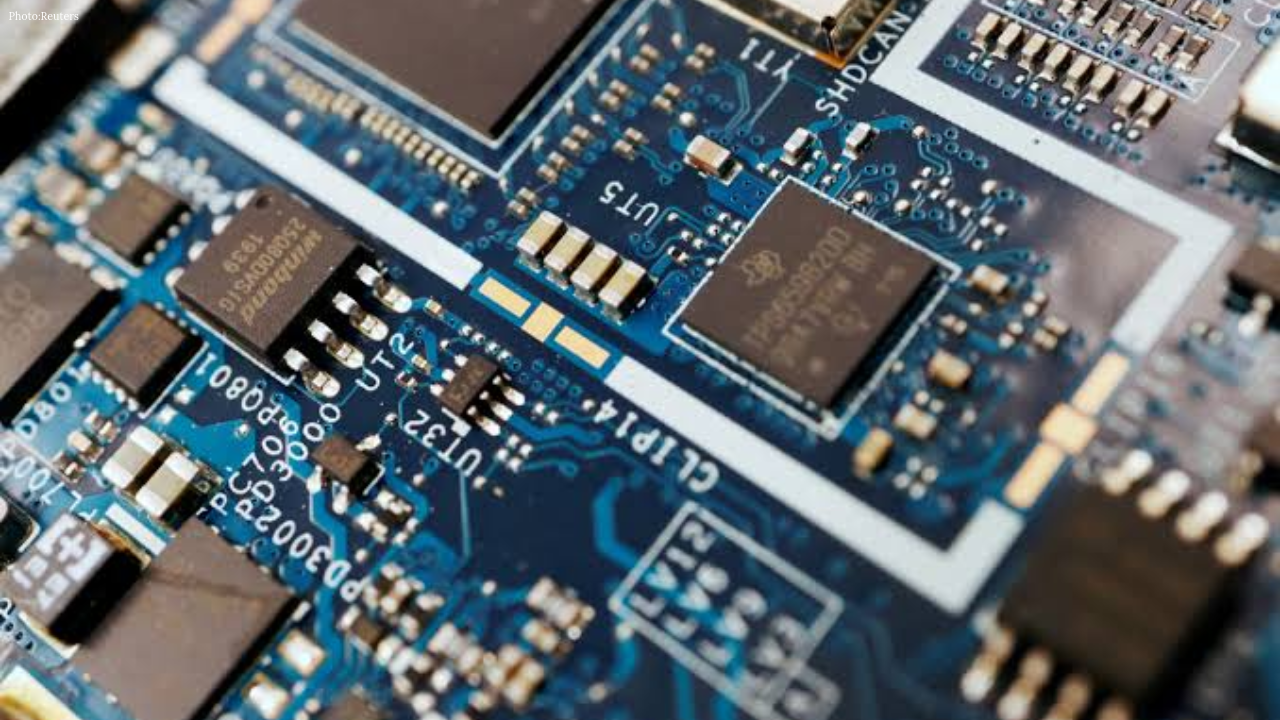
That move paid off. Their company, AI Speech, is now one of the leading players in conversational AI. The firm’s technology is used by top brands like Mercedes-Benz, BYD, Midea, and Haier. It also makes AI chips and smart office devices like voice-controlled microphones and speakers.
AI Speech has raised hundreds of millions of dollars in investment and is now officially listed as an AI “unicorn.”
Yu says China’s long-term planning and support for tech companies helped AI Speech grow. “China’s five-year development plans give stability and strong support, even if the policy isn’t directly about us,” he said. For example, China’s push for smart electric vehicles helped AI Speech, since its tech is used in those cars.
Suzhou city also played a big role. The local government met Yu while promoting investment in Cambridge, and later convinced his team to set up Suzhou Industrial Park — a special tech zone built with support from Singapore.
Compared to Beijing or Shanghai, Suzhou offered lower costs, better planning, and strong government support. In 2017, Suzhou became the first national development zone to make AI a top focus. By 2019, the city released its own plan to become a major AI hub.
Suzhou also offers cash support to fresh graduates who take jobs in key industries. New PhD holders can get up to 120,000 yuan as a bonus and 30,000 yuan per year as a job subsidy.
While companies don’t get direct subsidies, AI Speech works on government-backed research projects with universities. These projects bring funding and help turn new ideas into real products. “Now universities and companies work together more closely than before,” said Fan Shuai, the company’s R&D director.







APEC Members Emphasise Safe and Responsible Use of Artificial Intelligence
APEC members discuss responsible AI use, digital innovation and data governance as China and the US

Union of European Clubs Challenge UEFA and EFC Over EU Competition Rules
UEC files an EU competition complaint against UEFA and EFC, challenging club representation, governa

Mohammed Shami Retires From Test Cricket, Eyes White-Ball Career
Mohammed Shami retires from Test cricket after 13 years, with 229 wickets. He will continue playing

Singapore Warns Users About Privacy and Security Risks of AI Agents
Singapore warns users about AI agent security risks, data privacy, online scams and unauthorised acc

Chris Lynn Completes One-Month Ban After Positive Cocaine Test
Australian cricketer Chris Lynn completes a one-month ban after a positive cocaine test during the T

Djokovic Eyes Strong Season Finish as Health Improves Ahead of Paris Masters
Novak Djokovic reports improved health and performance as he targets a strong Paris Masters finish a