You have not yet added any article to your bookmarks!
Join 10k+ people to get notified about new posts, news and tips.
Do not worry we don't spam!
Post by : Saif Rahman
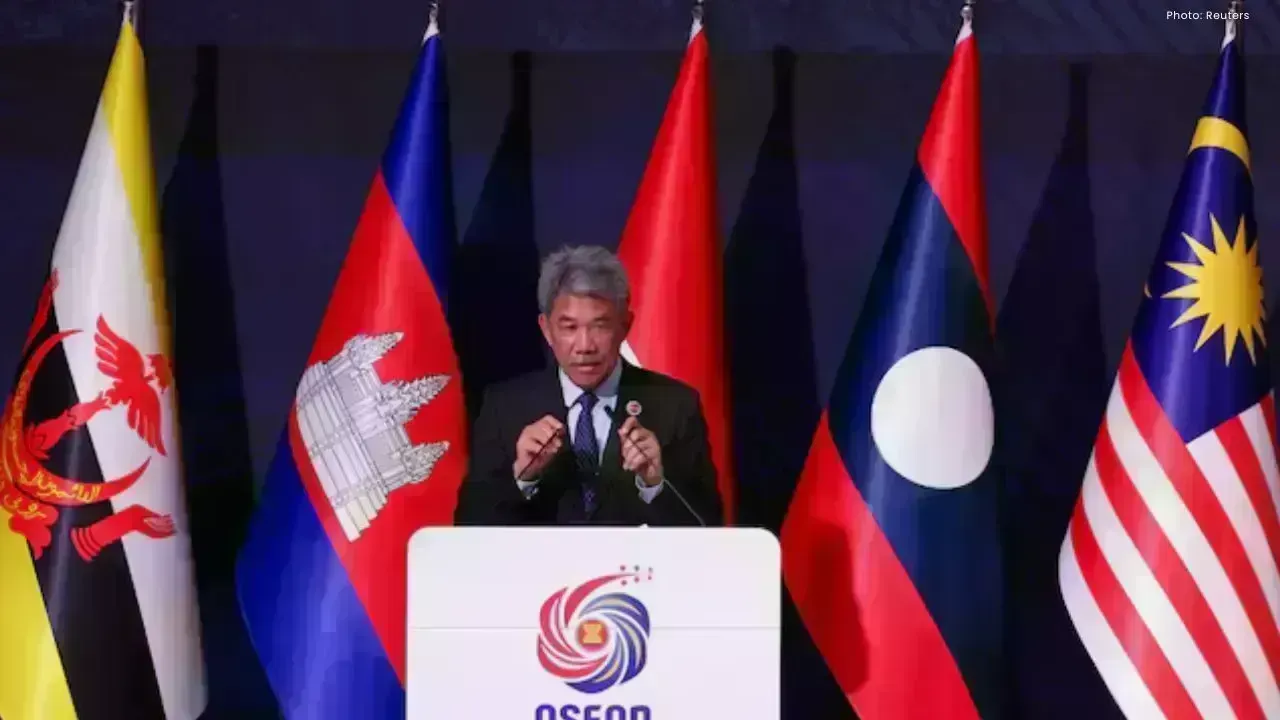
ASEAN has made a decisive move by refusing to endorse or monitor Myanmar’s current election. Mohamad Hasan, Malaysia’s Foreign Minister, stated that the group will not deploy official observers, thus withholding support for the electoral results. This action stems from significant apprehensions within Southeast Asia regarding the credibility of the elections and the prevailing political climate in Myanmar since the military takeover in 2021.
The nation has endured nearly five years of instability and violence since the coup that dismantled the elected government. Escalating confrontations between the military and various resistance factions have resulted in thousands of fatalities and mass displacements, creating dire living conditions for many citizens. In this troubled atmosphere, the military government initiated a three-phase election process in December, asserting it would restore order and pave the way for stability.
However, this assertion is met with skepticism from numerous countries and international organizations. The United Nations, several Western nations, and human rights advocates characterize the elections as a facade intended to legitimize military control. They argue that genuine electoral processes are impossible when opposition leaders are imprisoned, political parties face restrictions, and large swathes of the country are embroiled in conflict. The military regime denies such claims, maintaining that their procedures are legitimate and justified.
Furthermore, the lack of voter engagement has eroded faith in the elections. Recent reports indicated a very low turnout for the second phase earlier this month. Initial results show the military-backed Union Solidarity and Development Party capturing a substantial majority of the contested positions. Critics assert that this outcome was anticipated, considering the suppression of dissenting voices and voter exclusion in conflict-affected regions.
ASEAN’s choice to forgo sending observers serves as a powerful signal. Election monitors play a crucial role in ensuring the fairness, transparency, and pressure-free nature of voting. In the absence of these observers, the legitimacy of election outcomes is called into question at both the regional and global stage. Mohamad Hasan disclosed that Myanmar had sought ASEAN observer support during last year’s leaders’ summit in Kuala Lumpur, but this request was declined. Although some individual ASEAN nations may opt to observe independently, the collective decision by ASEAN not to participate stands.
This development reflects a significant transformation within ASEAN. Historically, the bloc has adhered to a non-interference principle regarding the internal matters of member states. While this policy has fostered unity among its diverse members, the ongoing turmoil in Myanmar poses challenges to these principles. By refraining from certifying the election, ASEAN signals that neutrality has its limits, especially when violence and exclusion undermine fundamental political values.
The ramifications of this decision extend regionally as well. Myanmar’s unrest impacts neighboring nations through refugee incursions, border instability, and illicit trade. Ongoing strife undermines ASEAN's image as a cooperative and stable regional entity. Without ASEAN’s approval, Myanmar's military officials will struggle to achieve international recognition and secure economic backing.
Nevertheless, ASEAN is walking a tightrope. A complete isolation of Myanmar might exacerbate civilian hardships and drive the country deeper into crisis. The challenge for ASEAN is to continue exerting pressure on the military government while advocating for dialogue, humanitarian initiatives, and a peaceful resolution involving all affected parties.
In the same parliamentary session, Malaysia’s foreign minister also addressed progress on the South China Sea, indicating that ASEAN is nearing the completion of a long-discussed code of conduct with China to manage disputes in these contested waters. China asserts rights to substantial portions of the sea, including areas claimed by several ASEAN states, complicating fishing, energy exploration, and regional security for an extended period.
Overall, these developments signify a pivotal moment for ASEAN. By rejecting Myanmar’s election while simultaneously pursuing diplomatic avenues for regional security, the bloc endeavors to bolster its credibility and stability. This position on Myanmar communicates a vital message that elections conducted under duress and conflict lack true legitimacy. Whether this pressure will catalyze genuine change in Myanmar remains uncertain; however, ASEAN has established that principles of peace, trust, and fairness are essential for the region’s future.







George Russell Wins Dutch GP Sprint, Boosts Mercedes Morale
George Russell wins the Dutch GP Sprint from pole as Mercedes teammate Kimi Antonelli extends his F1

Australia 50/3 After Bangladesh Bowled Out for 64 in Second Test
Australia reached 50/3 after Bangladesh were bowled out for 64 in the second Test, with Mitchell Sta

Jordan Burroughs Returns to Wrestling with 2028 Olympic Dream
Jordan Burroughs returns to wrestling with Real American Freestyle as the Olympic champion eyes a po

Lamborghini Catches Fire on Singapore's ECP, Causing Heavy Traffic
A Lamborghini caught fire on Singapore's ECP, causing heavy traffic and bus delays. No injuries were

Bangkok Airport Duty-Free Area Flooded by Pipe Burst
A burst water pipe flooded the duty-free shopping area at Bangkok's Suvarnabhumi Airport on July 16,
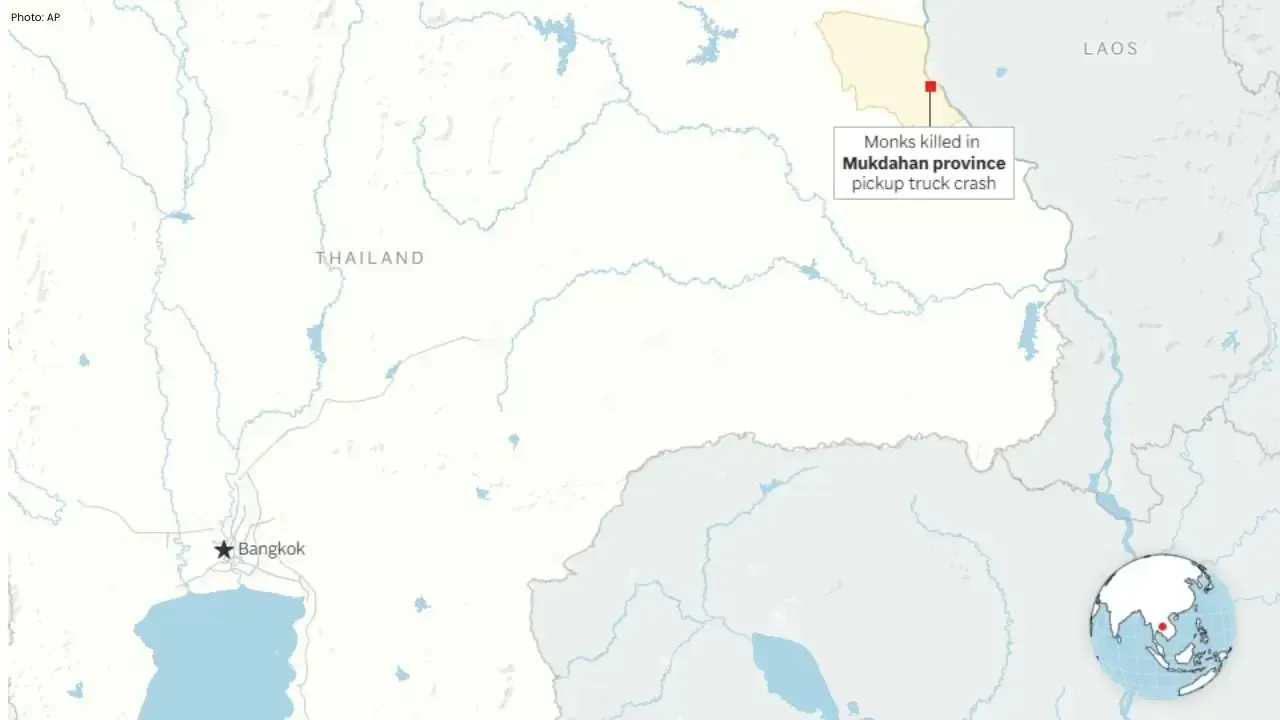
Nine Monks Killed in Thailand Pickup Truck Tragedy
An 11-year-old boy driving a pickup truck crashed into monks during a pilgrimage in northeastern Tha