You have not yet added any article to your bookmarks!
Join 10k+ people to get notified about new posts, news and tips.
Do not worry we don't spam!
Post by : Rohit Dhiman
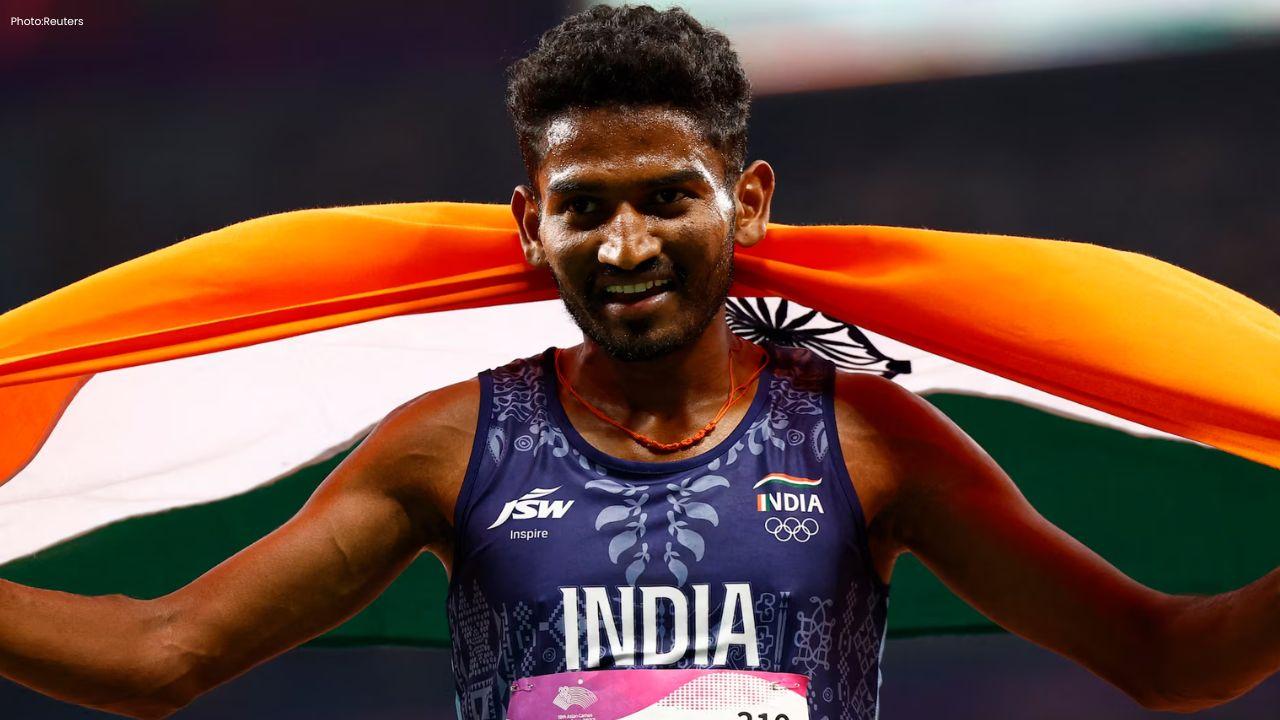
India’s leading steeplechase runner Avinash Sable is preparing for another major challenge after overcoming a difficult period that left him questioning whether he would compete again. The 32-year-old athlete is now back in competitive action and hopes to defend his 3,000m steeplechase title at the upcoming Asian Games. Sable’s return has been particularly significant because his latest comeback was not only about rebuilding physical strength. He also had to regain confidence after a serious knee injury and overcome a fear of the hurdles that had developed during his long recovery. The Indian runner had spent 14 months away from competition following a serious injury suffered at the Monaco Diamond League meeting last year. A fall near the water jump resulted in damage to the anterior cruciate ligament in his right knee and eventually required surgery. The injury disrupted a period in which Sable had established himself as one of India’s most prominent long-distance track athletes.
Sable’s physical recovery was accompanied by a difficult psychological battle. After spending months away from normal training, he began to doubt whether he could return to his previous level. One of the biggest obstacles was his fear of clearing hurdles again. The steeplechase requires athletes to repeatedly cross barriers and negotiate a water jump at high speed. After suffering his injury during such an incident, Sable became concerned that another mistake could lead to another serious setback. He recalled that there was a period when he had very little confidence and was uncertain about how he would rebuild his fitness. For an athlete accustomed to demanding daily workouts, the sudden inability to train normally proved especially difficult.
Sable’s sporting journey has already involved considerable hardship. He grew up in a farming community located nearly 500 kilometres from Mumbai. As a child, he regularly ran several kilometres barefoot to reach school. During his teenage years, he worked alongside his parents at brick kilns and construction sites as the family struggled financially. His circumstances changed after he joined the Indian Army, which eventually provided him with an opportunity to develop his athletic career. Those experiences helped build the determination that later became an important part of his sporting identity. However, Sable acknowledged that even his difficult upbringing could not fully prepare him for the uncertainty of a long injury layoff. The period after his knee surgery became one of the most challenging phases of his career.
Sable eventually began running again in November, giving him hope that his competitive return was becoming possible. However, his recovery suffered another setback when a shin problem forced him to stop training again in May. The extended break also affected his body weight. Sable said he gained around four to five kilograms during the period away from competition. Reducing his food intake too aggressively was not an option because proper nutrition was important for recovery. He believed the additional weight may also have contributed to the second injury when he attempted to increase his training load. The setback could have delayed his return even further, but support from coaches, fellow athletes and staff at the Sports Authority of India centre in Bengaluru helped him continue working towards his goal.
For Sable, getting physically fit was only one part of the comeback. He also needed to become comfortable with the specific demands of the steeplechase again. The hurdles had become a source of anxiety because his previous injury was connected to a fall during a steeplechase race. Returning to the same event therefore required him to confront the incident mentally as well as physically. Gradually, Sable was able to overcome that fear and resume steeplechase training. His motivation was also linked to his desire not to miss another major international competition. He had already missed the Commonwealth Games and did not want his injury to prevent him from competing at the Asian Games as well.
Sable returned to racing with a 5,000m event last month before moving back towards steeplechase competition. In New Delhi, he recorded a time of 8 minutes and 32.39 seconds in the steeplechase and finished around 18 seconds ahead of the runner-up. The performance showed that he was once again capable of competing over the demanding distance, although his time remained well behind the marks he had previously produced at the highest level. Sable’s Asian Games record stands at 8:19.50, the time he recorded while winning gold in Hangzhou. His Indian national record is considerably faster at 8:09.91, which he set at the Paris Diamond League meeting in 2024. These figures illustrate the gap between his current stage of comeback and the level he had reached before his injury.
Sable enters the next Asian Games with considerable experience and an established record at major competitions. At the Hangzhou Asian Games, he won gold in the 3,000m steeplechase and also claimed silver in the 5,000m. His performances have made him one of the most recognisable names in Indian athletics, particularly in long-distance and steeplechase events. He later competed at the Paris Olympics, where he finished 11th in the steeplechase final. In May 2025, he added another major achievement by winning gold at the Asian Championships. His progress continued as he targeted a personal best in Monaco, but that race ended in a serious setback when a rival stumbled and Sable was brought down near the water jump. That incident ultimately led to the long period away from competition.
With his fitness improving, Sable is now looking towards Asian Games 2026 and the opportunity to defend the steeplechase title he won in Hangzhou. His immediate focus is on returning to the level required to compete for another medal. He also hopes to be selected for the 5,000m event, where he previously won a silver medal at the Asian Games. The athlete has not suggested that the road back has been easy. Instead, his recent performances represent the result of a gradual recovery involving physical rehabilitation, training adjustments and renewed confidence. For Sable, the upcoming competition will therefore carry significance beyond simply defending a title. It will mark another stage in his comeback from a serious injury that once left him uncertain about his future in athletics.
Sable has set himself a straightforward target for the next Asian Games: he wants to perform better than he did at the previous edition. His existing Asian Games record gives him a clear benchmark, while his national record provides another indication of the level he is capable of reaching when fully fit. However, his recent 8:32.39 performance suggests that the priority at this stage is to continue building competitive sharpness rather than immediately chasing his fastest-ever time. The experience of the past 14 months has also changed his approach. After spending a long period away from competition, simply returning to the track has become an achievement in itself. His comeback has been supported by the people around him, particularly coaches and fellow athletes at the Bengaluru training centre. Sable now wants to repay that support through his performances on the track.
Read Also: Singapore Launches 200+ AI Training Courses With Free Premium Tools
Avinash Sable’s return is closely linked to the Asian Games 2026, where he is targeting a second consecutive 3,000m steeplechase title. His comeback follows a serious right-knee injury, surgery and 14 months away from competitive racing. His recent steeplechase performance in New Delhi indicates that he has returned to competition, although his latest time remains slower than both his Asian Games record and national record. Sable’s possible participation in the 5,000m event is another point of interest, following his silver medal in the event at the Hangzhou Asian Games.
Avinash Sable is an Indian long-distance runner specialising in the 3,000m steeplechase. He has won major medals at the Asian Games and Asian Championships.
Sable suffered a serious right-knee injury during the Monaco Diamond League meeting and underwent surgery. He subsequently spent around 14 months away from competition.
His fear developed after the serious fall that caused his knee injury. Returning to steeplechase meant overcoming concerns about getting injured again while clearing hurdles and negotiating the water jump.
Sable recorded 8:19.50 while winning the 3,000m steeplechase gold medal at the Hangzhou Asian Games.
His Indian national record in the 3,000m steeplechase is 8:09.91, set at the Paris Diamond League meeting in 2024.
Sable is aiming to defend his 3,000m steeplechase title and also hopes to be selected for the 5,000m event.





Avinash Sable Overcomes Hurdle Fear Ahead of Asian Games Title Defence
Avinash Sable returns after injury as he targets the Asian Games title, with Asian Games 2026 and In
Grab to Expand Autonomous Vehicle Fleet from 10 to 50 in Singapore
Grab will expand its autonomous vehicle fleet from 10 to 50 in Singapore, with new AV services plann

Judge Refuses to Record RM1.7mil Road Accident Settlement
Malaysia High Court says court approval is needed before a RM1.7 million road accident settlement in

Tesla Establishes Vietnam Unit in Major Southeast Asian Market
Tesla establishes a Vietnam unit with $3 million capital, opening a new route into the country's gro
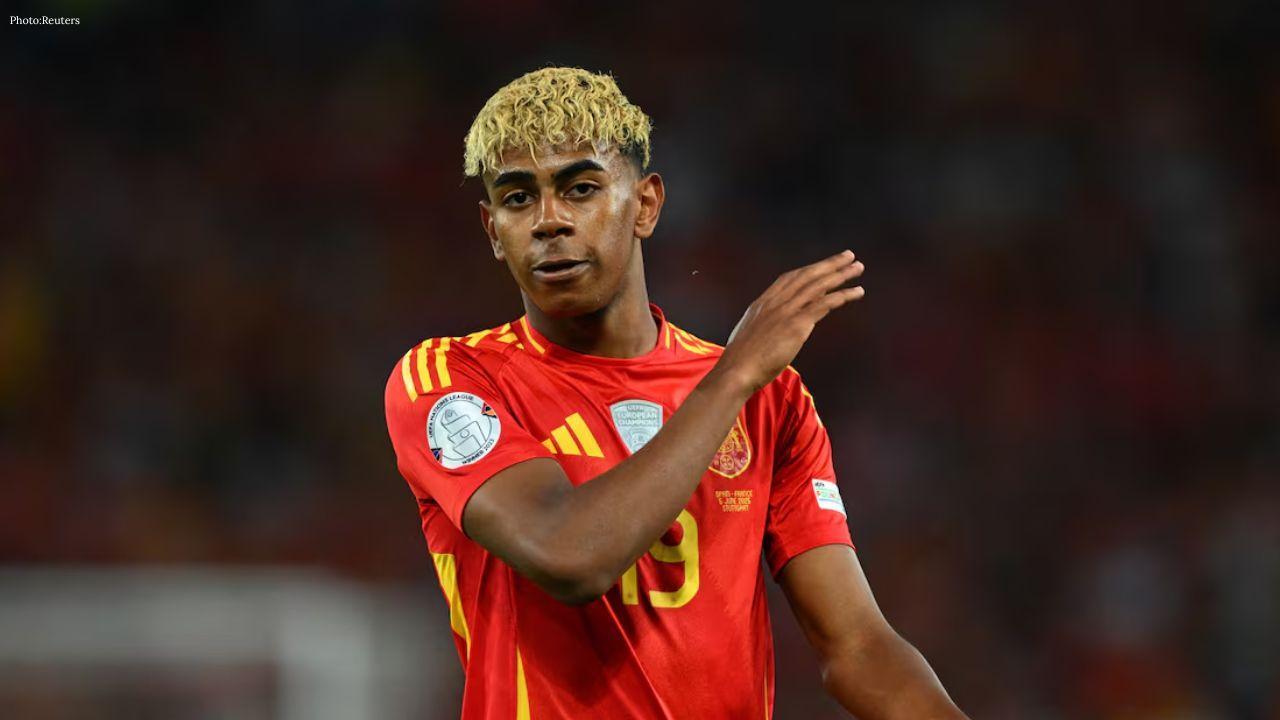
Lamine Yamal Says Mbappe Is His Only Ballon d'Or Rival
Lamine Yamal says Kylian Mbappe is his only Ballon d'Or rival after World Cup success and another La
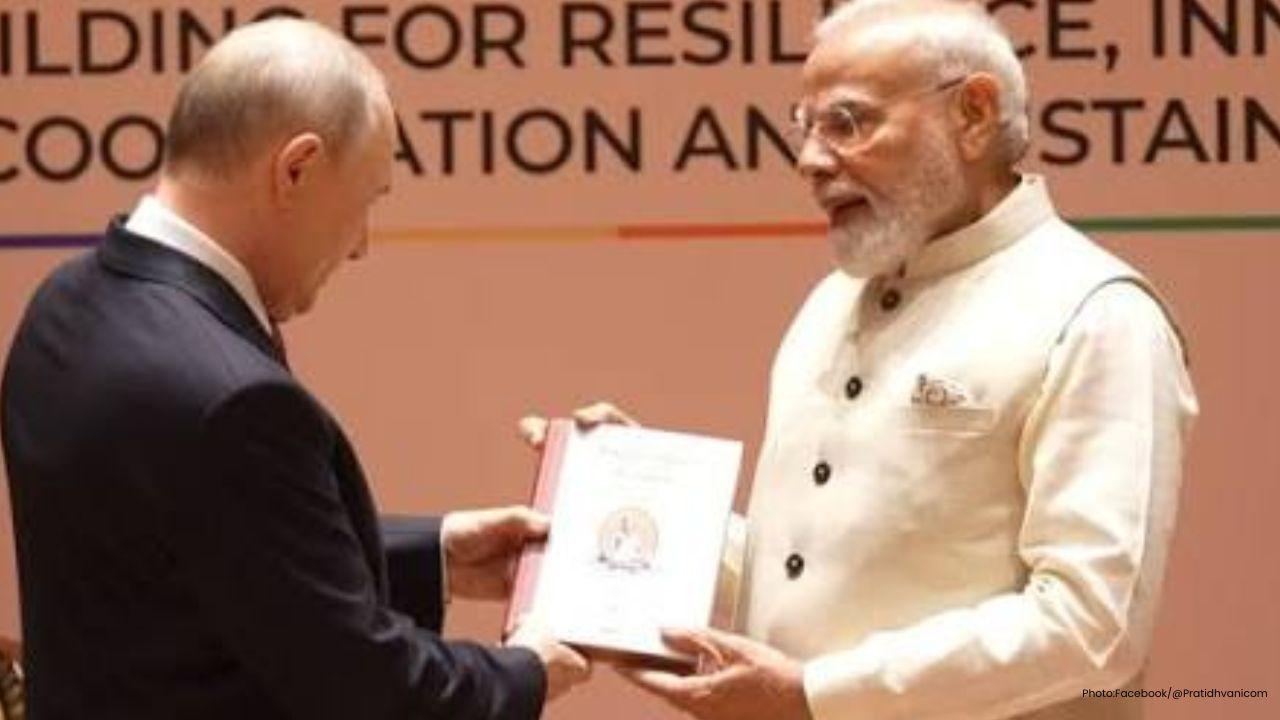
PM Modi Presents Putin Russian Translation of Thirukkural at BRICS Summit
PM Modi gifts Putin a Russian Thirukkural translation, highlighting India-Russia ties and the global