
You have not yet added any article to your bookmarks!
Join 10k+ people to get notified about new posts, news and tips.
Do not worry we don't spam!
Post by : Anis Farhan
Bali’s lush rice paddies, sacred temples, and white-sand beaches have long drawn millions to its shores. But the very popularity that put the Indonesian island on the global tourism map is now threatening to erase the essence that made it magical in the first place. In 2025, Bali is at a crossroads—trying to balance its booming tourism economy with urgent calls for sustainability, preservation, and respect for local traditions.
With more than 6 million tourists visiting annually (pre-pandemic), Bali has faced mounting pressure on its natural resources, local communities, and cultural heritage. The pandemic offered a brief reset—but now, tourism has bounced back faster than expected. While local businesses are thriving again, long-standing problems are returning with greater intensity.
From digital nomads to backpackers and honeymooners, Bali attracts a diverse global crowd. Ubud’s yoga retreats, Canggu’s surf breaks, and Seminyak’s beach clubs have helped turn this once-quiet island into a multi-billion-dollar tourism economy. But this growth has come at a steep price.
Local infrastructure, built for village life, has struggled to handle the demands of mass tourism. Roads are congested, waste management systems are overwhelmed, and water shortages have become common in some regions. Bali’s tourism success is beginning to look unsustainable.
What was once an organic, locally grounded tourism model has evolved into a sprawling network of resorts, Airbnbs, nightclubs, and Instagrammable hotspots—sometimes with little regard for environmental impact or Balinese values.
Perhaps the most urgent consequence of over-tourism is Bali’s growing water crisis. Hotels, private villas, and luxury pools consume enormous quantities of fresh water—often at the expense of rural and agricultural communities.
The island’s once-abundant subak system, a centuries-old irrigation method recognized by UNESCO, is under threat. Rice farmers are reporting reduced access to water due to over-extraction by tourism-heavy zones. In areas like Canggu and Kuta, saltwater intrusion into freshwater aquifers is becoming a regular concern.
Waste is another mounting issue. Bali produces more than 4,000 tons of trash daily, much of it non-biodegradable. Although community-based recycling efforts exist, they are often outpaced by tourist-generated waste, including single-use plastics.
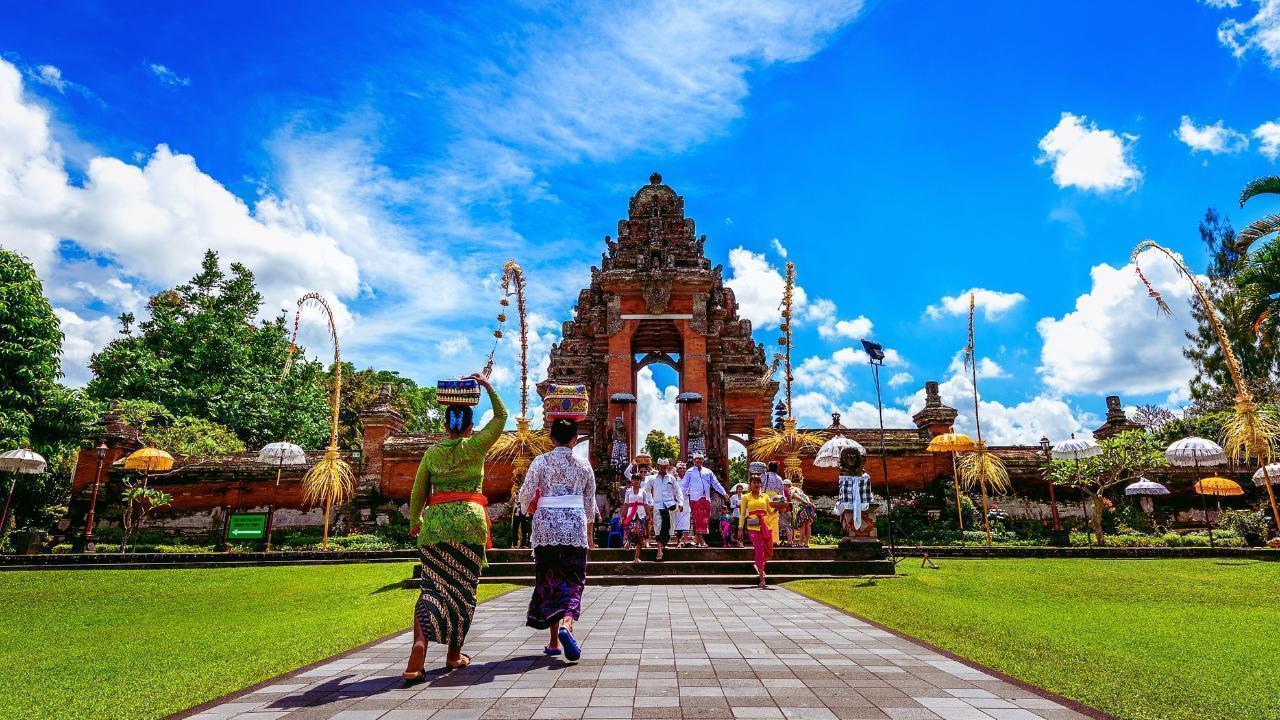
Balinese culture is rich, spiritual, and deeply rooted in ritual. Temples, ceremonies, and festivals form an integral part of daily life. But the surge in tourism has created friction. Locals report increasing instances of inappropriate behavior by visitors at sacred sites—like posing disrespectfully at temples or entering restricted areas dressed inappropriately.
To address this, local authorities have begun enforcing etiquette guidelines for tourists and even considered banning foreign motorbike rentals to curb unsafe behavior. In 2024, Bali’s governor proposed a new "tourist etiquette" bill requiring foreign visitors to sign a cultural code of conduct upon arrival.
While tourism has brought prosperity, some Balinese fear it’s also turning their sacred traditions into commodities—rituals staged for cameras, dance performances stripped of meaning, and spiritual practices reduced to aesthetic backdrops.
Tourism accounts for more than 50% of Bali’s economy. When COVID-19 shut down global travel, the island was devastated. Businesses shuttered, jobs vanished, and food insecurity spiked. That crisis underscored Bali’s heavy reliance on one industry.
In 2025, the rebound has been swift—but the scars remain. Many policymakers and community leaders now argue that Bali must diversify. There are calls to promote agriculture, local crafts, and digital industries to reduce dependency on tourism.
Some initiatives are already underway. Ubud has begun marketing itself as a wellness and arts hub, while northern Bali is being developed as an ecotourism zone with stricter environmental safeguards. But these efforts are still in their infancy and require long-term investment and planning.
One of the most significant post-pandemic shifts in Bali has been the rise of the digital nomad community. Lured by scenic cafés, coworking spaces, and a tropical lifestyle, thousands of remote workers have relocated to the island—especially in areas like Canggu and Uluwatu.
While this has injected new revenue into local economies, it has also led to skyrocketing rents, gentrification, and tensions with locals priced out of their own neighborhoods. Authorities are now discussing special visa categories and zoning regulations to better manage this demographic influx.
The challenge lies in balancing this modern wave of remote work tourism with Bali’s traditional community-centric way of life. Without oversight, the digital boom could morph into digital displacement.
Bali is not ignoring its challenges. In 2025, the provincial government revived its "Green Bali" plan, focusing on environmental regulations, cultural education, and sustainable business practices. Key measures include:
Banning single-use plastics island-wide
Launching waste-to-energy pilot plants
Encouraging eco-certification for hotels and resorts
Establishing visitor caps at popular destinations like Mount Batur and the Sacred Monkey Forest
Meanwhile, community-led initiatives are leading the charge. Villages like Penglipuran and Tenganan have embraced community-based tourism, where visitors are hosted within local households under strict environmental and cultural guidelines. These models ensure revenue stays in the community while minimizing disruption.
Bali’s challenge is clear: How to remain open to the world without being overwhelmed by it. Unlike some destinations that have imposed strict tourist limits—like Venice or Bhutan—Bali is unlikely to shut its doors. Instead, it must evolve a smarter, more conscious tourism model.
Experts recommend a pivot toward quality over quantity: attracting visitors who stay longer, spend more, and show respect for the culture and environment. Infrastructure development must prioritize locals, not just tourists. And regulations need enforcement, not just intent.
Above all, the people of Bali must be at the heart of every decision. Their voices, traditions, and rights must guide how the island charts its future.
Bali is still paradise. But like all beautiful things, it’s fragile. The island stands at a critical moment where it must choose sustainability over unchecked growth, community over profit, and culture over commodification.
The world will continue to come to Bali for its magic. The question is—will the magic still be there?
This article reflects the tourism and environmental policy landscape in Bali as of 2025. Readers are encouraged to consult official Indonesian tourism and local government sources for current regulations and data.










PM Modi Pays Tribute to Mahatma Gandhi, Urges People to Support Khadi
PM Modi pays tribute to Mahatma Gandhi on Gandhi Jayanti and urges citizens to support Khadi and the

Amazon Seeks to Offload $8 Billion in Nvidia Chips to Investors
Amazon plans to move $8 billion in Nvidia chips to investors, using a new financing model to strengt

Samsung Raises Galaxy S26 Prices as Memory Chip Costs Rise
Samsung raises Galaxy S26 prices in South Korea as rising memory chip costs put pressure on smartpho

Lewis Hamilton Calls Singapore Grand Prix One of F1's Toughest Races
Lewis Hamilton discusses the demanding Singapore Grand Prix and brings Plus44 and Almave to Singapor

Denmark's Pandora Opens World's Largest Jewellery Factory in Vietnam
Pandora opens its largest jewellery factory in Vietnam, expanding global production, strengthening s

Gautam Gambhir Questions Batting-Friendly Pitches After India's Record ODI Chase
Gautam Gambhir questions batting-friendly ODI pitches after India’s record chase, calling for a bett

