You have not yet added any article to your bookmarks!
Join 10k+ people to get notified about new posts, news and tips.
Do not worry we don't spam!
Post by : Saif Rahman
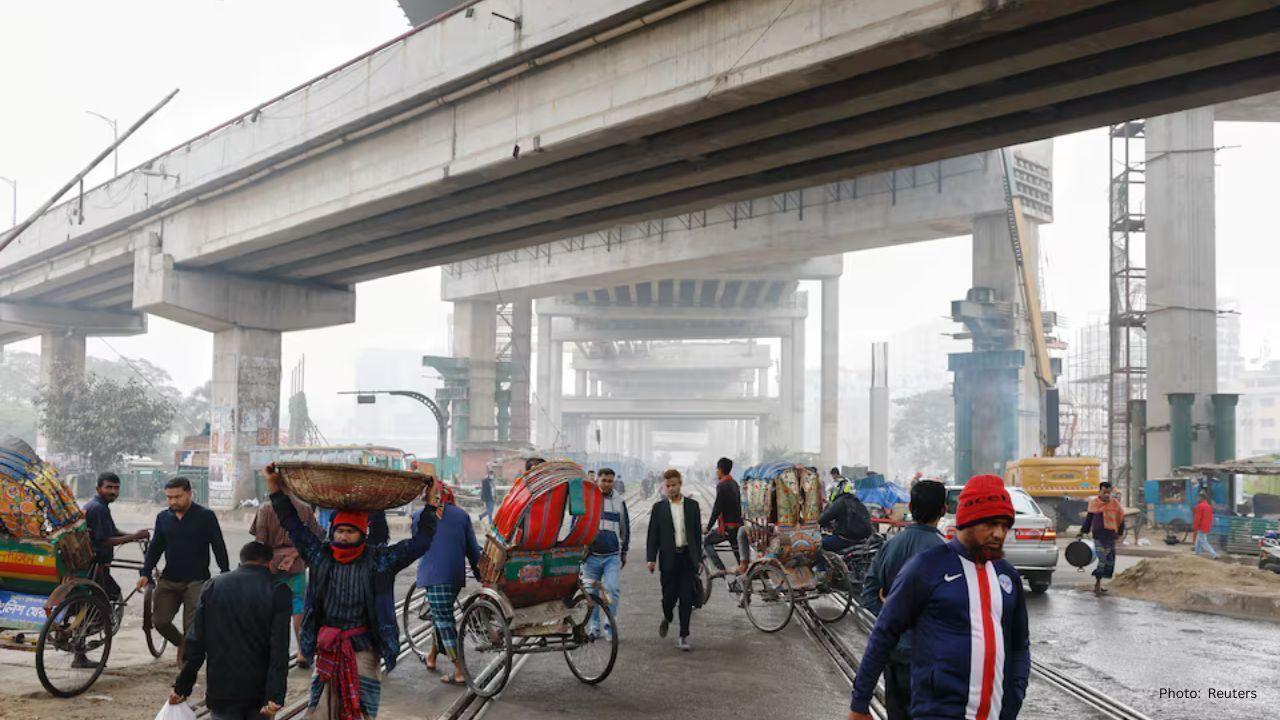
Bangladesh is on the brink of one of its pivotal elections, set for February 2025. This will mark the first national electoral process following the significant student-led protests that resulted in Sheikh Hasina being ousted from power in August 2024. With her party, the Awami League, barred from participating, the political landscape has dramatically transformed. The nation of approximately 173 million is now engaged in discussions about potential leaders, innovative policies, and evolving expectations.
The Bangladesh Nationalist Party (BNP), under the leadership of former Prime Minister Khaleda Zia, is seen as the leading contender. A recent survey conducted by the International Republican Institute indicates that the BNP could secure a majority in the upcoming election. Founded in 1978 by Ziaur Rahman, Khaleda Zia’s late husband, the BNP promotes a platform centered on national identity, economic reform, and a vigorous stance against corruption. However, challenges persist: Khaleda Zia’s health is declining, and her son, Tarique Rahman, currently in exile in London, faces legal hurdles, although he has expressed intentions to return before the election.
Jamaat-e-Islami, an Islamist party that saw a resurgence after Hasina’s era of control, appears to be the next strongest force. Led by Shafiqur Rahman, they advocate for an Islamic governance model under sharia law while attempting to broaden their appeal. Their central promise focuses on eradicating corruption and establishing a “mafia-free society.” Jamaat has previous governance experience from its alliance with the BNP between 2001 and 2006.
The National Citizen Party (NCP) is a fresh entity, formed by the student activists pivotal in the protests that toppled Hasina. Though gaining traction among younger voters, the NCP still lacks a robust national presence and lags behind both BNP and Jamaat in polls. Nevertheless, it introduces an ambitious manifesto that includes proposals for a new constitution, equitable judiciary, expanded media freedoms, universal healthcare and education, alongside climate change mitigation measures. Nahid Islam, a prominent figure from the protest movement, leads the party at the age of 27.
The election is poised to address several pressing concerns. Foremost is the restoration of democracy following months of conflict, which led to the establishment of an interim government helmed by Nobel laureate Muhammad Yunus. Many citizens are advocating for a return to a stable and accountable political framework. Another significant point of contention revolves around the proposed referendum on the “July Charter,” which includes constitutional reforms aimed at increasing female representation in parliament, introducing term limits for prime ministers, enhancing presidential powers, and ensuring judicial independence. There is a clear divide regarding the implementation of these reforms.
Amid these discussions, the pathway to economic recovery remains critical for the electorate. The garment sector, a cornerstone of Bangladeshi exports and employment, experienced considerable disruptions during recent turmoil, and voters are keen on policies that restore jobs and economic stability. Diplomatic relations, especially with India, have become increasingly complicated, as India’s backing of Hasina has led to strained ties. Consequently, China's growing influence could significantly impact future foreign policy.
Corruption is another major issue, with citizens demanding stricter accountability in governmental and corporate spheres. Judicial independence is a priority, particularly as many feel past court decisions were swayed by political interests. Press freedom is also at the forefront, as the public yearns for a more secure and open environment for journalists following years of oppression.
As the February election nears, Bangladesh stands at a critical crossroads. The absence of the Awami League has unleashed new political dynamics but raises questions about stability. This election is key to determining whether the nation can rebuild trust, fortify its democracy, and emerge from a turbulent era. The electorate is hopeful that the ensuing government will deliver justice, unity, and a promising future.





Josh Kerr and Jakob Ingebrigtsen Set for 1,500m Rivalry Rematch
Josh Kerr and Jakob Ingebrigtsen will renew their 1,500m rivalry at the Ultimate Championship in Bud

PSG Coach Luis Enrique Urges Players to Step Outside Comfort Zone
PSG coach Luis Enrique says players must leave their comfort zone and keep improving as the club tar

China’s Tiangong Sets New 400m Record at Robot Olympics
China’s Tiangong robot sets a new 400m record at the Robot Olympics, beating a South African robot i

George Russell Wins Dutch GP Sprint, Boosts Mercedes Morale
George Russell wins the Dutch GP Sprint from pole as Mercedes teammate Kimi Antonelli extends his F1
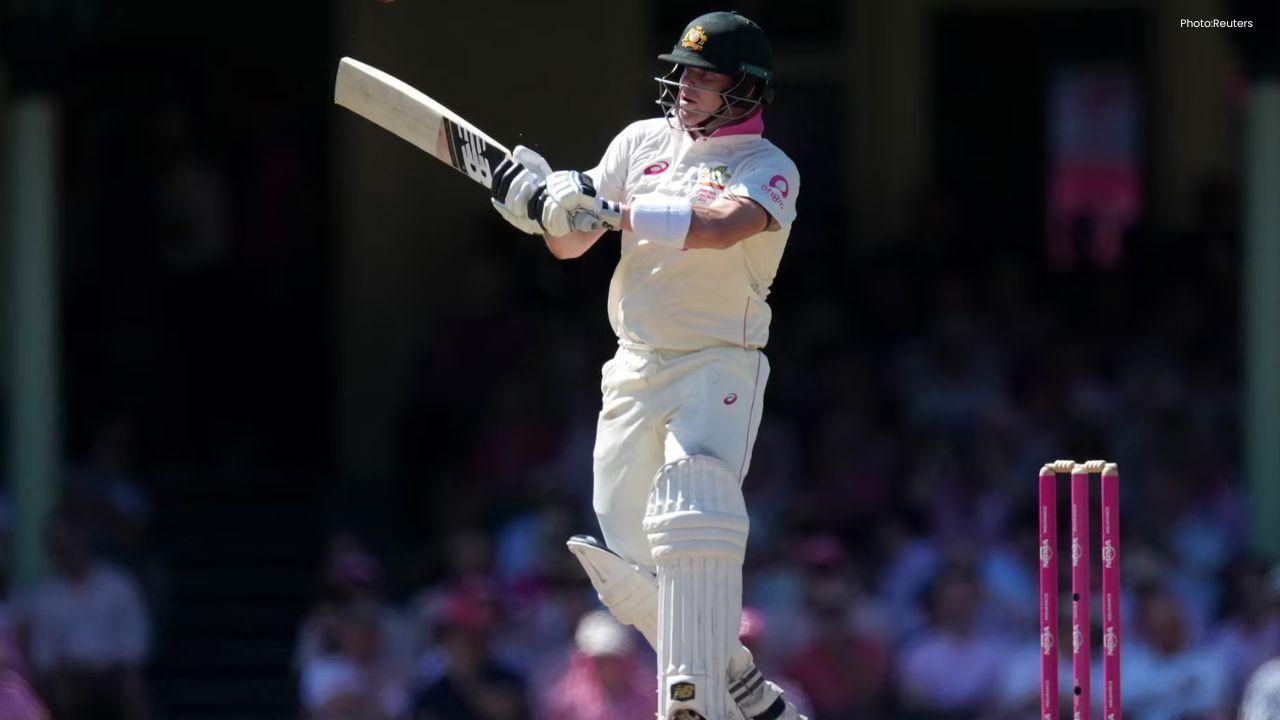
Australia 50/3 After Bangladesh Bowled Out for 64 in Second Test
Australia reached 50/3 after Bangladesh were bowled out for 64 in the second Test, with Mitchell Sta

Jordan Burroughs Returns to Wrestling with 2028 Olympic Dream
Jordan Burroughs returns to wrestling with Real American Freestyle as the Olympic champion eyes a po