You have not yet added any article to your bookmarks!
Join 10k+ people to get notified about new posts, news and tips.
Do not worry we don't spam!

Post by : Badri Ariffin
Amid a charged atmosphere in Cotonou, Benin, early Sunday saw sporadic gunfire as soldiers attempted to coup, announcing their actions on state television. Identifying themselves as the Military Committee for Refoundation, they declared the government's dissolution, alarming the entire West African region.
By the afternoon, Interior Minister Alassane Seidou took to social media to confirm that the coup had been “foiled.” President Patrice Talon later addressed the nation on TV, offering condolences to the victims of this reckless attempt and assuring the public that efforts are ongoing to secure those affected from fleeing rebels.
This attempt at insurrection marks a troubling trend of military unrest in West Africa. Just last month, Guinea-Bissau witnessed a successful coup amidst electoral disputes, underscoring the region's uncertainty.
Seidou recounted the incident: “In the early hours of December 7, a faction of soldiers attempted a coup to unsettle the government. The Beninese Armed Forces responded quickly to uphold stability.” Sources indicate that roughly 13 soldiers were detained, while the fate of the coup's leader, Lt. Col. Pascal Tigri, remains uncertain.
In response to the turmoil, ECOWAS (Economic Community of West African States) swiftly deployed troops from Nigeria, Sierra Leone, Ivory Coast, and Ghana to assist the Beninese military in restoring constitutional order. Nigeria’s President Bola Tinubu lauded the collaborative effort, highlighting that Benin requested both air and ground support, which played a crucial role in regaining control over national media.
Following the unrest, Cotonou is gradually returning to normalcy, with security patrols visible throughout the city. Since gaining independence from France in 1960, Benin has been prone to military coups, yet has maintained political stability since 1991 under a democratic framework. President Talon, in office since 2016, is expected to step down next April, with his party's candidate Romuald Wadagni being the front-runner for succession.
The nation also grapples with persistent political discord: recently, lawmakers extended the presidential term from five to seven years, and the opposition's candidate for the upcoming election faced rejection by the electoral board.
As Benin moves forward from this dramatic situation, the emphasis remains on sustaining stability and preparing for a successful transition in this historically volatile region.






Josh Kerr and Jakob Ingebrigtsen Set for 1,500m Rivalry Rematch
Josh Kerr and Jakob Ingebrigtsen will renew their 1,500m rivalry at the Ultimate Championship in Bud

PSG Coach Luis Enrique Urges Players to Step Outside Comfort Zone
PSG coach Luis Enrique says players must leave their comfort zone and keep improving as the club tar

China’s Tiangong Sets New 400m Record at Robot Olympics
China’s Tiangong robot sets a new 400m record at the Robot Olympics, beating a South African robot i

George Russell Wins Dutch GP Sprint, Boosts Mercedes Morale
George Russell wins the Dutch GP Sprint from pole as Mercedes teammate Kimi Antonelli extends his F1
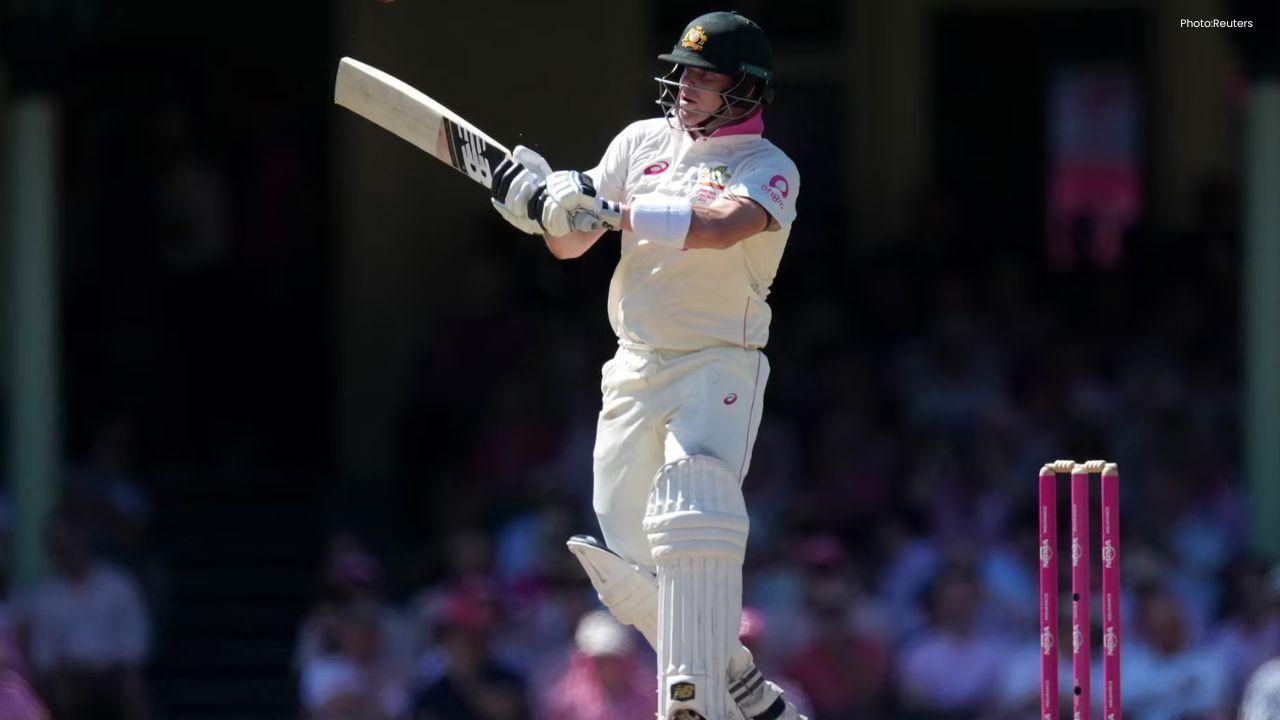
Australia 50/3 After Bangladesh Bowled Out for 64 in Second Test
Australia reached 50/3 after Bangladesh were bowled out for 64 in the second Test, with Mitchell Sta

Jordan Burroughs Returns to Wrestling with 2028 Olympic Dream
Jordan Burroughs returns to wrestling with Real American Freestyle as the Olympic champion eyes a po