You have not yet added any article to your bookmarks!
Join 10k+ people to get notified about new posts, news and tips.
Do not worry we don't spam!
Post by : Saif Rahman
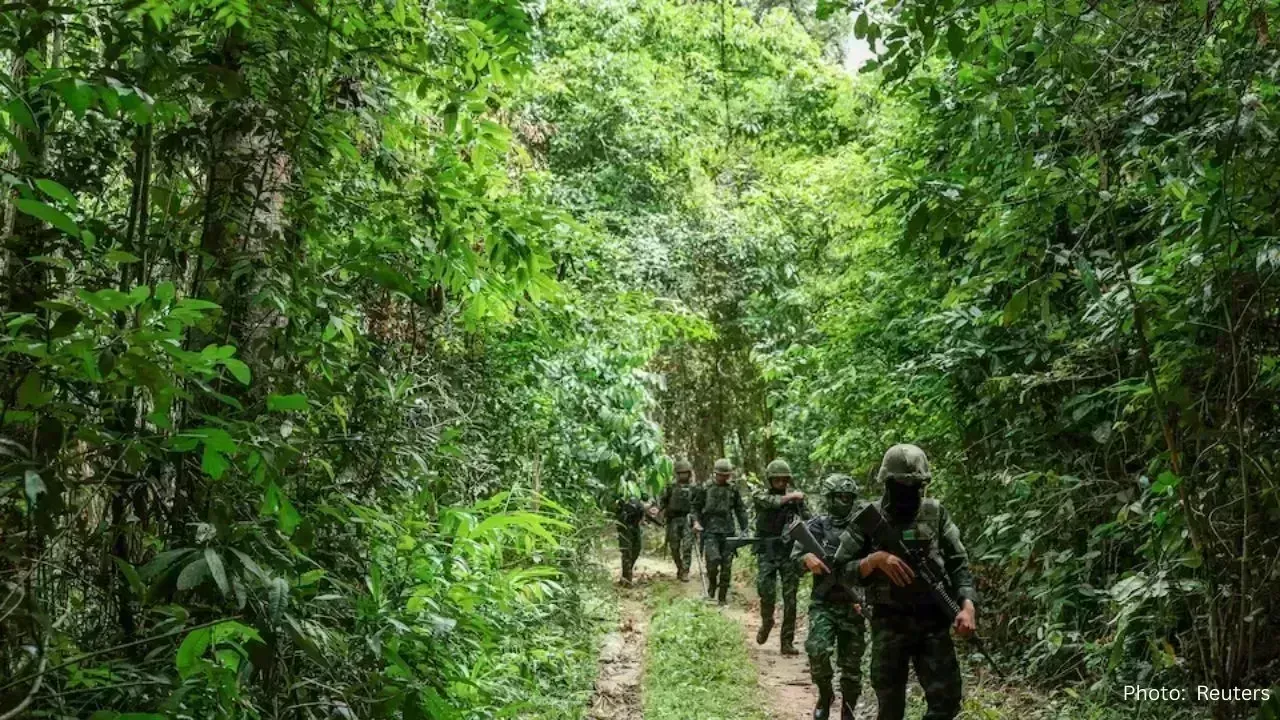
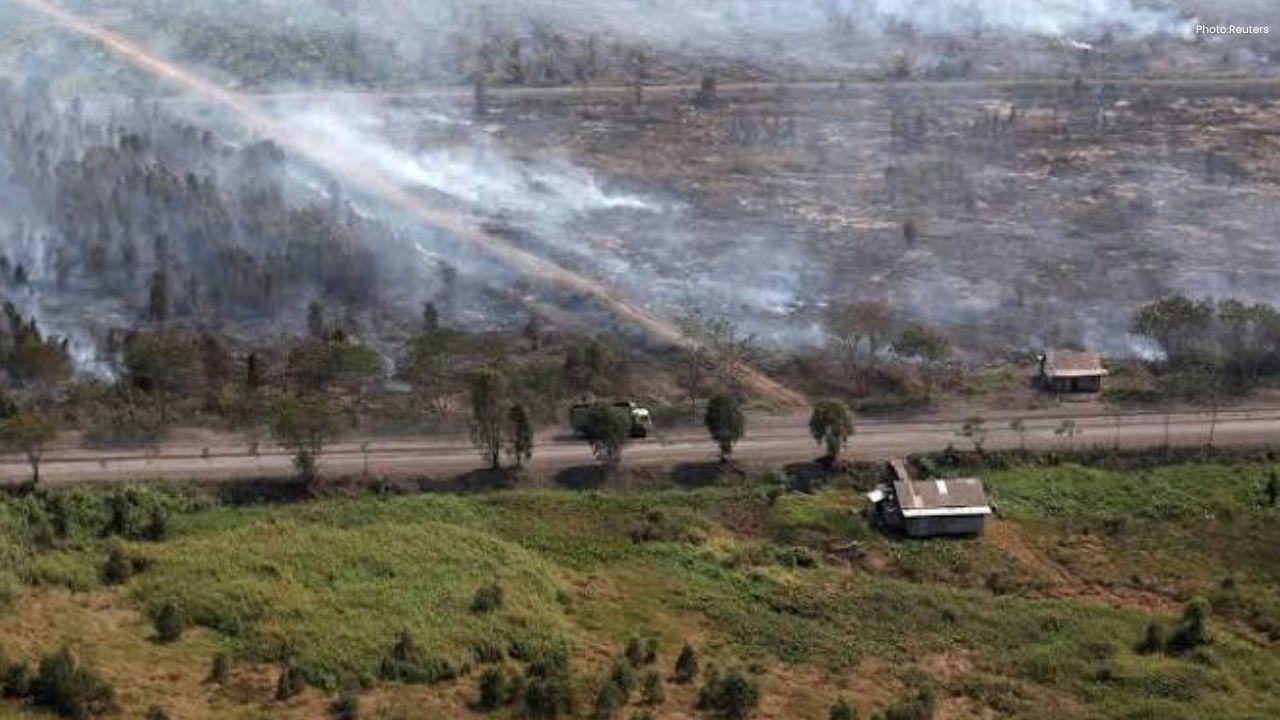
Cambodia has expressed serious concerns regarding the already fragile relationship with Thailand, stating that Thai soldiers continue to occupy civilian regions in Cambodia despite a ceasefire agreement made last December. Cambodian Foreign Minister Prak Sokhonn noted that several villages are sealed off with barbed wire and containers, which prevents around 4,000 families from returning to their homes.
This truce, established in December, aimed to end weeks of violent confrontations along the border. These clashes reportedly lasted for 20 days, leading to 101 fatalities and displacing over half a million people from both nations. The violence also resulted in damaging infrastructure, including roads, schools, temples, and homes.
Prak Sokhonn identified at least four locations where Thai troops are still positioned within Cambodian territory. He called for Thailand to demonstrate full adherence to the ceasefire to avert another outbreak of violence. He stated, “Although the situation is calm, there are still risks involved.” Cambodia has also sought a meeting of the Joint Boundary Commission, which is responsible for determining the border, but Thailand has yet to confirm its attendance.
In response, Thailand has dismissed Cambodia's claims, arguing that the current deployment of its troops aligns with previously agreed de-escalation efforts and does not represent an occupation. The Thai foreign ministry indicated that the government is preparing to resume discussions through the Joint Boundary Commission following elections scheduled for February.
Experts caution that procrastination in negotiations along with the unresolved presence of troops may jeopardize the delicate peace between the two nations. The historical conflict between Thailand and Cambodia has seen border skirmishes erupt multiple times over the last century.
International mediation has played a significant role in easing tensions. Former U.S. President Donald Trump, Malaysian Prime Minister Anwar Ibrahim, and representatives from China have contributed to fostering a truce. Recently, a Chinese special envoy visited both Bangkok and Phnom Penh, while diplomats from China, Thailand, and Cambodia convened in Yunnan province to foster trust.
Despite these diplomatic strides, the continuous presence of troops within civilian areas poses a severe threat. Both countries face increasing pressure to honor the ceasefire, dismantle barricades, and facilitate the return of displaced families. Experts emphasize that rebuilding trust and maintaining open lines of communication are essential for achieving lasting peace in the region.
Cambodia's warnings highlight that even minor infringements of peace agreements can heighten tensions. Should quick actions and dialogue not take place, the potential for renewed conflict remains significant. The immediate focus now is on adhering to the truce, reinitiating boundary discussions, and ensuring the safety of civilians in the contested regions.






PSG Coach Luis Enrique Urges Players to Step Outside Comfort Zone
PSG coach Luis Enrique says players must leave their comfort zone and keep improving as the club tar

China’s Tiangong Sets New 400m Record at Robot Olympics
China’s Tiangong robot sets a new 400m record at the Robot Olympics, beating a South African robot i

George Russell Wins Dutch GP Sprint, Boosts Mercedes Morale
George Russell wins the Dutch GP Sprint from pole as Mercedes teammate Kimi Antonelli extends his F1

Australia 50/3 After Bangladesh Bowled Out for 64 in Second Test
Australia reached 50/3 after Bangladesh were bowled out for 64 in the second Test, with Mitchell Sta

Jordan Burroughs Returns to Wrestling with 2028 Olympic Dream
Jordan Burroughs returns to wrestling with Real American Freestyle as the Olympic champion eyes a po

Lamborghini Catches Fire on Singapore's ECP, Causing Heavy Traffic
A Lamborghini caught fire on Singapore's ECP, causing heavy traffic and bus delays. No injuries were