
You have not yet added any article to your bookmarks!
Join 10k+ people to get notified about new posts, news and tips.
Do not worry we don't spam!
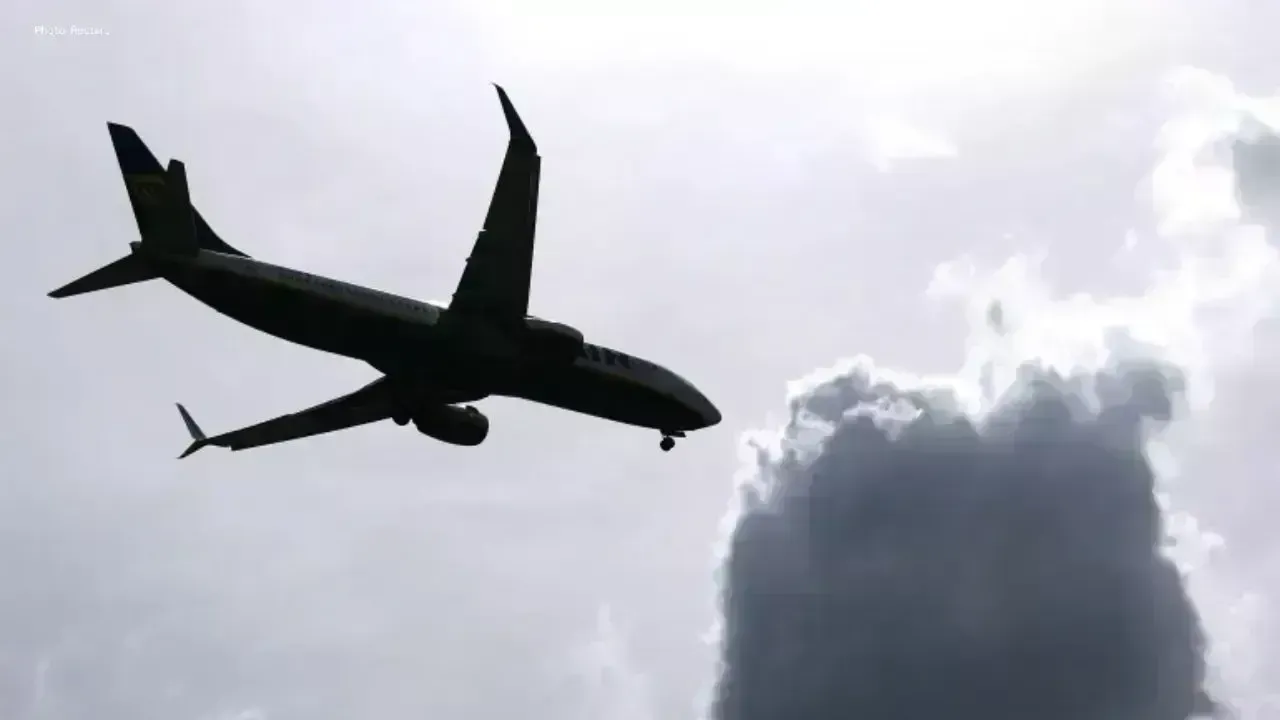
Post by : Shweta
In light of escalating tensions involving Iran, the European Union is proactively investigating new avenues for jet fuel procurement. The ongoing conflict has started to put a strain on global energy markets, particularly affecting the critical shipping routes in the Strait of Hormuz, through which a considerable amount of the world's oil and fuel typically passes.
While European officials report no immediate jet fuel shortages, they recognize that the situation is becoming increasingly precarious. Transport Commissioner Apostolos Tzitzikostas noted tightening fuel stocks in various European regions but assured that the markets are still operational and large-scale flight cancellations are not currently anticipated. However, heightened fuel costs have already prompted several airlines to revise routes or impose additional fees on passengers.
Europe's significant dependency on imported jet fuel—approximately 30 to 40 percent of its supply being sourced externally—exacerbates these concerns, particularly as many imports are from the Middle East. This instability poses a critical threat to the aviation industry. Energy experts, including leaders from the International Energy Agency, have indicated that if disruptions persist, Europe could face serious fuel supply issues in the near future.
To mitigate these risks, the European Commission is contemplating several strategies, which include ramping up imports from alternative suppliers like the United States and instituting minimum fuel reserve requirements to ensure emergency stocks are maintained among member states. Additionally, the authorities plan to initiate a monitoring mechanism, informally dubbed a “fuel observatory,” aimed at tracking supply levels and enabling swift responses to any emerging shortages.
This potential for fuel shortages arises at a crucial juncture as Europe gears up for the peak summer travel season, with a noticeable uptick in aviation demand expected. Any fuel availability disruptions could seriously affect flight operations and travel arrangements across the continent. Though officials express confidence in managing the situation for now, they underscore the necessity of preparations for a potential escalation.
Overall, the EU's response highlights a growing urgency regarding the broader economic ramifications of the conflict. Ensuring consistent energy availability, particularly for vital sectors like aviation, has become increasingly important as geopolitical issues continue to influence global trade routes and fuel markets.










PM Modi Pays Tribute to Mahatma Gandhi, Urges People to Support Khadi
PM Modi pays tribute to Mahatma Gandhi on Gandhi Jayanti and urges citizens to support Khadi and the

Amazon Seeks to Offload $8 Billion in Nvidia Chips to Investors
Amazon plans to move $8 billion in Nvidia chips to investors, using a new financing model to strengt

Samsung Raises Galaxy S26 Prices as Memory Chip Costs Rise
Samsung raises Galaxy S26 prices in South Korea as rising memory chip costs put pressure on smartpho

Lewis Hamilton Calls Singapore Grand Prix One of F1's Toughest Races
Lewis Hamilton discusses the demanding Singapore Grand Prix and brings Plus44 and Almave to Singapor

Denmark's Pandora Opens World's Largest Jewellery Factory in Vietnam
Pandora opens its largest jewellery factory in Vietnam, expanding global production, strengthening s

Gautam Gambhir Questions Batting-Friendly Pitches After India's Record ODI Chase
Gautam Gambhir questions batting-friendly ODI pitches after India’s record chase, calling for a bett

