
You have not yet added any article to your bookmarks!
Join 10k+ people to get notified about new posts, news and tips.
Do not worry we don't spam!
Post by : Shweta
Across Canada, universities are stepping up to assist international students who are facing challenges due to the ongoing Middle Eastern conflict. These initiatives encompass exam postponements, flexible deadlines, and monetary support to ease the academic and personal burdens during this challenging period.
Several universities have proactively contacted students associated with affected regions, such as Iran and neighboring nations. For example, the University of Victoria is offering tailored assistance, including emergency bursaries and waivers on registration holds tied to unpaid tuition. They are also easing admission criteria for applicants impacted by the upheaval.
At Queen's University, measures include extended payment deadlines without penalties, emergency funding access, and expanded mental health services. Officials are urging affected students to reach out for individualized support.
Carleton University is providing academic leniency, including options for exam deferrals and adjustments for submitting admission documents, along with reviewing tuition relief requests from those in financial distress.
McGill University has reached out to students from various Middle Eastern nations, ensuring they are informed about available academic accommodations and mental health resources. This outreach extends to students from Iran, Lebanon, Israel, and other nations affected by the ongoing turmoil.
These support initiatives arrive at a crucial time as the conflict continues to impact a significant number of international students studying in Canada. According to statistics, thousands of students from countries like Iran and Lebanon currently possess study permits, rendering them especially vulnerable to disruptions caused by warfare.
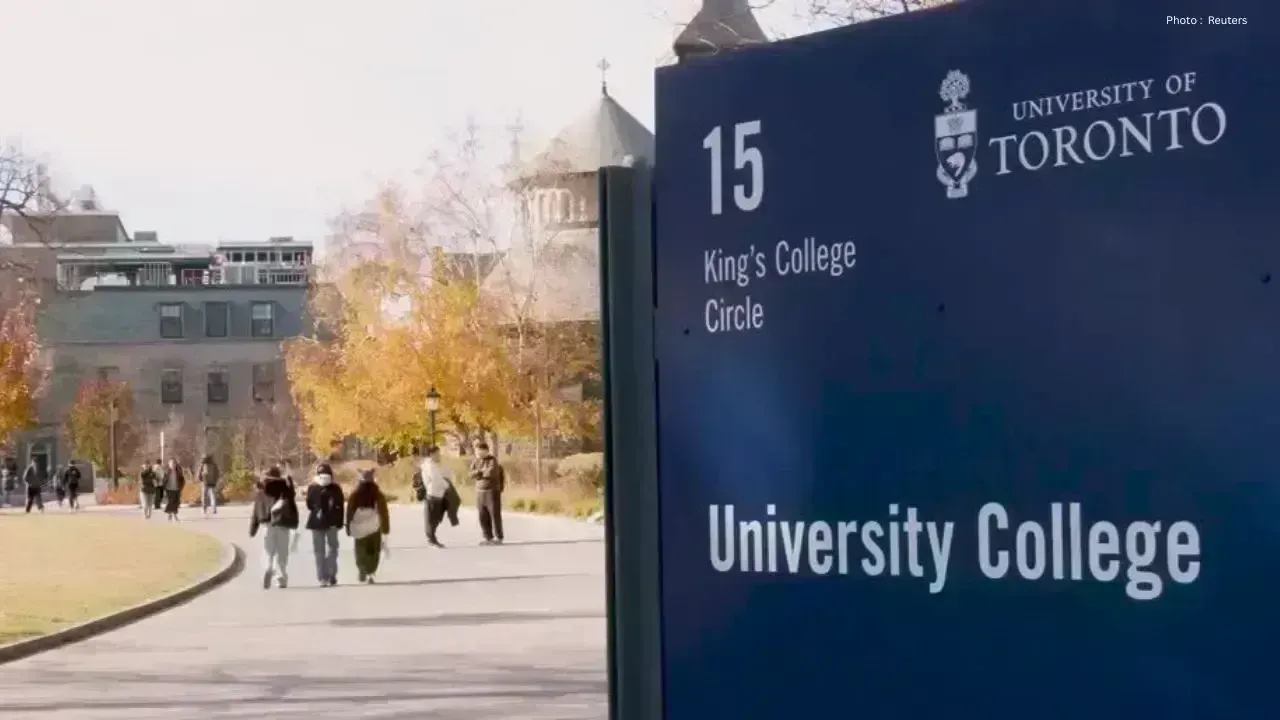
Student organizations are additionally advocating for measures to enhance support. At the University of Toronto, student leaders are emphasizing the need for more consistent policies to aid affected individuals. They are pushing for long-term solutions, including dedicated emergency funding, improved mental health services, and definitive institutional guidelines for crisis management.
Many students have voiced serious concerns, such as difficulties in reaching out to family members due to communication hurdles and financial complications arising from restrictions on money transfers. These factors have contributed to heightened emotional stress and uncertainty in their academic trajectories.
Universities emphasize that these supportive measures aim to ensure students can pursue their studies without added pressure amid these turbulent times. As the situation evolves, it is anticipated that institutions will continue to assess and enhance their support structures to better cater to the needs of affected students.










PM Modi Pays Tribute to Mahatma Gandhi, Urges People to Support Khadi
PM Modi pays tribute to Mahatma Gandhi on Gandhi Jayanti and urges citizens to support Khadi and the

Amazon Seeks to Offload $8 Billion in Nvidia Chips to Investors
Amazon plans to move $8 billion in Nvidia chips to investors, using a new financing model to strengt

Samsung Raises Galaxy S26 Prices as Memory Chip Costs Rise
Samsung raises Galaxy S26 prices in South Korea as rising memory chip costs put pressure on smartpho

Lewis Hamilton Calls Singapore Grand Prix One of F1's Toughest Races
Lewis Hamilton discusses the demanding Singapore Grand Prix and brings Plus44 and Almave to Singapor

Denmark's Pandora Opens World's Largest Jewellery Factory in Vietnam
Pandora opens its largest jewellery factory in Vietnam, expanding global production, strengthening s

Gautam Gambhir Questions Batting-Friendly Pitches After India's Record ODI Chase
Gautam Gambhir questions batting-friendly ODI pitches after India’s record chase, calling for a bett

