
You have not yet added any article to your bookmarks!
Join 10k+ people to get notified about new posts, news and tips.
Do not worry we don't spam!
Post by : Badri Ariffin
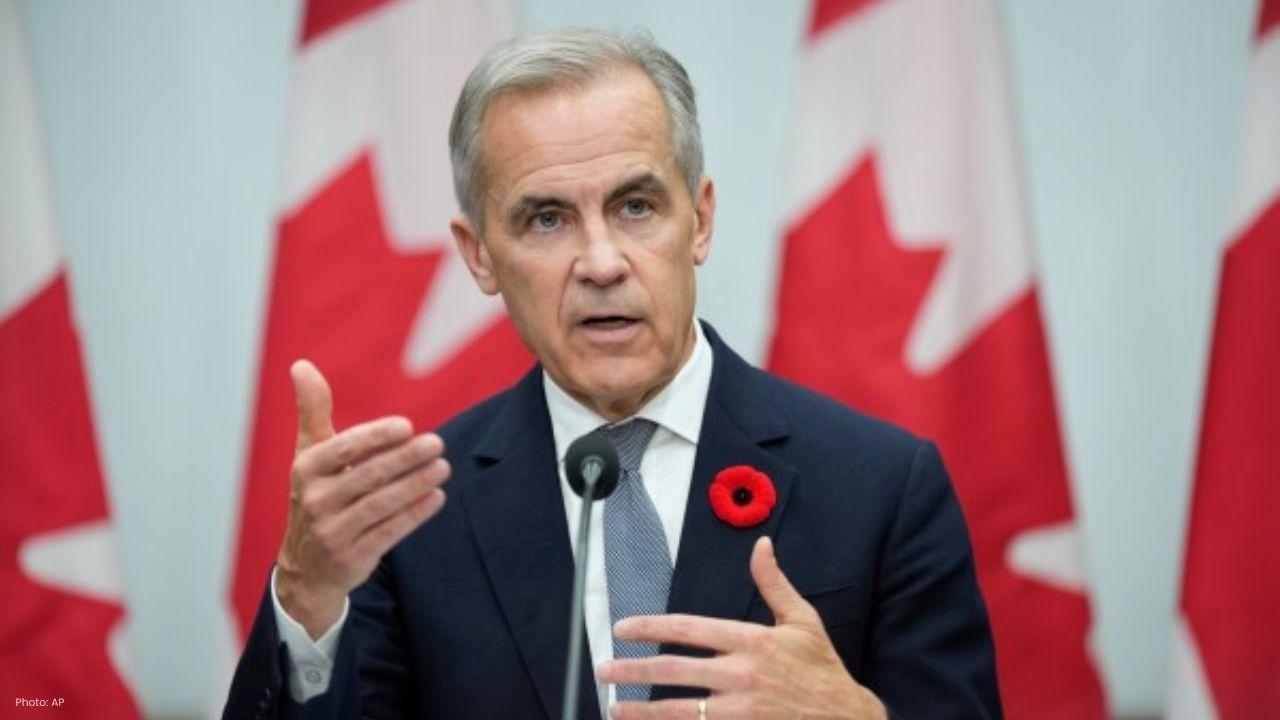
Canada’s federal government has rolled out a landmark budget under Prime Minister Mark Carney, signaling bold moves to reshape the nation’s economy and respond to the ripple effects of US tariffs. The plan, described as an “investment budget,” sets the country on a path of heightened spending, projected to push the deficit to C$78 billion—the second highest in Canadian history.
The budget focuses on attracting C$1 trillion in investment over the next five years, with the government emphasizing that restraint could threaten essential social programs and critical funding for Canada’s future. Despite heavy spending, the plan includes targeted cuts, such as a 10% reduction in the federal workforce over the coming years.
Finance Minister François-Philippe Champagne presented the plan in the House of Commons, highlighting the need for “bold and swift action” amid a period of profound economic change. A recurring theme in the budget is protectionism, prompted by President Donald Trump’s 35% tariffs on Canadian goods not covered by existing trade agreements. Key sectors, including steel, aluminium, and automobiles, have already felt the impact, leading to job losses and investment uncertainty.
To counter these challenges, the budget proposes C$280 billion in spending over five years to boost productivity, competitiveness, and economic resilience. This includes modernizing ports and trade infrastructure with the goal of doubling exports to non-US markets within a decade. Direct support is also planned for businesses affected by tariffs, alongside regulatory reforms intended to attract private investment.
Defence spending is another significant focus, with nearly C$82 billion earmarked over five years—aligning Canada with NATO targets of 2% GDP expenditure on military capabilities. Meanwhile, the government is making a strong push into artificial intelligence, committing almost C$1 billion to enhance AI integration across industries and government services.
The budget also signals sacrifices: international aid will return to pre-pandemic levels, immigration targets are slightly reduced, and student visas face a major cut. These measures aim to stabilize federal operations and control long-term spending, even as Canadians navigate rising living costs.
With the Carney government holding a slim minority, the budget’s passage relies on support from other parties. While one Conservative MP has crossed the floor to back the Liberals, critics from the Conservative, Bloc Québécois, and New Democratic parties have raised concerns about the rising deficit and public sector cuts. The next steps in parliament will determine whether Carney’s ambitious economic vision becomes reality or sparks a political showdown.










PM Modi Pays Tribute to Mahatma Gandhi, Urges People to Support Khadi
PM Modi pays tribute to Mahatma Gandhi on Gandhi Jayanti and urges citizens to support Khadi and the

Amazon Seeks to Offload $8 Billion in Nvidia Chips to Investors
Amazon plans to move $8 billion in Nvidia chips to investors, using a new financing model to strengt

Samsung Raises Galaxy S26 Prices as Memory Chip Costs Rise
Samsung raises Galaxy S26 prices in South Korea as rising memory chip costs put pressure on smartpho

Lewis Hamilton Calls Singapore Grand Prix One of F1's Toughest Races
Lewis Hamilton discusses the demanding Singapore Grand Prix and brings Plus44 and Almave to Singapor

Denmark's Pandora Opens World's Largest Jewellery Factory in Vietnam
Pandora opens its largest jewellery factory in Vietnam, expanding global production, strengthening s

Gautam Gambhir Questions Batting-Friendly Pitches After India's Record ODI Chase
Gautam Gambhir questions batting-friendly ODI pitches after India’s record chase, calling for a bett

