
You have not yet added any article to your bookmarks!
Join 10k+ people to get notified about new posts, news and tips.
Do not worry we don't spam!
Post by : Shweta
NATO leaders are maintaining a sense of optimism about the alliance's future, even as tensions escalate involving Iran and the precarious state of the Strait of Hormuz. This situation has emerged as a significant international security worry in recent months, with concerns that further developments could disrupt global energy flow and heighten military instability in the Middle East.
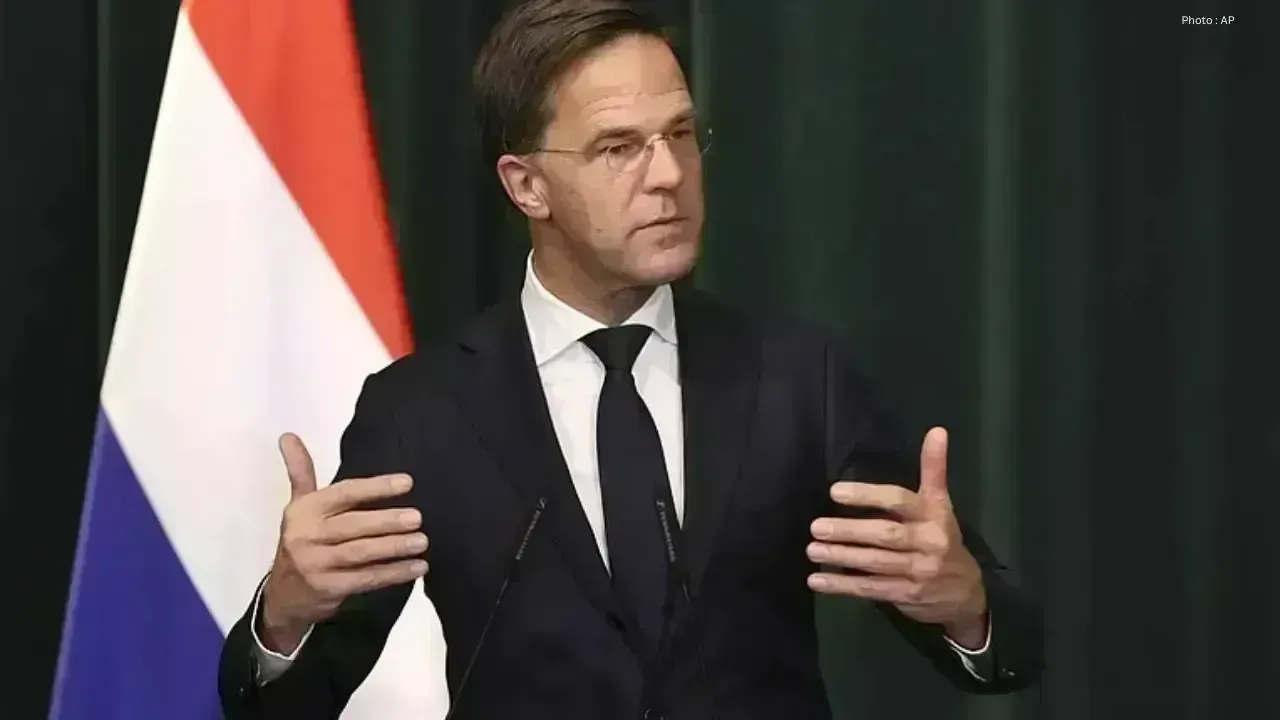
Mark Rutte, NATO's Secretary General, conveyed that member nations are “extremely optimistic” regarding the long-term viability of the alliance, even as the discussions around Iran and maritime safety dominate numerous international forums. During his recent tours across Europe, Rutte emphasized the importance of close cooperation among NATO countries in response to the Gulf situation.
The Strait of Hormuz has become the focal point of this crisis, representing one of the world’s crucial oil transit corridors. Approximately 20 percent of global oil and liquefied natural gas flows through this narrow channel on a daily basis. Any disturbance in this area has immediate repercussions on global energy markets, impacting oil prices and international trade.
Tensions have surged following confrontations between Iran, the U.S., and allied nations, leading to assaults on commercial vessels, military activities, and threats against oil tankers navigating the waters. Recent reports indicate that shipping activities in certain sections of the Strait of Hormuz have significantly decreased due to safety concerns and heightened naval operations.
Even in the face of this escalating crisis, NATO representatives affirm their readiness to bolster regional security as required. Rutte noted that NATO allies are engaged in discussions about securing maritime routes and supporting stability in the Gulf. He also mentioned that various countries are contemplating potential military or logistical support should conditions deteriorate further.
However, the crisis has unveiled some divisions within the alliance. Reports indicate that a few European nations are hesitant about engaging in direct military actions related to the conflict. These governments fear that aggressive measures may exacerbate tensions with Iran, potentially sparking a broader regional conflict. In contrast, some NATO allies argue for the importance of safeguarding global shipping routes to maintain economic and energy security.
U.S. President Donald Trump has criticized certain NATO allies for their perceived slow response to the Hormuz crisis, urging European partners to enhance naval support and cooperate effectively in protecting commercial vessels in the area. His statements have led to some discord within the alliance while NATO leaders strive to maintain a unified public stance.
Germany, France, and Britain are advocating for diplomatic measures to alleviate tensions and are simultaneously exploring security precautions to keep shipping lanes open. European leadership expresses a desire to avoid a larger military conflict while ensuring the protection of international trade and energy supplies.
The ongoing crisis is generating substantial uncertainty in global financial markets. Oil pricing has experienced instability as investors keep a close eye on changes in the Gulf. Experts in energy caution that a significant attack on shipping infrastructure or a total blockade of the Strait of Hormuz could result in sharp increases in oil prices, impacting economies worldwide.
Military analysts underscore that the situation remains intensely sensitive, particularly as securing the Strait of Hormuz during active conflict poses considerable challenges. The narrow waterway is vulnerable to naval mines, drones, missiles, and fast-speed attack boats, complicating protective efforts even for robust military coalitions.
NATO leaders continue to emphasize that the alliance is committed to collective security and stability, despite the current tensions. Ongoing discussions among member states are crucial, and ensuring sustained collaboration between North American and European allies is prioritized during this crisis.










PM Modi Pays Tribute to Mahatma Gandhi, Urges People to Support Khadi
PM Modi pays tribute to Mahatma Gandhi on Gandhi Jayanti and urges citizens to support Khadi and the

Amazon Seeks to Offload $8 Billion in Nvidia Chips to Investors
Amazon plans to move $8 billion in Nvidia chips to investors, using a new financing model to strengt

Samsung Raises Galaxy S26 Prices as Memory Chip Costs Rise
Samsung raises Galaxy S26 prices in South Korea as rising memory chip costs put pressure on smartpho

Lewis Hamilton Calls Singapore Grand Prix One of F1's Toughest Races
Lewis Hamilton discusses the demanding Singapore Grand Prix and brings Plus44 and Almave to Singapor

Denmark's Pandora Opens World's Largest Jewellery Factory in Vietnam
Pandora opens its largest jewellery factory in Vietnam, expanding global production, strengthening s

Gautam Gambhir Questions Batting-Friendly Pitches After India's Record ODI Chase
Gautam Gambhir questions batting-friendly ODI pitches after India’s record chase, calling for a bett

