You have not yet added any article to your bookmarks!
Join 10k+ people to get notified about new posts, news and tips.
Do not worry we don't spam!
Post by : Anis Farhan
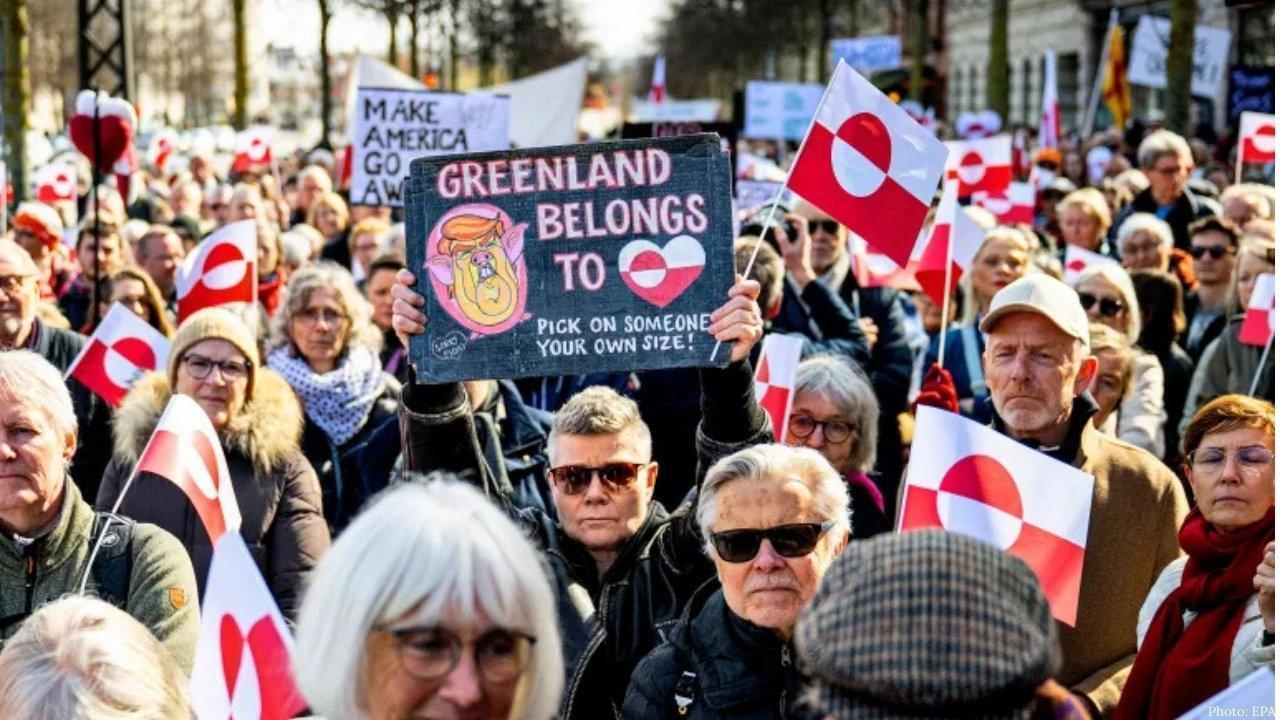
Denmark’s Prime Minister Mette Frederiksen and the Greenlandic government have signalled that further negotiations with the United States are imminent following discussions with U.S. Secretary of State Marco Rubio at the 2026 Munich Security Conference. The talks mark the latest chapter in an ongoing diplomatic effort to resolve tensions triggered by U.S. interest in the strategic Arctic island of Greenland, which is a self-governing territory within the Kingdom of Denmark and a key region for defence and security considerations in the North Atlantic and Arctic.
The meeting underscores how geopolitical competition in the Arctic—driven by interests in territorial control, natural resources, and strategic military positioning—has drawn global attention and brought tensions between allies into sharper focus. While the talks have been described as constructive, both Copenhagen and Nuuk emphasise that any future decisions must respect the sovereignty and self-determination of the people of Greenland.
Greenland, the world’s largest island, holds strategic significance due to its location between North America and Europe, its proximity to the Arctic shipping routes, and its untapped natural resources—including minerals and hydrocarbons—that have grown more accessible with climate change and technological advances. Nations including Russia and China have shown interest in the Arctic in recent years, intensifying competition over the region.
In this context, the United States has repeatedly expressed concern about protecting Arctic security, especially with regard to the activities of Russia and China. This has formed part of U.S. arguments for closer engagement, and at times, more assertive proposals regarding control or influence over Greenland. The talks with Danish and Greenlandic leaders are part of addressing those security worries within diplomatic channels.
In early 2026 and late 2025, prior diplomatic engagements between U.S. officials—including Secretary of State Rubio and then-Vice President JD Vance—and the Danish and Greenlandic leadership highlighted significant disagreements over the future governance and strategic orientation of Greenland. Denmark and Greenland have insisted that the island is not for sale and that its ties to Denmark must be respected, while the United States underscored the need and desire for more involvement based on security concerns.
At earlier meetings in Washington, Danish Foreign Minister Lars Løkke Rasmussen described a “fundamental disagreement” on Greenland policy with the U.S. side, even as both governments agreed to establish a working group to facilitate ongoing discussions.
During the session at the Munich Security Conference, Frederiksen and Greenlandic leadership further emphasised the necessity of continuing dialogue with U.S. Secretary of State Marco Rubio. According to statements from the Danish and Greenlandic prime ministers, the meeting was constructive and reaffirmed a joint commitment to discussions through a high-level working group that was previously established to explore solutions and manage geopolitical concerns related to Greenland.
Prime Minister Frederiksen conveyed optimism about the next stages of talks, noting that the shared discussions are a vital part of defusing tensions and clarifying mutual priorities. Meanwhile, Greenlandic leadership highlighted that their interests and the voice of Greenlanders continue to be central to the talks. They have previously made it clear that if Greenlanders were to be placed in a choice, the preference would be to remain aligned with Denmark rather than shift sovereignty toward the United States.
While the meeting did not resolve all areas of difference, officials underscored the importance of ongoing negotiation. Both Denmark and Greenland expressed satisfaction at being able to directly raise concerns with a senior U.S. diplomat and to articulate their positions on sovereignty. Statements indicate that continuing the dialogue—rather than escalating tensions—is seen as the most constructive path forward as the parties navigate substantial geopolitical challenges in the Arctic.
The working group’s task, as framed by the Danish and Greenlandic leadership, includes addressing security concerns raised by the United States in a way that respects Greenland’s autonomy and existing constitutional arrangements under the Danish realm.
The Arctic has become a key theatre for geopolitical competition, with major powers investing in enhanced military and surveillance capabilities and seeking strategic advantages in the region. In response to rising pressures—including concerns about potential U.S. influence or control dynamics in Greenland—several NATO countries have increased their defence posture and participation in joint operations to reassure Denmark and Greenland of collective security. This has included military exercises and multinational deployments aimed at bolstering deterrence and stability in the High North.
European nations, in particular, have reiterated the importance of respecting national sovereignty and the principles of self-determination in Arctic diplomacy, even as they coordinate with transatlantic allies on common security challenges.
In both Denmark and Greenland, the ongoing discussions carry domestic political weight. Greenlandic leaders are under pressure to protect the island’s interests and identity, and growing nationalist sentiment underscores the political stakes of external negotiation outcomes. Meanwhile, Danish officials must balance strategic alliances with broader NATO commitments with the imperative to uphold constitutional and democratic principles regarding sovereignty and territorial integrity.
The next rounds of talks are expected to focus on how to reconcile U.S. security concerns with the unequivocal position of Denmark and Greenland that Greenland’s governance and autonomy must be respected. The working group created during earlier discussions provides a structured framework to delve into these issues in a detailed and sustained way.
Observers will be closely watching how the United States articulates its Arctic security strategy in these negotiations, and whether the diplomatic tone remains cooperative or shifts as geopolitical pressures evolve—particularly amid broader tensions over NATO, European defence priorities, and U.S. foreign policy approaches under the Trump administration.
The meeting between Denmark’s prime minister, Greenland’s leadership, and U.S. Secretary of State Marco Rubio at the Munich Security Conference represents a critical moment in the ongoing dialogue over Greenland’s future and Arctic security. While fundamental differences remain—especially regarding sovereignty and the extent of U.S. involvement—the emphasis on continued talks reflects a preference for diplomacy over unilateral action.
As geopolitical competition in the Arctic intensifies, the outcomes of these discussions could influence not only Denmark-U.S. relations but also the broader framework of cooperation among Arctic nations, NATO allies, and global powers invested in the region’s stability.
This article synthesises information from verified reporting on the ongoing diplomatic talks between Denmark, Greenland, and the United States regarding the future of Greenland and Arctic security. It is independently written and does not reproduce any copyrighted text from Al Jazeera or third-party sources.





George Russell Wins Dutch GP Sprint, Boosts Mercedes Morale
George Russell wins the Dutch GP Sprint from pole as Mercedes teammate Kimi Antonelli extends his F1

Australia 50/3 After Bangladesh Bowled Out for 64 in Second Test
Australia reached 50/3 after Bangladesh were bowled out for 64 in the second Test, with Mitchell Sta

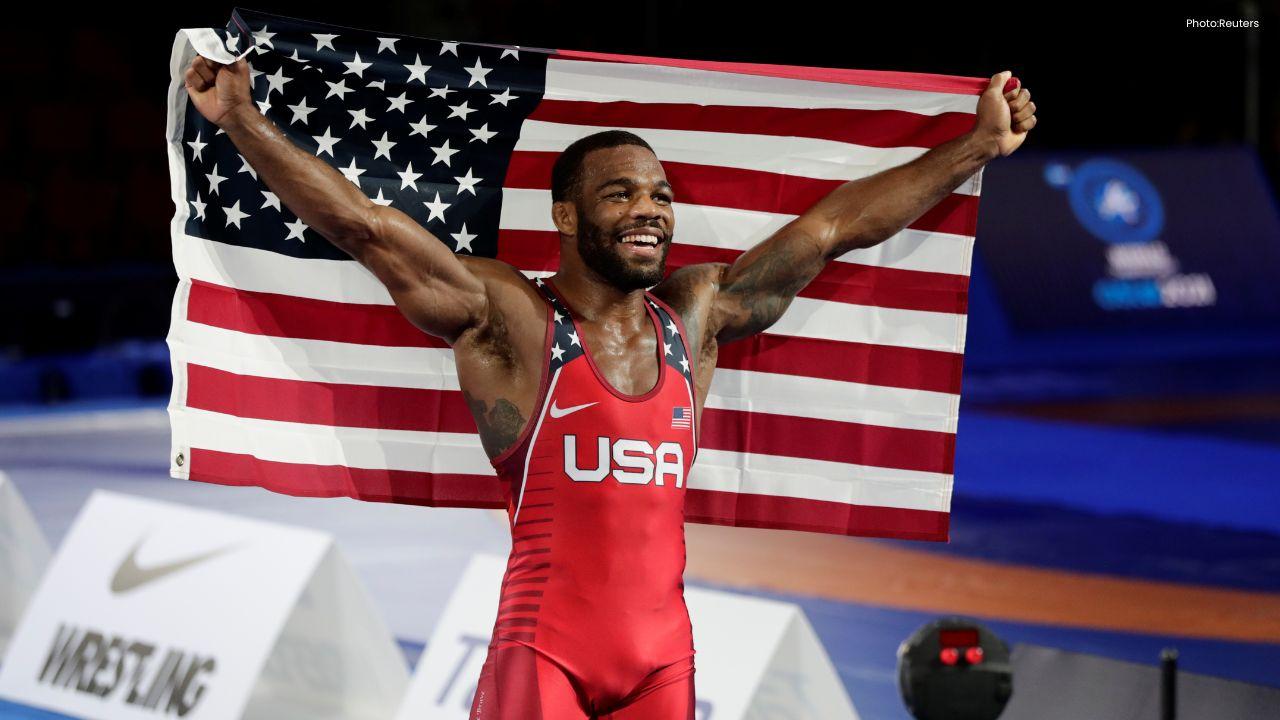
Jordan Burroughs Returns to Wrestling with 2028 Olympic Dream
Jordan Burroughs returns to wrestling with Real American Freestyle as the Olympic champion eyes a po

Lamborghini Catches Fire on Singapore's ECP, Causing Heavy Traffic
A Lamborghini caught fire on Singapore's ECP, causing heavy traffic and bus delays. No injuries were

Bangkok Airport Duty-Free Area Flooded by Pipe Burst
A burst water pipe flooded the duty-free shopping area at Bangkok's Suvarnabhumi Airport on July 16,
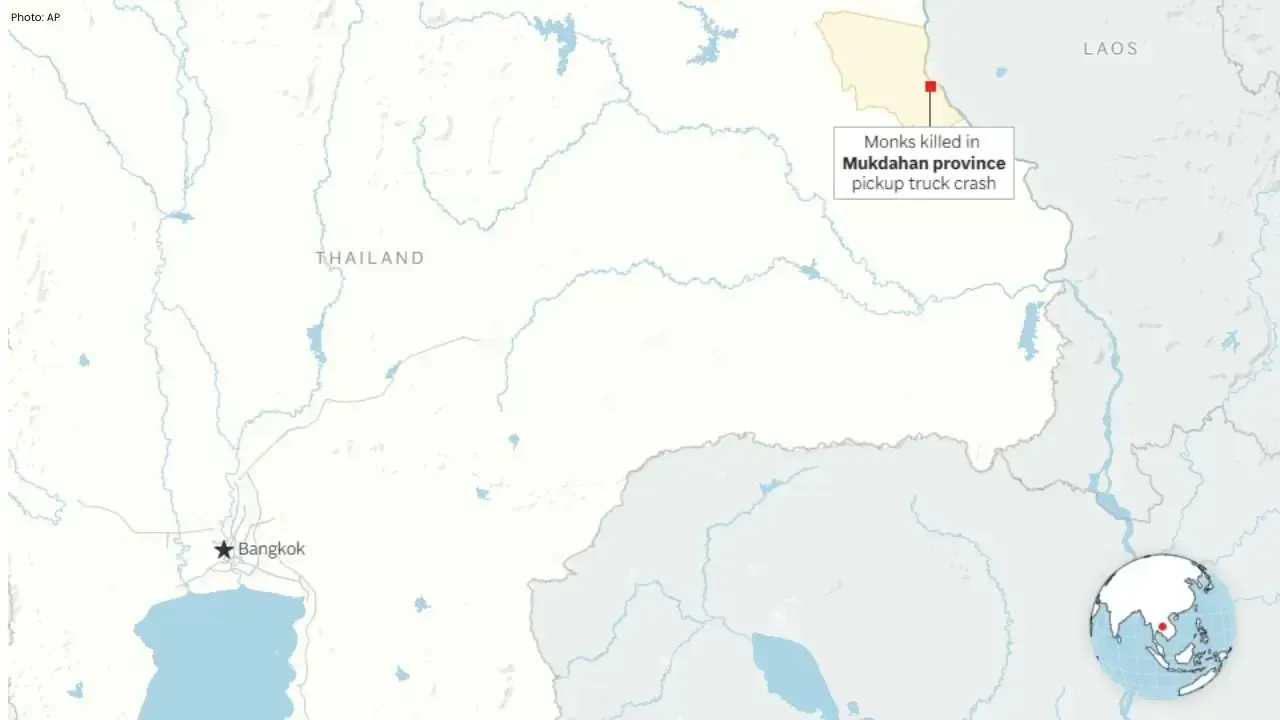
Nine Monks Killed in Thailand Pickup Truck Tragedy
An 11-year-old boy driving a pickup truck crashed into monks during a pilgrimage in northeastern Tha