You have not yet added any article to your bookmarks!
Join 10k+ people to get notified about new posts, news and tips.
Do not worry we don't spam!
Post by : Anis Farhan
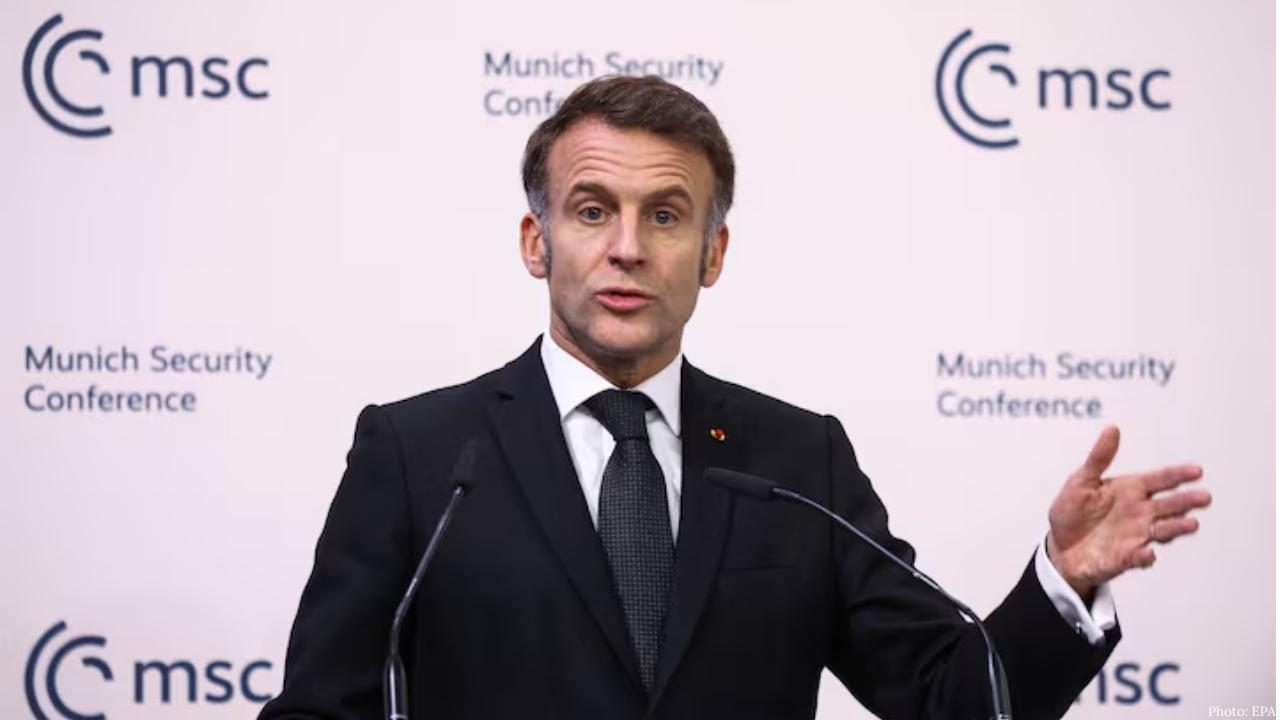
French President Emmanuel Macron used his platform at the 2026 Munich Security Conference to deliver a stark message: Europe must strengthen its geopolitical role on the global stage. With intensifying geopolitical tensions, particularly around Russia and the future of transatlantic alliances, Macron stressed that Europe can no longer rely solely on traditional diplomatic ties or Cold War-era security structures. Instead, he said, the continent must embrace strategic autonomy and develop capabilities that reflect modern global realities.
This call to action comes at a critical juncture. The war in Ukraine continues to strain Europe’s security outlook, while shifting American foreign policy has raised questions about the depth and scope of U.S. engagement with European defence. Against this backdrop, Macron’s remarks have reignited debates about whether Europe should pursue a more independent path in foreign and security policy — not as a challenge to existing alliances, but as a complement to them.
At the heart of Macron’s message was the belief that Europe must be prepared for a future marked by uncertainty. Even if there are peace negotiations over Russia’s war in Ukraine, he warned, Moscow will remain a long-term source of geopolitical tension. Thus, long-term strategic planning — beyond short-term diplomacy — was necessary.
Macron dismissed narratives that Europe was in decline, and instead framed this period as an opportunity for bold action. “This is the right time for audacity. This is the right time for a strong Europe,” he said, underscoring that Europe must develop its own strategic thinking rather than defaulting to legacy frameworks from the Cold War era.
One of the core elements of Macron’s vision involves reorganising Europe’s security architecture to better reflect contemporary geopolitical challenges. Although existing defence arrangements — notably through NATO — have served the continent for decades, Macron argued that they are increasingly outdated. This includes discussions on deep-strike capabilities and integration of nuclear deterrence strategies within a broader European security framework.
France’s own nuclear doctrine, Macron suggested, could play a role in a collective European defence posture, albeit one that respects national sovereignty and constitutional controls. These consultations have already begun with key partners, including Germany and the United Kingdom, aimed at developing a shared understanding of future threats and defence requirements.
Macron’s call for a stronger Europe does not imply severing ties with the United States or NATO — rather, it reflects a desire for European nations to contribute more proactively to shared security goals. Other European leaders have echoed similar sentiments at the Munich Security Conference. For example, German Chancellor Friedrich Merz stated that even the United States “is not powerful enough to go it alone,” emphasizing the need for renewed cooperation between Europe and its transatlantic partners.
The broader context includes efforts to nurture trust and collaboration between Europe and the U.S., even amid varying viewpoints on trade, defence, and global leadership roles. Rather than abandoning alliances, European leaders appear intent on reinforcing them while also building independent strategic tools to safeguard the continent’s interests.
Part of Macron’s argument centres on ensuring that Europe is not overly dependent on external actors for its security. Russian military actions — including its continuing conflict in Ukraine — serve as a reminder that geopolitical threats can be persistent and unpredictable. Macron said Europe must therefore work from its own interests and capacities, establishing mechanisms that are resilient and fit for purpose in the 21st century.
This includes countering disinformation campaigns and unrest that have targeted Western democracies in recent years, as well as addressing social and technological vulnerabilities that non-military actors have exploited. Macron made clear that strengthening internal cohesion is as important as developing military capabilities if Europe is to project power and protect its values.
Following his address, Macron has initiated consultations with European leaders to flesh out the idea of a more autonomous geopolitical role. These dialogues are meant to broaden the strategic debate and ensure that defence and security planning reflects the diverse interests and capacities of European nations.
Key partners in these discussions include Germany’s Chancellor Merz, who has himself engaged in dialogue with Macron about aligning nuclear deterrence doctrine and other aspects of military cooperation. While no formal agreements have yet been reached, the talks indicate an emerging willingness among some EU states to consider deeper collaboration on defence.
One of the challenges of building a geopolitical Europe lies in balancing national sovereignty with collective action. Each member state has its own historical, political, and strategic priorities, which can complicate unified decision-making. Macron’s approach aims to respect these differences while finding common ground on overarching strategic goals.
This balance will be crucial as Europe navigates issues that span military, economic and technological spheres — from nuclear deterrence to cyber security and critical infrastructure protection. A shared strategic framework could help streamline decision processes and align national policies with broader continental objectives.
Macron’s speech reflects a broader shift in how global power is conceived in the 21st century. With emerging challenges such as rising authoritarian influence, economic rivalries and shifts in global alliances, Europe’s traditional reliance on U.S. leadership is being reexamined. Macron’s emphasis on self-determination and autonomous strategy positions the EU and its member states to play a more assertive role in international affairs, beyond their historical economic influence.
This shift also aligns with increasing European engagement in matters like defence industry collaboration, joint procurement, and foreign policy coordination — areas where cooperation has nominally existed but lacked the urgency Macron is advocating.
Despite the momentum, significant hurdles remain. Diverging national interests, budgetary constraints, differing threat perceptions, and political fragmentation within the EU complicate the task of forging a unified geopolitical voice. Reaching a consensus on funding major defence initiatives, harmonising military doctrines and navigating internal political differences will test Europe’s ability to translate Macron’s vision into reality.
France’s president has made an ambitious plea for Europe to embrace a new strategic identity — one that balances its historical values with a readiness to shape outcomes on the global stage. Emmanuel Macron’s address at the Munich Security Conference has reinvigorated debate on Europe’s geopolitical future, highlighting both the necessity and the challenges of this transformation.
As Europe grapples with enduring threats, complex alliances and shifting global priorities, the discourse around geopolitical autonomy is likely to evolve further. Whether this vision can translate into concrete policy and collective action remains to be seen, but the conversation now underway marks a significant moment in Europe’s strategic journey.
This article is based on coverage of remarks made by French President Emmanuel Macron at the 2026 Munich Security Conference and associated analysis from reputable international reporting agencies. It has been independently written and does not reproduce copyrighted material from the original source
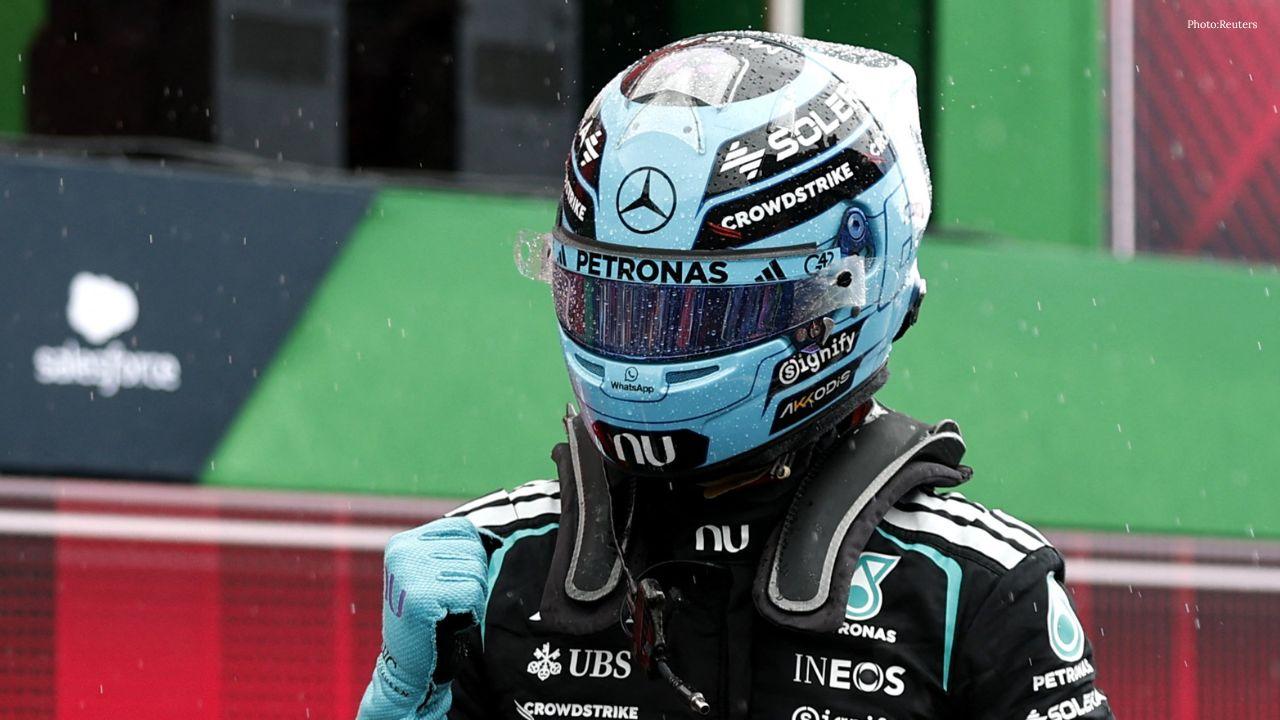

George Russell Wins Dutch GP Sprint, Boosts Mercedes Morale
George Russell wins the Dutch GP Sprint from pole as Mercedes teammate Kimi Antonelli extends his F1

Australia 50/3 After Bangladesh Bowled Out for 64 in Second Test
Australia reached 50/3 after Bangladesh were bowled out for 64 in the second Test, with Mitchell Sta

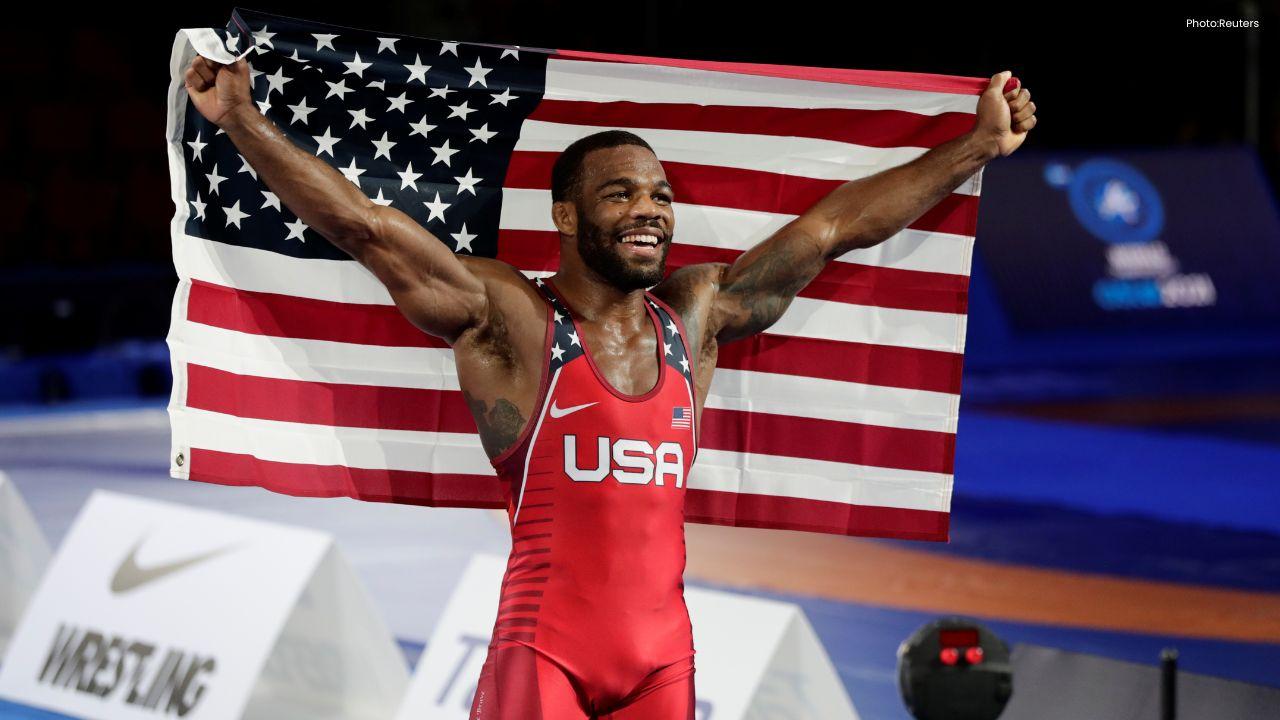
Jordan Burroughs Returns to Wrestling with 2028 Olympic Dream
Jordan Burroughs returns to wrestling with Real American Freestyle as the Olympic champion eyes a po
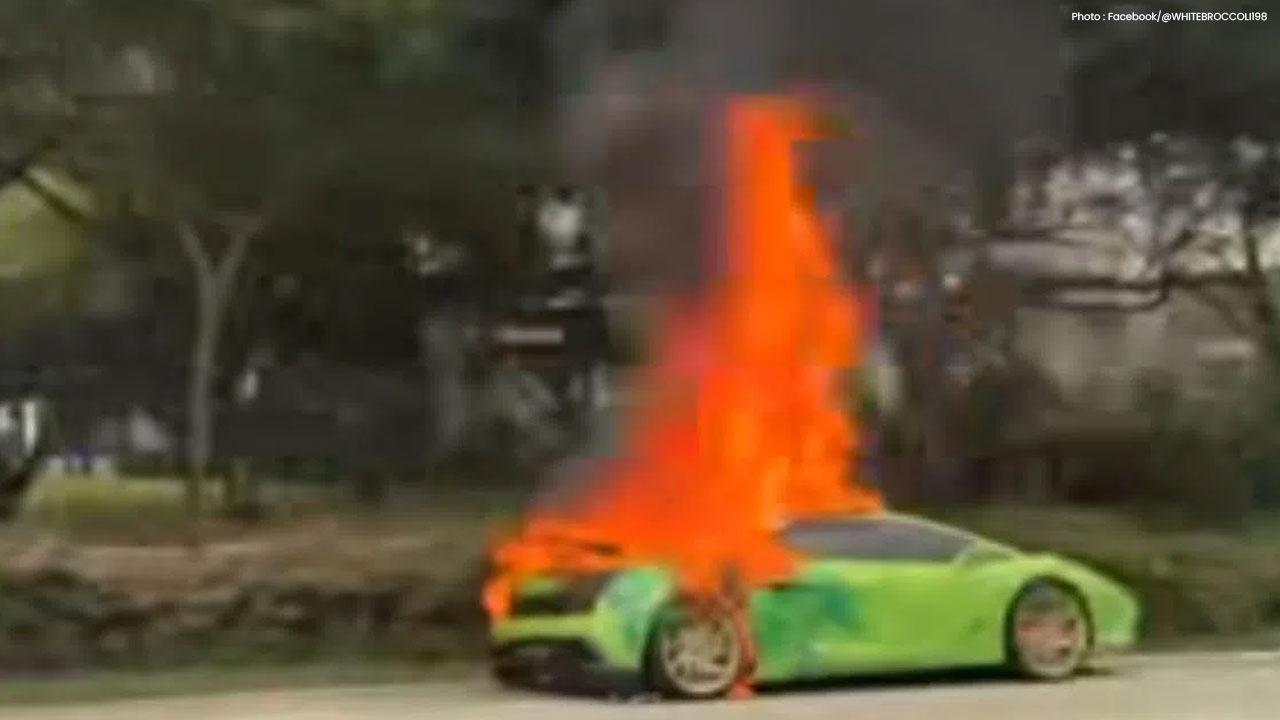
Lamborghini Catches Fire on Singapore's ECP, Causing Heavy Traffic
A Lamborghini caught fire on Singapore's ECP, causing heavy traffic and bus delays. No injuries were
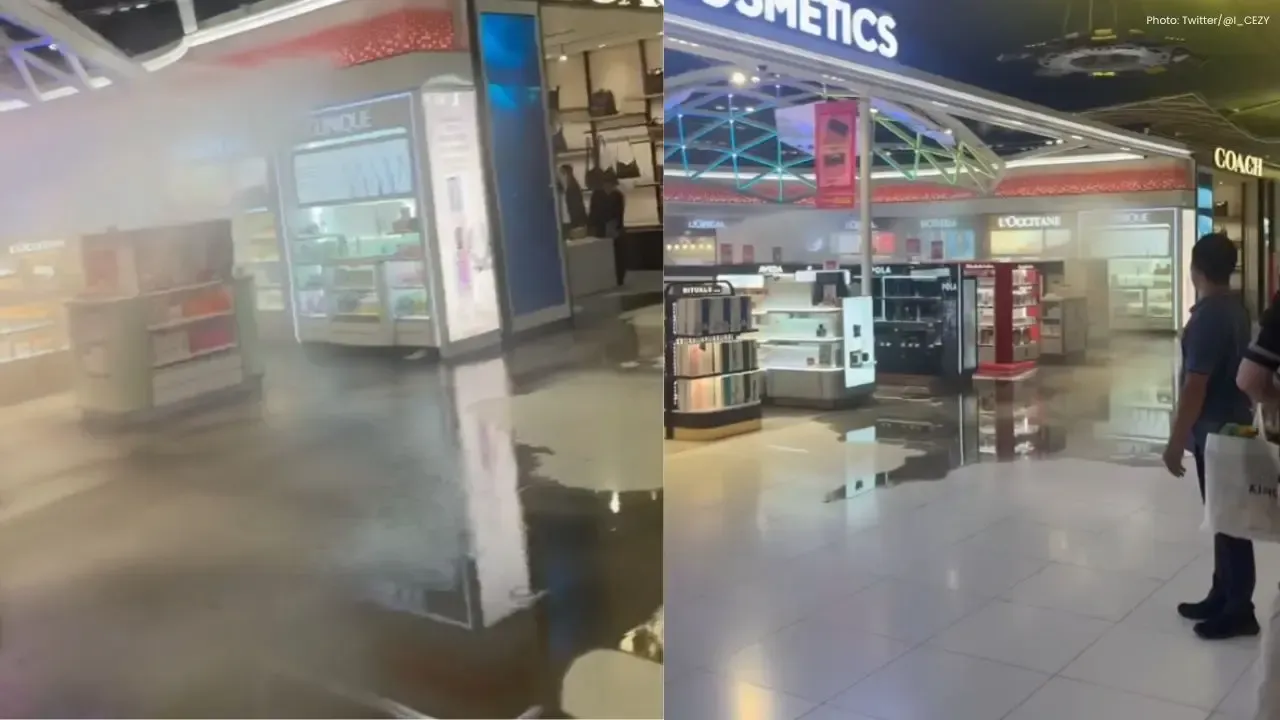
Bangkok Airport Duty-Free Area Flooded by Pipe Burst
A burst water pipe flooded the duty-free shopping area at Bangkok's Suvarnabhumi Airport on July 16,
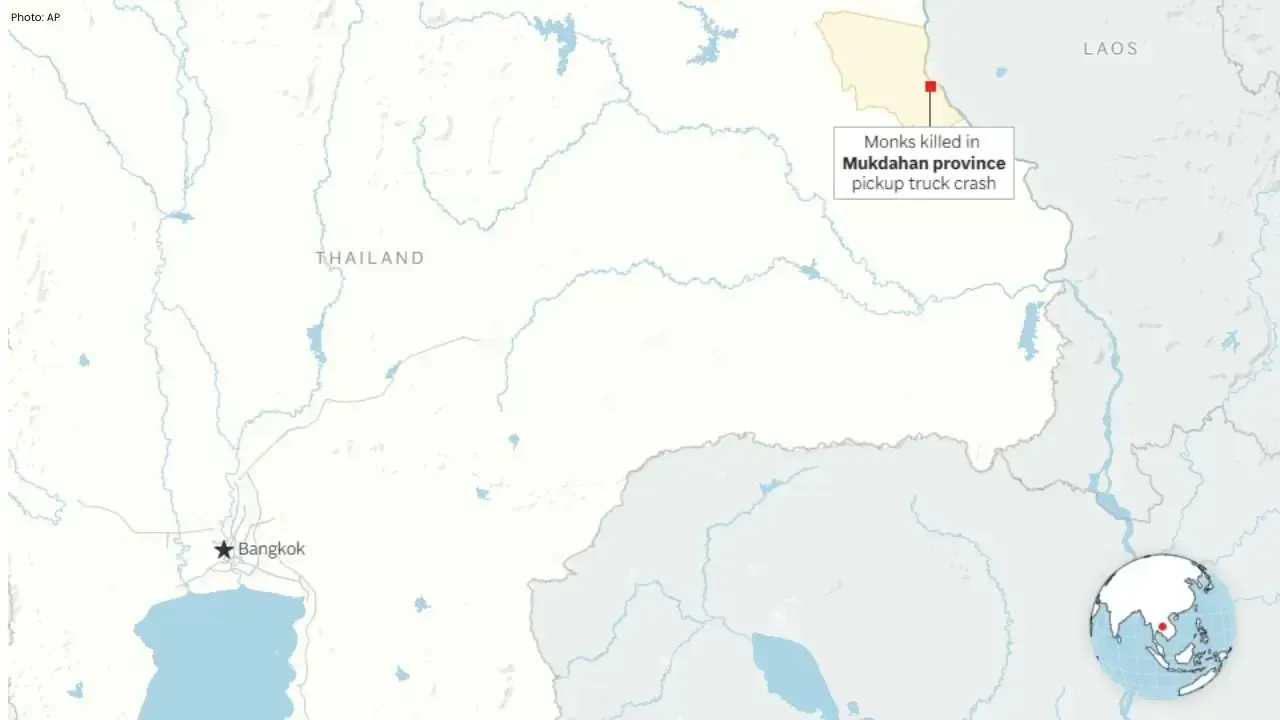
Nine Monks Killed in Thailand Pickup Truck Tragedy
An 11-year-old boy driving a pickup truck crashed into monks during a pilgrimage in northeastern Tha