You have not yet added any article to your bookmarks!
Join 10k+ people to get notified about new posts, news and tips.
Do not worry we don't spam!
Post by : Anis Farhan
In the wake of years of intense warfare between Israel and Hamas, Palestinians in the Gaza Strip are confronting not only the human toll of conflict but also the devastation of their cultural, religious and historic heritage. Across this narrow, densely populated territory, centuries-old mosques, archaeological sites, palaces and monuments — physical connections to generations of history — have been severely damaged or reduced to rubble. Efforts are now underway by scholars, local officials and volunteers to salvage what remains of Gaza’s cultural memory, even as rebuilding the territory itself faces extraordinary challenges.
The loss goes beyond bricks and stones. It represents an erosion of collective identity, shared memory and cultural continuity — elements that many Palestinians say are as vital as the struggle for self-determination itself.
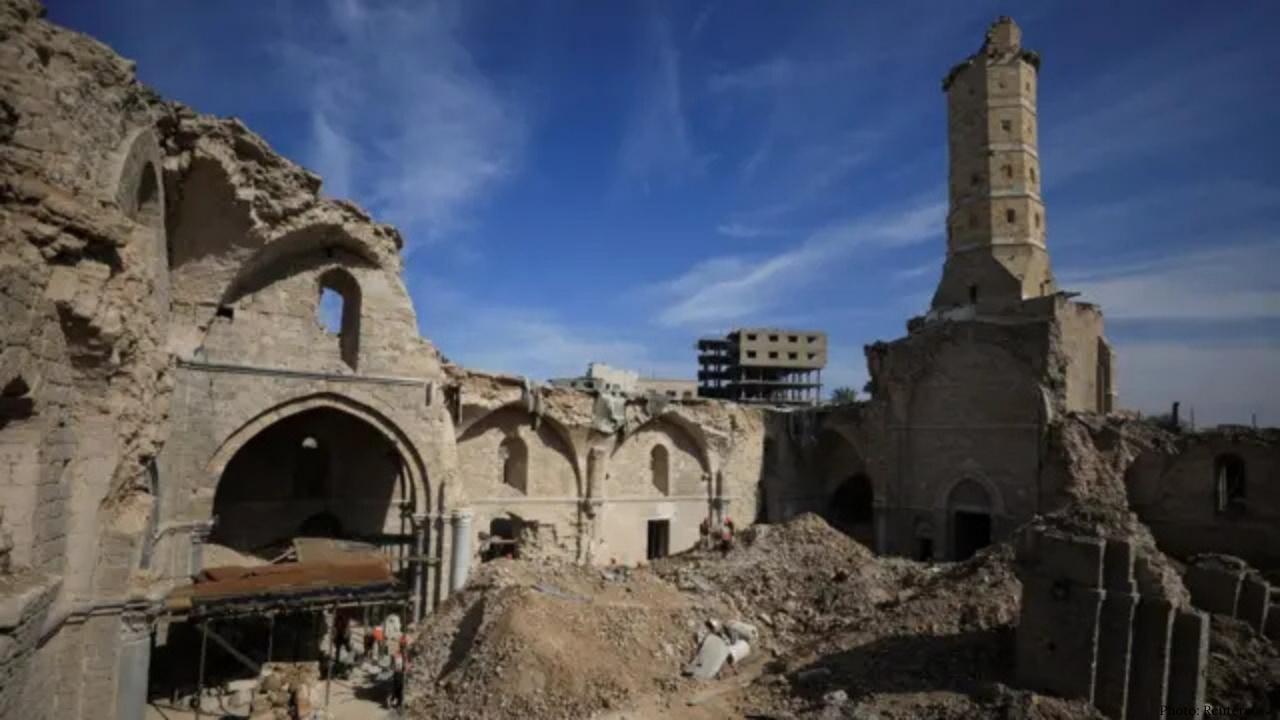
Many of Gaza’s historic landmarks — mosques, churches, palaces and ancient structures — have been damaged during military operations. Among the most prominent is the Great Omari Mosque in Gaza City, originally a Byzantine church before becoming one of the oldest Islamic shrines in the region. Once a symbol of Gaza’s layered history, only traces now remain amid collapsed walls and scattered stones.
UNESCO and cultural heritage observers have verified damage to at least 150 heritage sites, including religious buildings, historic houses and archaeological locations. These include sites of centuries-old significance such as the Pasha Palace and other monuments tied to Gaza’s rich history of trade, empire and cultural exchange.
Historians emphasize that such losses represent more than architectural destruction — they signify the erasure of physical evidence that links modern Gazans to centuries of cultural development and community life.
For many Palestinians, the destruction of historic sites is deeply personal. These structures — places of worship, community gathering and historical continuity — bear witness to centuries of multicultural influences, including Byzantine, Crusader, Mamluk and Ottoman eras. Their loss, residents say, severs connections not just to landmark buildings, but to the very roots of community and identity.
Heritage consultant Muneer Elbaz described witnessing the first visits to the Omari Mosque with his family as a beloved memory — a connection to past generations that is now threatened by the pervasive destruction.
With full-scale restoration and reconstruction stalled by ongoing blockades, political impasse and economic stagnation, teams have embarked on a race to recover artifacts, documents and architectural fragments from destroyed sites. Workers, archaeologists and volunteers have sifted through rubble, documenting what remains and safeguarding what they can for future preservation.
At the Pasha Palace, researchers have been searching for missing artifacts — some centuries old — amid damaged walls and scattered remnants. Reports indicate that medieval jewelry, Roman sarcophagi fragments and Ottoman-era manuscripts were among the objects once housed there, many now lost or looted before recovery efforts could take place.
These preservation efforts face extraordinary challenges. The sheer scale of destruction means that salvage teams often work amid unstable structures, ruined infrastructure and limited access to resources. Reconstruction is further hindered by blockade-related restrictions on supplies and materials, making it difficult to transport essential equipment and tools into the territory.
Moreover, there are debates over the circumstances of the damage. The Israeli military has occasionally attributed destruction near heritage sites to militant tunnelling or military targets. However, independent observers and a U.N.-linked commission have noted a lack of publicly available evidence linking such structures to combat operations, raising concerns about the proportionality and legality of some strikes.
The Gaza Strip has long stood as a crossroads of civilizations. From Roman ports and Byzantine churches to Ottoman mosques and Crusader fortifications, the area reflects a rich tapestry of ancient influences. Sites such as the Ard-al-Moharbeen necropolis — once an expansive Roman cemetery — show the deep historical roots embedded in Palestinian lands. Unfortunately, archaeological efforts were cut short by the outbreak of war, and many such sites have now been degraded.
Similarly, museums like the Al Qarara Cultural Museum, which once showcased thousands of artifacts dating as far back as 4000 BC, have been destroyed or damaged in past military operations — further eroding institutional frameworks for preserving history.
The scale of damage to Gaza’s cultural heritage has drawn international attention. UNESCO has repeatedly emphasised the importance of protecting cultural property during conflicts under international law. Satellite imagery and assessments confirm widespread impact on historical sites, leading some organisations to describe the destruction as tantamount to cultural genocide — the deliberate elimination of physical symbols of a people’s heritage.
These concerns are compounded by many sites being not just local landmarks, but parts of world heritage that have stood for millennia, connecting human histories across religions, empires and communities.
The cultural losses occur against a backdrop of sustained human suffering. Despite a fragile ceasefire that took effect in late 2025, violence and instability continue to affect civilian life across the Gaza Strip. Recent reports indicate periodic strikes have killed dozens of people, including civilians, and medical evacuations remain limited at border crossings.
Families continue to struggle with the aftermath of prolonged conflict, losses of loved ones and the destruction of homes. This deepens the emotional resonance of heritage loss, as survivors grapple with rebuilding both physical space and the memory of community life.
As salvage operations persist, heritage experts and community leaders advocate for long-term restoration plans that go beyond immediate recovery. Protecting archaeological sites, documenting surviving structures and preserving what remains of artifacts can bolster future reconstruction and strengthen collective memory.
Plans include cataloguing remnants of religious and historic sites, training local conservators and engaging international preservation organisations to support recovery initiatives. These efforts aim to safeguard a tangible record of Gaza’s vibrant past for future generations.
For many Palestinians, cultural heritage represents more than ancient history — it embodies continuity, resilience and identity. Preserving these sites provides a connection to generations past and reaffirms a sense of belonging to the land amid ongoing political uncertainty.
Even amidst destruction, efforts to salvage and protect heritage reflect steadfast commitment to cultural survival — an assertion that a people’s history cannot be erased, even during war.
The struggle to salvage Gaza’s historic and religious heritage after years of conflict with Israel and Hamas is both a testament to loss and a compelling story of resilience. As communities and specialists work to recover what they can, the effort highlights the profound importance of cultural identity in times of widespread devastation. Beyond the immediate need to rebuild physical structures, preserving Gaza’s heritage offers a foundation for healing and continuity that transcends the current cycle of violence — a reminder that history itself is a resource worth protecting.
This article is based on verified reporting and assessments of cultural heritage damage in the Gaza Strip amid conflict between Israel and Hamas. It has been independently written and does not reproduce copyrighted text from the original Associated Press source.








George Russell Wins Dutch GP Sprint, Boosts Mercedes Morale
George Russell wins the Dutch GP Sprint from pole as Mercedes teammate Kimi Antonelli extends his F1

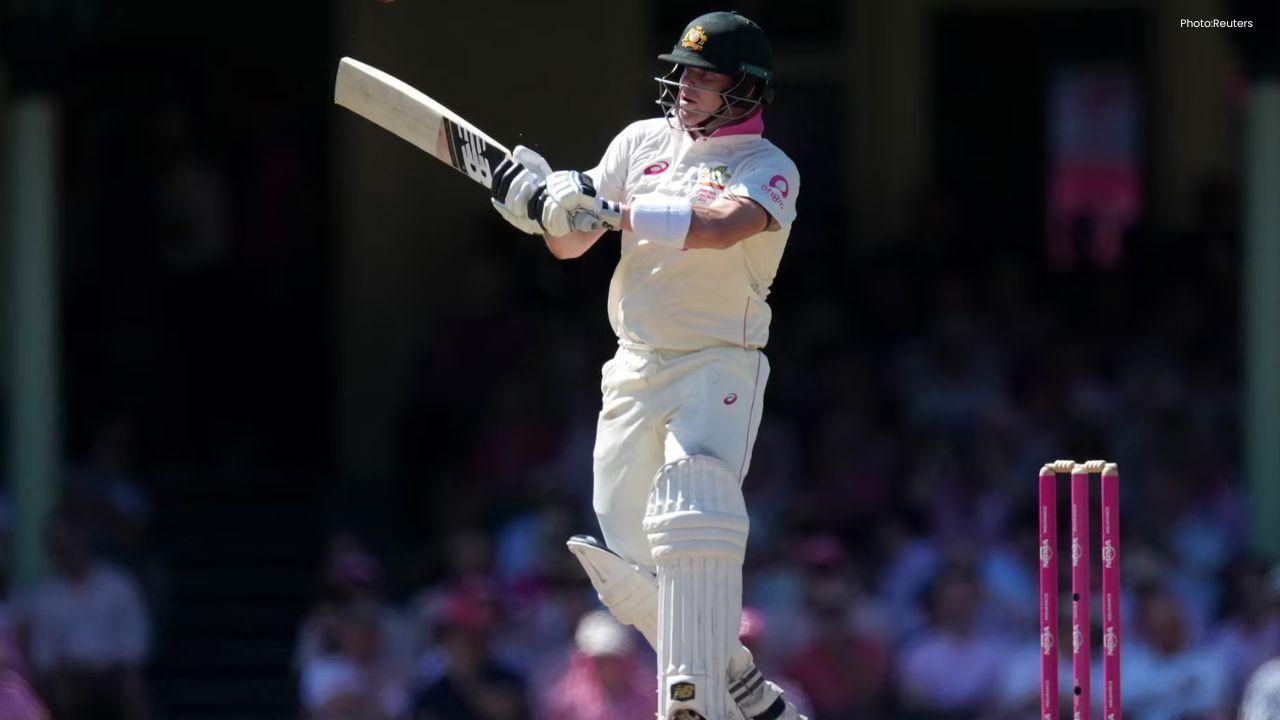
Australia 50/3 After Bangladesh Bowled Out for 64 in Second Test
Australia reached 50/3 after Bangladesh were bowled out for 64 in the second Test, with Mitchell Sta

Jordan Burroughs Returns to Wrestling with 2028 Olympic Dream
Jordan Burroughs returns to wrestling with Real American Freestyle as the Olympic champion eyes a po
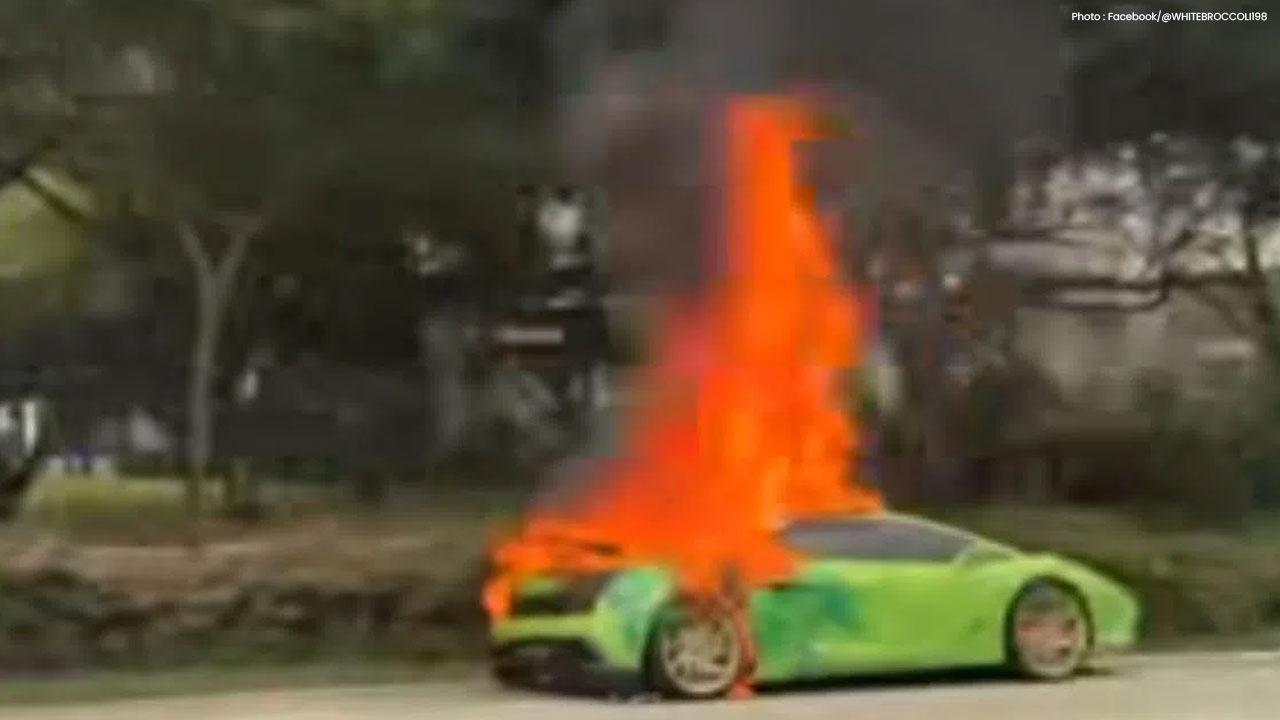
Lamborghini Catches Fire on Singapore's ECP, Causing Heavy Traffic
A Lamborghini caught fire on Singapore's ECP, causing heavy traffic and bus delays. No injuries were

Bangkok Airport Duty-Free Area Flooded by Pipe Burst
A burst water pipe flooded the duty-free shopping area at Bangkok's Suvarnabhumi Airport on July 16,
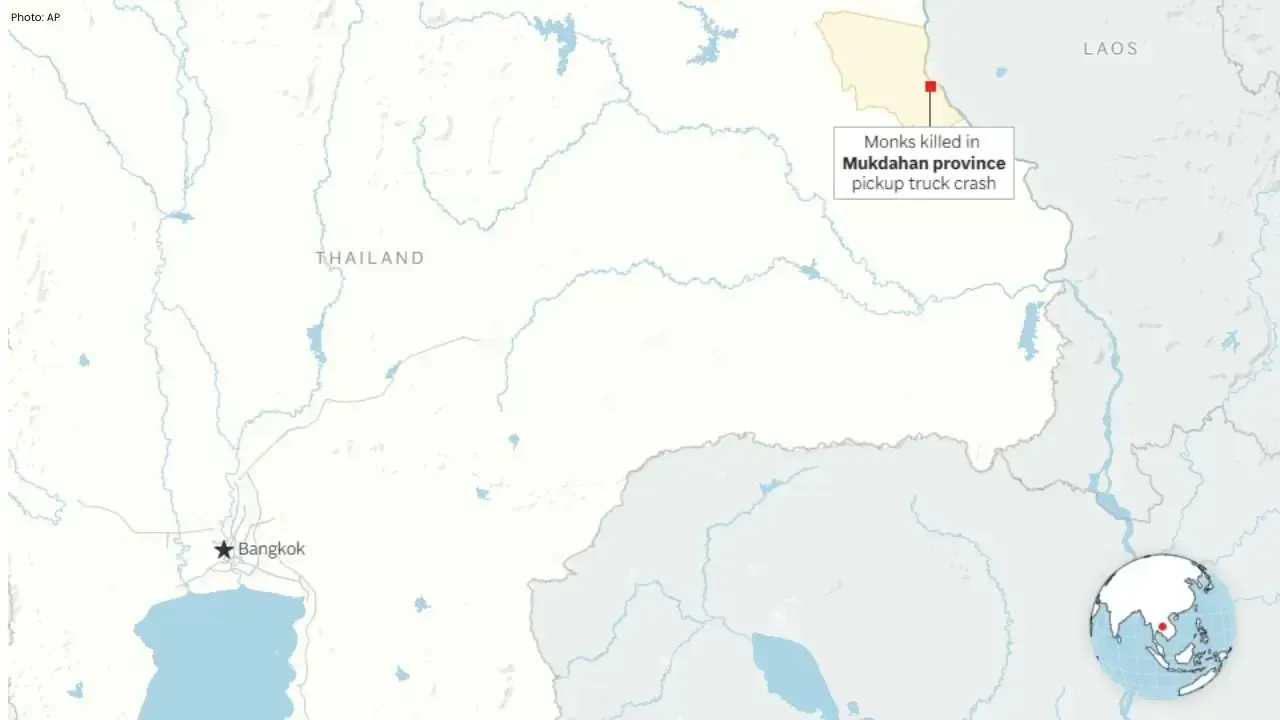
Nine Monks Killed in Thailand Pickup Truck Tragedy
An 11-year-old boy driving a pickup truck crashed into monks during a pilgrimage in northeastern Tha