
You have not yet added any article to your bookmarks!
Join 10k+ people to get notified about new posts, news and tips.
Do not worry we don't spam!

Post by : Samjeet Ariff
Grasping your optimal protein intake is crucial for building muscle, shedding fat, or sustaining a healthy weight. Many individuals either consume insufficient protein, hindering their progress, or too much, resulting in unnecessary calorie consumption. Your recommended intake varies based on body weight, activity level, and specific fitness objectives. This guide outlines how to calculate the precise amount of protein your body requires and how to effectively utilize it for muscle development and weight management.
Protein serves as the foundational element for muscles, enzymes, hormones, as well as hair and skin. A deficiency in protein can impede tissue repair, recovery after exercise, and the upkeep of lean muscle mass.
Promotes muscle growth and repair.
Enhances metabolism via the thermic effect of food.
Mitigates appetite by ensuring prolonged satiety.
Preserves lean muscle during weight loss.
Accurately calculating your protein needs can boost both health and performance.
A common method to determine protein intake is by assessing body weight.
For the average adult, consuming 0.8 to 1 gram per kilogram supports basic health.
Active individuals typically need between 1.2 to 1.6 grams per kilogram for optimal performance.
For muscle hypertrophy and strength training, a range of 1.6 to 2.2 grams per kilogram is advised.
For a 70 kg individual aiming for muscle gain, the calculation would be 70 × 1.8 = 126 grams of protein daily.
This method is effective as it accommodates various fitness aspirations.
Your activity level plays a significant role in determining your protein requirement.
A range of 0.8 to 1.1 grams per kilogram is appropriate, given minimal muscle stress.
Light exercise sessions or recreational sports necessitate 1.2 to 1.4 grams per kilogram.
Engaging in strength training, rigorous sports, or endurance activities calls for 1.6 to 2.2 grams per kilogram.
Increased training translates to higher protein demands for muscle growth and recovery.
When in a calorie deficit, protein becomes even more vital, as this state can lead to muscle loss.
A target of 1.4 to 1.8 grams per kilogram is advisable; this helps retain lean muscle and enhance fullness.
Decreases cravings.
Boosts calorie expenditure via digestion.
Enhances satiety, simplifying dieting.
This aids in losing fat while preserving muscle definition.
For effective muscle construction, it's essential to maintain both adequate protein intake and a slight caloric surplus.
1.6 to 2.2 grams per kilogram.
Muscle synthesis escalates post-resistance training.
Protein facilitates recovery and strength enhancements.
Higher intake guarantees a steady supply of amino acids for muscle repair.
Athletes and bodybuilders commonly follow this range for effective hypertrophy support.
If you're overweight or have high body fat, basing protein requirements solely on total weight might yield inflated results.
Utilize lean body mass (LBM) for calculations instead of total weight.
Lean Body Mass = Total Body Weight – Fat Weight
Protein Intake = 2.2 grams × LBM
This prevents overestimation of your intake, ensuring you receive exactly what you require.
The timing and distribution of protein intake are as essential as the overall amount consumed.
Target 25 to 35 grams per meal.
Incorporate protein in snacks to prevent muscle tissue breakdown.
Post-workout protein consumption can expedite recovery.
Spreading protein intake throughout the day enhances efficiency compared to large doses at once.
Not all protein sources are equal in quality.
Animal-derived proteins, eggs, dairy, fish, and poultry contain all essential amino acids.
Soy, quinoa, beans, lentils, chickpeas, and pea protein powders can fulfill your requirements.
By combining various plant proteins throughout the day, you ensure adequate balance of amino acids.
Follow these straightforward steps:
Are you aiming for muscle gain, fat loss, or maintenance?
Select the relevant protein range based on your activity.
Your weight in kilograms × the chosen protein range.
Include whole foods and, if necessary, supplements.
This formula allows anyone to determine their precise protein requirements with ease.
High-protein diets are generally safe for healthy individuals.
Digestive discomfort, elevated calorie intake, dehydration, or stress for individuals with existing kidney conditions.
As long as you remain within scientifically recommended limits, protein consumption is beneficial.
Body weight: 70 kg
Recommended intake: 1.8 grams
Total: 126 grams per day.
Body weight: 80 kg
Recommended intake: 1.6 grams
Total: 128 grams per day.
Body weight: 65 kg
Recommended intake: 1.2 grams
Total: 78 grams per day.
These illustrations clarify how protein requirements can differ based on goals and activity levels.
Determining your true protein needs becomes straightforward once you comprehend your objectives, activity level, and body composition. Sufficient protein intake plays a significant role in muscle development, fat reduction, strength improvement, and overall health. By applying the formulas provided and ensuring consistent intake through balanced meals, you can enhance your body's performance and achieve quicker results. Whether you're engaged in rigorous training or attempting to maintain good health, appropriate protein intake remains a powerful ally.
This article serves solely as general informational content and should not be considered medical, nutritional, or professional fitness advice. Protein requirements can vary based on health status, activity levels, and dietary preferences. It is advisable to consult with a certified nutritionist, dietitian, or healthcare professional prior to making any substantial dietary changes.
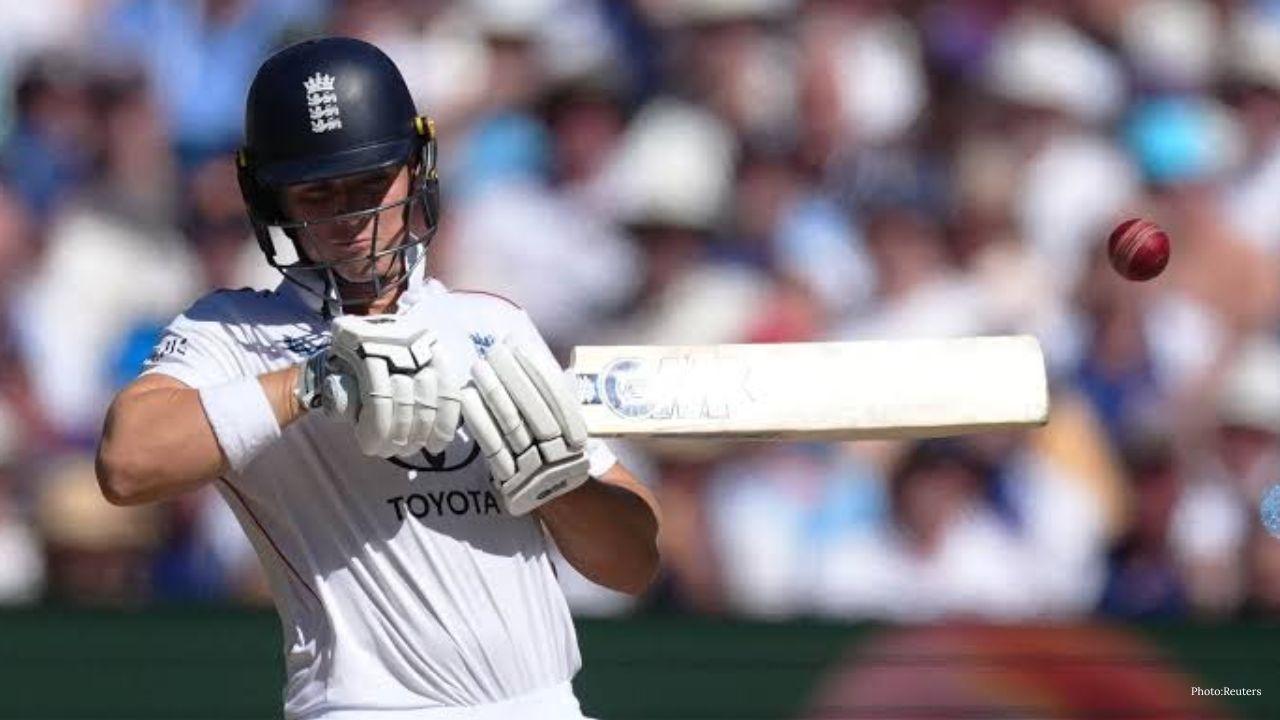








Jacob Bethell Returns as England Name Squads for Australia Tour
England name ODI and T20 squads for the Australia tour, with Jacob Bethell returning from injury and

Beauden Barrett Opens Up About Mental Struggles During All Blacks Exile
Beauden Barrett discusses his confidence struggles after missing six tests, his return against Austr
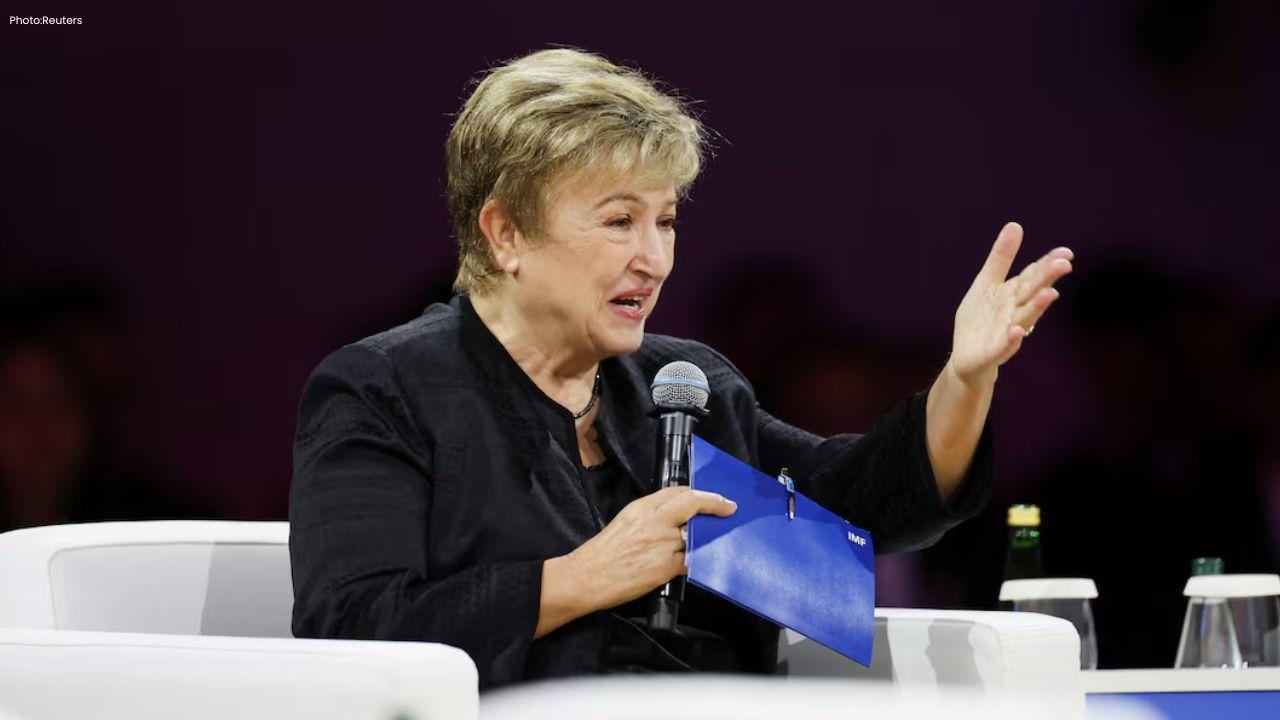
IMF Says AI Investment Supports Global Growth Despite Energy Shock
IMF says AI investment is supporting global growth near 3%, with Asian economies benefiting from ris

Will O'Rourke Ruled Out of New Zealand's India Series
New Zealand fast bowler Will O'Rourke will miss the India series with hamstring and calf injuries as

AI Companies Expected to Drive Most US Earnings Growth in Q3
AI companies are expected to drive US third-quarter earnings growth as investors assess tech profits

Money Market Funds See Record Inflows as Global Bond Selloff Intensifies
Global money market funds attract $153.81 billion as bond yields rise, inflation fears persist and i

