
You have not yet added any article to your bookmarks!
Join 10k+ people to get notified about new posts, news and tips.
Do not worry we don't spam!
Post by : Rohit Dhiman
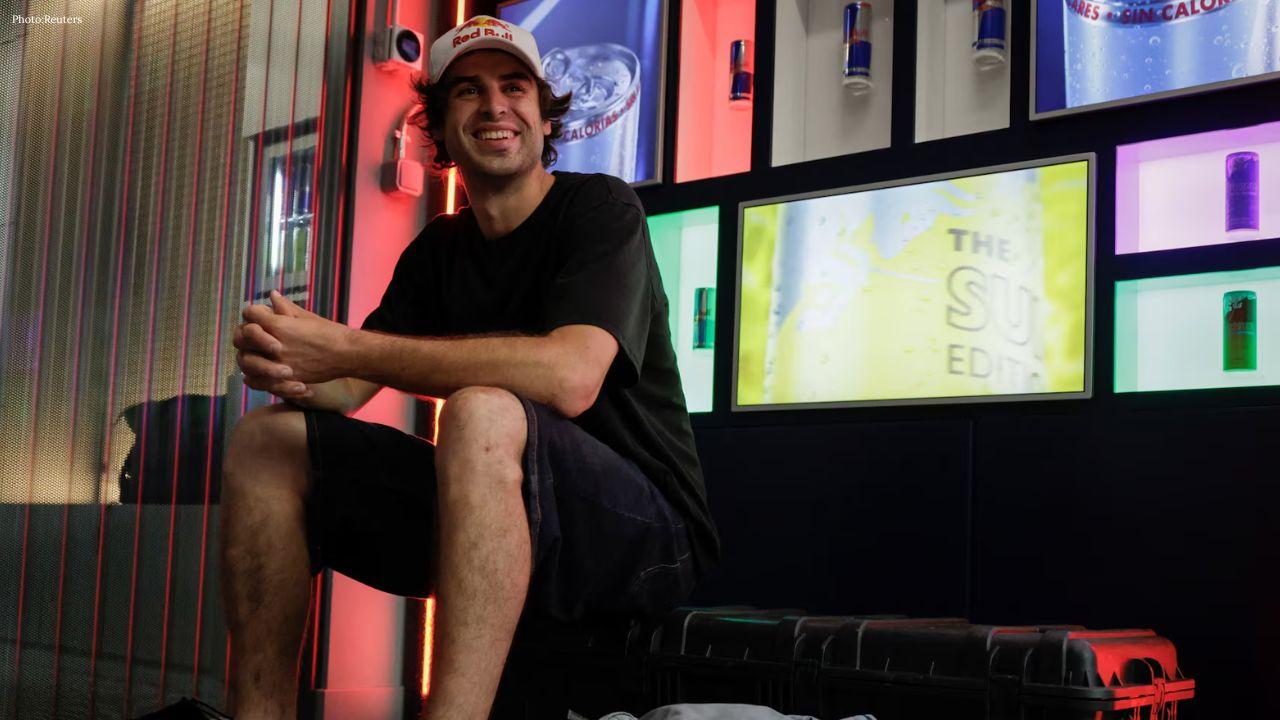
Spanish downhill skateboarder Diego Poncelet has achieved a remarkable milestone in extreme sports by reaching 151.83 kilometres per hour on a skateboard, setting a new world speed record. The 27-year-old athlete accomplished the feat on September 22, 2026, on a challenging road in Canada, surpassing the previous benchmark that had stood for nine years. Poncelet's achievement is the result of years of preparation, technical planning and a determination to push the limits of downhill skateboarding. A two-time world champion, he had a specific target in mind: to reach 150 km/h while riding a skateboard without using brakes. His successful attempt took place on Route 362 in Les Éboulements, a location approximately two hours northeast of Quebec City. The steep road, which descends towards the St. Lawrence River, offered the kind of terrain needed for an attempt at extreme speed. However, its difficult surface and demanding layout also made the challenge particularly dangerous. The record has brought attention to downhill skateboarding, a discipline in which athletes descend steep roads at extraordinary speeds while relying on balance, body positioning, specialised equipment and precise control.
Before Poncelet's achievement, the standing record was 146.73 km/h, set by British downhill skateboarder Pete Connolly on the same Canadian road nine years earlier. Poncelet reached 151.83 km/h, exceeding the previous mark by 5.10 km/h. Although that difference may appear modest, maintaining control at such speeds requires exceptional preparation and concentration. The Spanish athlete explained that simply beating the existing record was not enough for him. His personal ambition was to cross the 150 km/h threshold, a target that had motivated him throughout the preparation process. The successful run represented the culmination of a project that had taken approximately four years to develop. During that period, he searched for a suitable road with the right gradient and conditions to make the attempt possible. Finding the correct location proved difficult. A road capable of supporting such a high-speed descent must offer a sufficiently steep slope, a suitable route and conditions that allow the athlete to complete the run. Even small imperfections can become significant hazards when a skateboard is travelling at more than 100 km/h.
Route 362, located in Les Éboulements in Quebec, became the setting for Poncelet's record-breaking descent. Its steep gradient makes it capable of generating the speed required for an ambitious downhill skateboarding attempt. However, the road also presented serious challenges. Poncelet had concerns about cracks, potholes and deterioration of the surface, which raised questions about whether it remained suitable for a record attempt. The route's layout added another layer of difficulty. During the descent, the road appears to disappear from view at certain points, leaving the rider with a demanding combination of speed, terrain changes and limited visual information. Poncelet described the experience of travelling at around 110 km/h before reaching a section where the road seemed to vanish and the St. Lawrence River dominated the view ahead.
Poncelet used a specially designed skateboard weighing approximately 14 kilograms for the record attempt. The equipment was prepared for the particular demands of high-speed downhill riding. His footwear was also adapted for the challenge, with soles made from car-tyre rubber. Equipment choices are especially important in speed skateboarding, where even small changes in stability, friction and body position can influence the rider's performance. During ordinary downhill runs, Poncelet typically uses plastic slide pucks attached to his gloves. These allow him to make controlled contact with the road surface and help regulate his speed during appropriate manoeuvres. For this particular record attempt, however, he did not have the option of braking in the usual way. The equipment and conditions meant that once the descent began, he had to continue towards the bottom at high speed. At these velocities, attempting to brake abruptly could destabilise the skateboard and send the rider off balance. The decision therefore demanded extensive preparation and an understanding of the risks involved.
Downhill skateboarding at record speeds presents a very different challenge from ordinary recreational skateboarding. At 151.83 km/h, a rider covers more than 42 metres every second. This leaves very little time to react to unexpected changes in the road. A pothole, crack, sudden bend or loss of stability could have serious consequences. Air resistance, vibrations and small movements can also become more difficult to manage as speed increases. The rider must maintain a stable position while remaining aware of the road and anticipating changes in the terrain. For Poncelet, the Canadian route was particularly demanding because of its steepness and sections where the road surface became difficult to see ahead. His inability to use conventional braking equipment during the record attempt made the descent even more mentally challenging.
While the physical and technical aspects of the achievement are significant, Poncelet also highlighted the mental demands of the descent. The athlete described entering a state of intense concentration in which he felt able to let his subconscious take control. He compared the experience to a form of meditation in which every movement and decision must remain focused on the task. This mental state can be especially important in high-risk sports. Fear, hesitation or a sudden distraction can affect decision-making, while excessive tension may interfere with smooth body movements. Poncelet's description suggests that years of preparation helped him develop the confidence and concentration needed to attempt the record. However, mental focus does not eliminate the physical dangers associated with travelling at such extreme speeds. His experience illustrates the combination of discipline, technical preparation and psychological control required to compete at the highest level of downhill skateboarding.
Poncelet's record attempt did not happen overnight. He spent four years working towards the goal, searching for a suitable location and assessing whether the conditions would support the required speed. The search for the right road was one of the biggest obstacles. A steep gradient alone was not enough; the route also needed to be appropriate for a sustained descent and a technically demanding run. Route 362 ultimately offered the opportunity he had been seeking, despite concerns about its surface condition. The successful attempt on September 22 demonstrated that his long-term planning had resulted in a new benchmark for the sport. At 27, Poncelet has already established himself as a two-time world champion. His latest achievement adds another major milestone to his career and places his name among the leading figures in high-speed downhill skateboarding. The record also demonstrates how athletes in niche extreme sports continue to explore the limits of performance through specialised equipment, detailed preparation and carefully planned attempts.
Read Also: Hyundai Recalls 94,622 US Vehicles Over Potential Fire Risk
The achievement of 151.83 km/h represents a significant moment for world speed record competition in downhill skateboarding. By surpassing Connolly's 146.73 km/h mark, Poncelet has raised the benchmark that future record attempts will seek to challenge. Records of this kind depend on more than raw speed. The road's gradient, surface condition, equipment design, rider technique and the circumstances of the attempt all play important roles. Poncelet's run also illustrates the increasingly technical nature of extreme sports, where athletes combine experience and specialised preparation to pursue performance levels that were once considered difficult to achieve. Although the record is an individual accomplishment, it may also draw greater attention to downhill skateboarding and the challenges faced by athletes who compete in the discipline. For fans, the achievement offers a striking example of human ambition and technical skill. For aspiring riders, it is also a reminder that professional record attempts involve risks that should never be underestimated.
Athlete: Diego Poncelet of Spain.
Age: 27.
Record speed: 151.83 km/h.
Date of record attempt: September 22, 2026.
Location: Route 362, Les Éboulements, Quebec, Canada.
Previous record: 146.73 km/h, set by Pete Connolly nine years earlier.
Skateboard weight: Approximately 14 kilograms.
Career achievement: Two-time world champion.
Diego Poncelet has set a new benchmark in high-speed downhill skateboarding by reaching 151.83 km/h on a challenging road in Quebec, Canada. His achievement surpasses the previous world record of 146.73 km/h and fulfils his personal ambition of travelling at more than 150 km/h without conventional braking. The record was the result of four years of preparation, specialised equipment and a demanding attempt on Route 362. It also highlights the physical and psychological challenges involved in a sport where road conditions, balance and concentration can make a critical difference. Poncelet's performance is a major milestone for extreme sports and speed skateboarding, but the dangers of such attempts remain substantial. His record stands as an example of the preparation and technical skill required to push the limits of downhill performance.









Spain's Diego Poncelet Sets Skateboarding World Speed Record
Spain's Diego Poncelet reaches 151.83 km/h in a record-breaking downhill skateboard run in Canada, s

Hyundai Recalls 94,622 US Vehicles Over Potential Fire Risk
Hyundai recalls 94,622 US vehicles over overheating seat motors. Check affected Genesis models, fire

Nvidia Pledges $250 Million for UK AI Safety Research
Nvidia will provide $250 million in computing resources over five years to support AI safety researc

Jacob Bethell Returns as England Name Squads for Australia Tour
England name ODI and T20 squads for the Australia tour, with Jacob Bethell returning from injury and

Beauden Barrett Opens Up About Mental Struggles During All Blacks Exile
Beauden Barrett discusses his confidence struggles after missing six tests, his return against Austr

IMF Says AI Investment Supports Global Growth Despite Energy Shock
IMF says AI investment is supporting global growth near 3%, with Asian economies benefiting from ris

