
You have not yet added any article to your bookmarks!
Join 10k+ people to get notified about new posts, news and tips.
Do not worry we don't spam!
Post by : Rohit Dhiman
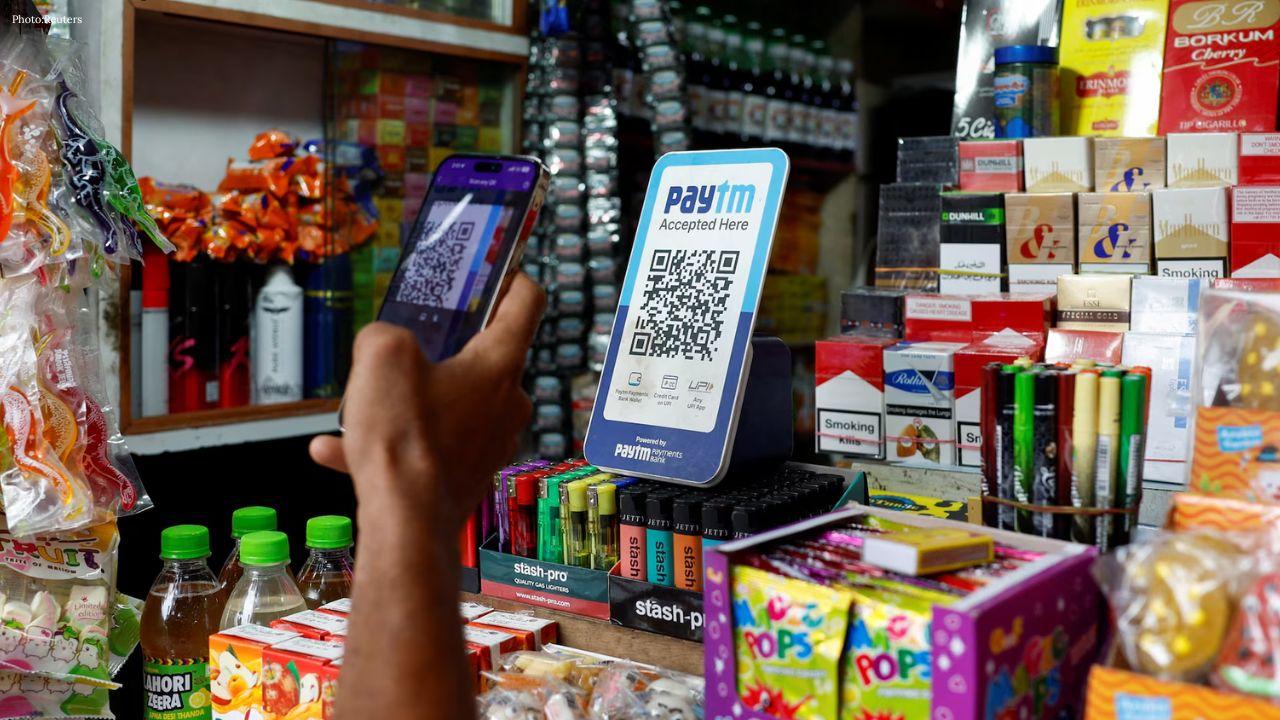
Retailers across India are assessing how upcoming transaction charges could affect their businesses as authorities postpone the planned introduction of fees on certain payments made through the Unified Payments Interface (UPI). The delay gives shop owners additional time to understand the proposed changes and consider how they will manage payment costs without affecting customer convenience. The National Payments Corporation of India (NPCI), which operates the UPI network, announced on October 13 that the proposed charges would be postponed until after Deepavali. The charges were initially scheduled to take effect on October 15, 2026. Under the proposal described in the announcement, merchants would face a charge of 0.4 per cent on eligible transactions exceeding ₹2,000. The revised implementation date had not been announced in the report. The decision is significant for retailers because digital payments have become a routine part of shopping in India. From neighbourhood grocery stores and roadside vendors to clothing outlets and larger retailers, businesses increasingly depend on UPI to receive money quickly and conveniently.
UPI allows customers to transfer money directly from one bank account to another using a mobile application. Payments can be completed by scanning a QR code, entering payment details or selecting a recipient within a supported application. The proposed fee would apply to eligible merchant transactions above ₹2,000, according to the reported announcement. It is intended to be paid by merchants rather than directly charged to consumers under the proposal. This distinction is important because the immediate financial impact would fall on participating businesses. Nevertheless, customers could experience indirect effects if some retailers decide to change their prices, reduce discounts or encourage alternative payment methods. The proposed rate of 0.4 per cent would amount to ₹8 on an eligible transaction of ₹2,000 if the rate were applied to that amount. For a ₹5,000 transaction, the equivalent would be ₹20. These are illustrative calculations based on the reported rate, not confirmation of the final fee treatment or any additional applicable conditions. The precise implementation arrangements and any applicable exceptions would need to be confirmed when the final rules and effective date are announced.
The postponement means the proposed charges will not be introduced during the Deepavali shopping period under the reported timeline. This gives retailers more time to prepare during a season when spending typically increases on clothing, electronics, gifts and household products. For many businesses, the festive period is an important opportunity to attract customers and increase sales. A payment method that allows customers to complete purchases quickly can help stores manage busy periods and reduce dependence on cash handling. Introducing a new cost during this period could require retailers to reconsider how they accept payments, particularly when customers expect QR-based transactions to be quick and straightforward. The delay provides breathing room for businesses to review their payment arrangements, assess the potential costs and decide whether changes are necessary. However, it does not mean that the proposed fees have been cancelled.
Some shop owners are concerned that the additional cost could affect their earnings if a large proportion of their customers pay through UPI. Shubham Dubey, who owns the clothing store Mohini Collections, told CNA that approximately 70 per cent of his customers use UPI, while the remaining customers pay through cash or cards. He indicated that he might encourage customers to pay in cash once the charges are introduced. His example highlights the challenge facing retailers that have come to depend on digital transactions for everyday sales. Asking customers to use another payment method could help a business manage payment expenses, but it may also create inconvenience for people who prefer to scan a QR code and pay instantly. Retailers are unlikely to respond in exactly the same way. Their decisions could depend on transaction volumes, operating costs, profit margins, customer preferences and the availability of other payment options.
Read Also: Malaysia Court Rules Commission-Paid Lawyer Can Qualify as Partner
Customers are not expected to pay the proposed merchant fee directly under the reported arrangement. However, changes in business practices could have indirect consequences. If retailers decide to absorb the cost, customers may notice little immediate difference. If businesses instead revise their pricing or reduce promotional offers, shoppers could experience changes in the overall cost of purchases. Some retailers may also begin suggesting cash payments for selected transactions. This could be more noticeable at stores where UPI has become the preferred payment option for both customers and staff. The extent of any impact will depend on how merchants respond after the fee structure takes effect. There is not yet enough information to conclude that prices will rise across the retail sector or that customers will broadly stop using UPI. For consumers, the most important distinction is between a fee charged to a merchant and a fee directly imposed on the person making a payment. The proposed arrangement described in the report places the charge on merchants, although individual businesses may change their own payment policies.
While retailers are focusing on the possible costs, industry experts argue that payment infrastructure requires ongoing investment to remain reliable as transaction volumes rise. UPI has become a major part of India's digital payment ecosystem, supporting payments at small roadside stalls, local shops, restaurants and large retail outlets. Its convenience has helped millions of people make transfers without relying entirely on cash. According to the NPCI data cited in the report, the network processed more than 24 billion transactions worth over US$300 billion in September 2026 alone. Around 95 per cent of those transactions were below the ₹2,000 threshold and would not have attracted the proposed fee under the reported structure. The scale of activity places continuing demands on the infrastructure that supports the service. Payment networks need systems to detect suspicious activity, monitor fraud, protect users, resolve disputes and ensure transactions are processed and settled correctly. The debate, therefore, involves two connected concerns: keeping digital payments accessible for businesses and customers, while ensuring that the infrastructure can support an expanding network over the long term.
The introduction of merchant charges has raised questions about whether additional costs could influence how businesses and customers use UPI. However, experts do not necessarily expect a significant decline in usage. Reserve Bank of India Governor Sanjay Malhotra said earlier in October that he did not expect a small fee to have a major impact on transaction volumes. His comments reflect the view that the convenience of instant digital payments may continue to encourage widespread use. Even so, the practical outcome will depend on how the charges are implemented and how merchants respond. Retailers with higher transaction volumes may assess the cost differently from small businesses with limited margins. Businesses may also consider whether their customers are willing to switch to cash or other payment methods. The proposed charges could prompt some merchants to reconsider payment preferences, but the scale of any change remains uncertain until the final implementation details become clear.
For now, the postponement gives retailers additional time to prepare before the proposed charges are introduced after Deepavali. Merchants will need to understand the final rules, assess the potential financial impact and decide whether to maintain their current payment practices. Customers should also distinguish between the proposed merchant charge and any separate fee that might apply under the terms of a particular payment service. The reported proposal does not establish that every UPI payment will become chargeable. The broader challenge is to maintain the convenience that has made UPI popular while supporting the cost of operating and expanding the payment network.







Spain's Diego Poncelet Sets Skateboarding World Speed Record
Spain's Diego Poncelet reaches 151.83 km/h in a record-breaking downhill skateboard run in Canada, s

Hyundai Recalls 94,622 US Vehicles Over Potential Fire Risk
Hyundai recalls 94,622 US vehicles over overheating seat motors. Check affected Genesis models, fire

Nvidia Pledges $250 Million for UK AI Safety Research
Nvidia will provide $250 million in computing resources over five years to support AI safety researc

Jacob Bethell Returns as England Name Squads for Australia Tour
England name ODI and T20 squads for the Australia tour, with Jacob Bethell returning from injury and

Beauden Barrett Opens Up About Mental Struggles During All Blacks Exile
Beauden Barrett discusses his confidence struggles after missing six tests, his return against Austr

IMF Says AI Investment Supports Global Growth Despite Energy Shock
IMF says AI investment is supporting global growth near 3%, with Asian economies benefiting from ris

