You have not yet added any article to your bookmarks!
Join 10k+ people to get notified about new posts, news and tips.
Do not worry we don't spam!
Post by : Saif Rahman
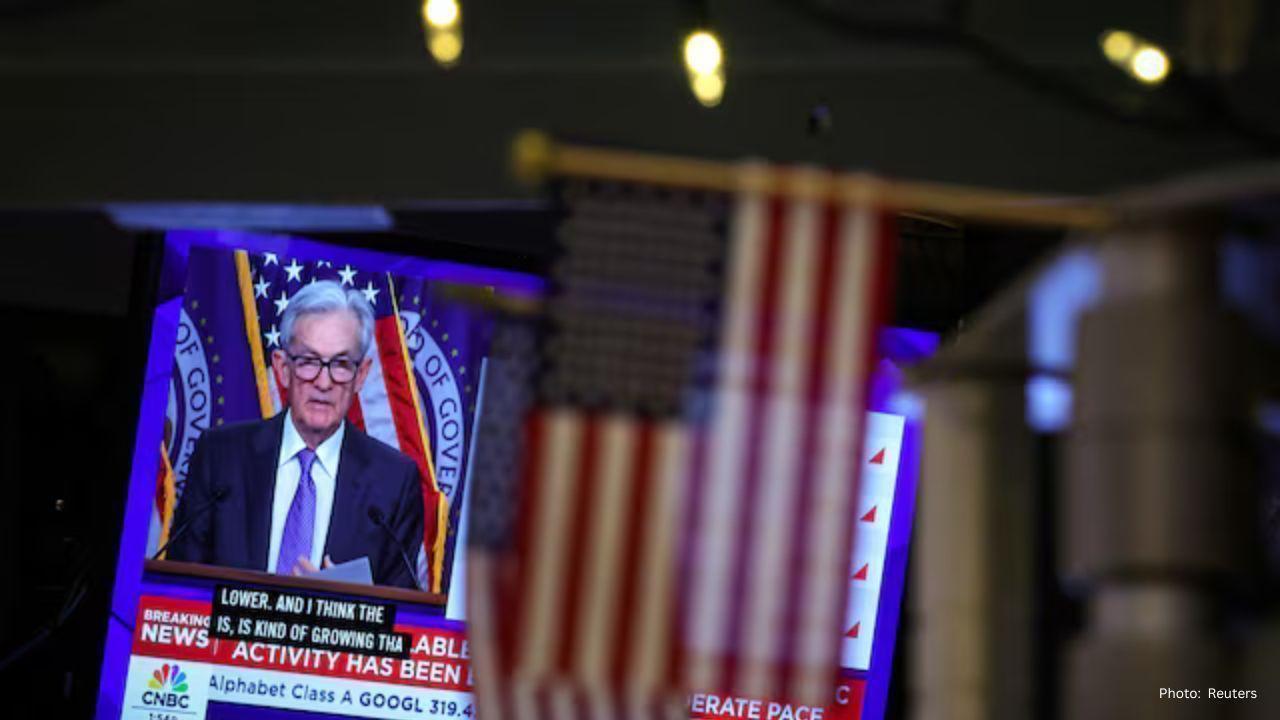
The Federal Reserve of the United States has communicated a clear message to investors and the general populace: a halt to consistent rate cuts may be on the horizon. Following three consecutive cuts, the central bank is now treading carefully in its evaluation of the economy's true state.
On Wednesday, the Fed implemented a 0.25% reduction in interest rates, adjusting the policy rate to a range of 3.50% to 3.75%. However, this decision came with a strong sense of caution. Inflation continues to exceed the Fed’s preferred levels, and crucial economic data has been postponed due to the recent 43-day government shutdown in October and November. This absence of information complicates predictions about the economy’s trajectory.
The Fed anticipates only one additional rate cut in the coming year, which falls short of the expectations held by many investors. The market had been aiming for two cuts in 2026, but forecasts suggest that a significant number of policymakers foresee minimal reductions in the near future. Indeed, six officials preferred to refrain from any cuts this year, while seven do not expect reductions in 2026.
This stark contrast between market expectations and the Fed’s predictions has bred uncertainty. As the country approaches a midterm election year, economic performance is poised to become a focal point of national discourse. President Donald Trump has advocated for more aggressive and timely cuts, labeling the latest one as “too small.”
Experts highlight the Fed's precarious position as it navigates the need to stimulate the job market while managing inflation. Brent Schutte from Northwestern Mutual Wealth Management characterized the situation as “a fine line” facing both the Federal Reserve and the broader economy. The unpredictability of the economic landscape six to nine months down the line further complicates matters.
A significant obstacle is the incomplete economic data caused by the shutdown. The delay in key reports that the Fed relies upon to gauge growth, employment, and price levels has been noted by Bill Adams from Comerica Bank, indicating that the Fed’s decision-making is occurring with less information than typically available, raising the stakes for possible missteps.
Leadership changes loom as well; Fed Chair Jerome Powell’s term concludes in May. Kevin Hassett, an adviser to the White House and a likely candidate for Powell’s position, mentioned that more rate cuts could be warranted, although rising inflation might alter that perspective. This transition in leadership introduces another layer of uncertainty regarding forthcoming decisions.
In the face of these challenges, investors are being encouraged to maintain composure. Financial specialists suggest that while market fluctuations are anticipated in the months ahead, hasty reactions could lead to detrimental choices. Alex Morris from F/m Investments contended that even unexpected shifts in inflation or growth are unlikely to compel the Fed to touch rates again.
Jerome Powell assured that the Fed is not eyeing rate hikes as the next move. Instead, the central bank intends to observe, collect additional information, and calculate its subsequent steps.
Interestingly, the stock market has demonstrated an unexpected stability. Investors seem content with the notion of a pause, as it does not inherently signal economic weakness. Chris Grisanti from MAI Capital Management indicated a preference for no further cuts in 2026 if that would help sustain economic strength.
The forthcoming months will be crucial for discerning how the U.S. economy manages recovery from the data deprivation caused by the shutdown. Whether inflation subsides, the job market remains robust, and the new leadership at the Fed adopts a cautious approach will greatly influence America’s financial trajectory.
One fact remains indisputable: uncertainty is the prevailing theme, necessitating a careful approach from both the Federal Reserve and investors.










Josh Kerr and Jakob Ingebrigtsen Set for 1,500m Rivalry Rematch
Josh Kerr and Jakob Ingebrigtsen will renew their 1,500m rivalry at the Ultimate Championship in Bud

PSG Coach Luis Enrique Urges Players to Step Outside Comfort Zone
PSG coach Luis Enrique says players must leave their comfort zone and keep improving as the club tar

China’s Tiangong Sets New 400m Record at Robot Olympics
China’s Tiangong robot sets a new 400m record at the Robot Olympics, beating a South African robot i

George Russell Wins Dutch GP Sprint, Boosts Mercedes Morale
George Russell wins the Dutch GP Sprint from pole as Mercedes teammate Kimi Antonelli extends his F1
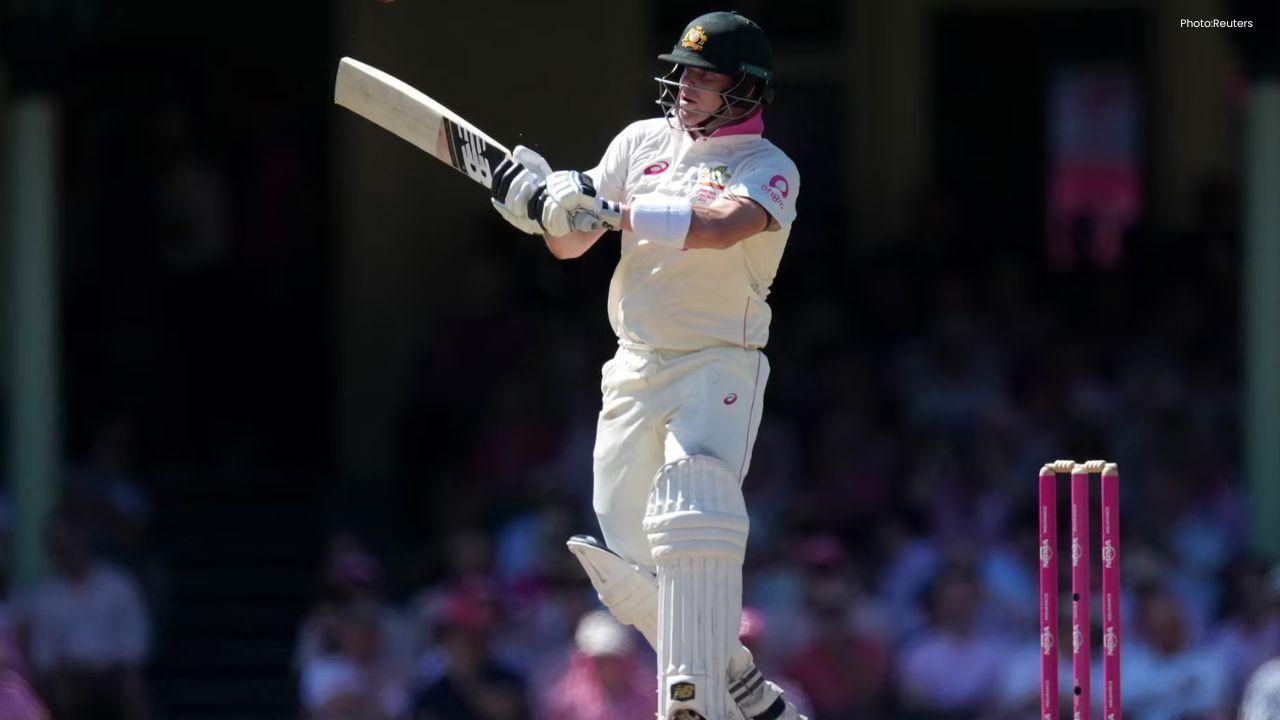
Australia 50/3 After Bangladesh Bowled Out for 64 in Second Test
Australia reached 50/3 after Bangladesh were bowled out for 64 in the second Test, with Mitchell Sta
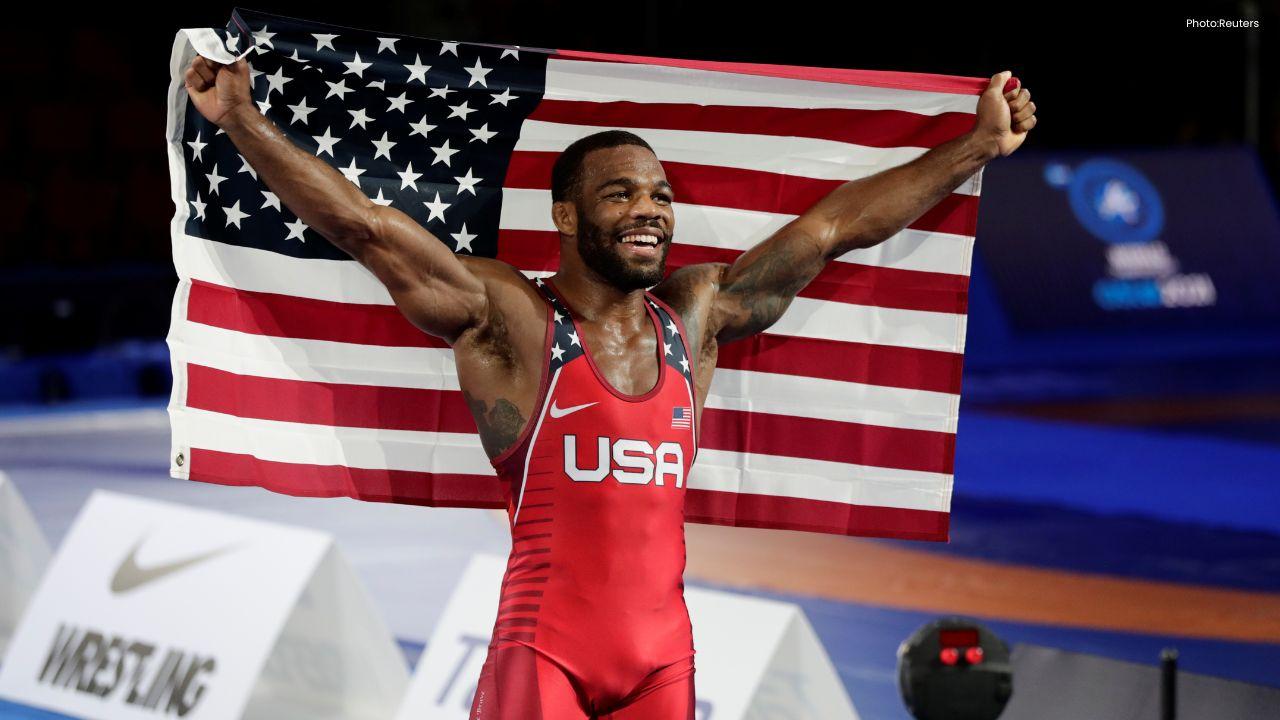
Jordan Burroughs Returns to Wrestling with 2028 Olympic Dream
Jordan Burroughs returns to wrestling with Real American Freestyle as the Olympic champion eyes a po