You have not yet added any article to your bookmarks!
Join 10k+ people to get notified about new posts, news and tips.
Do not worry we don't spam!
Post by : Saif Rahman
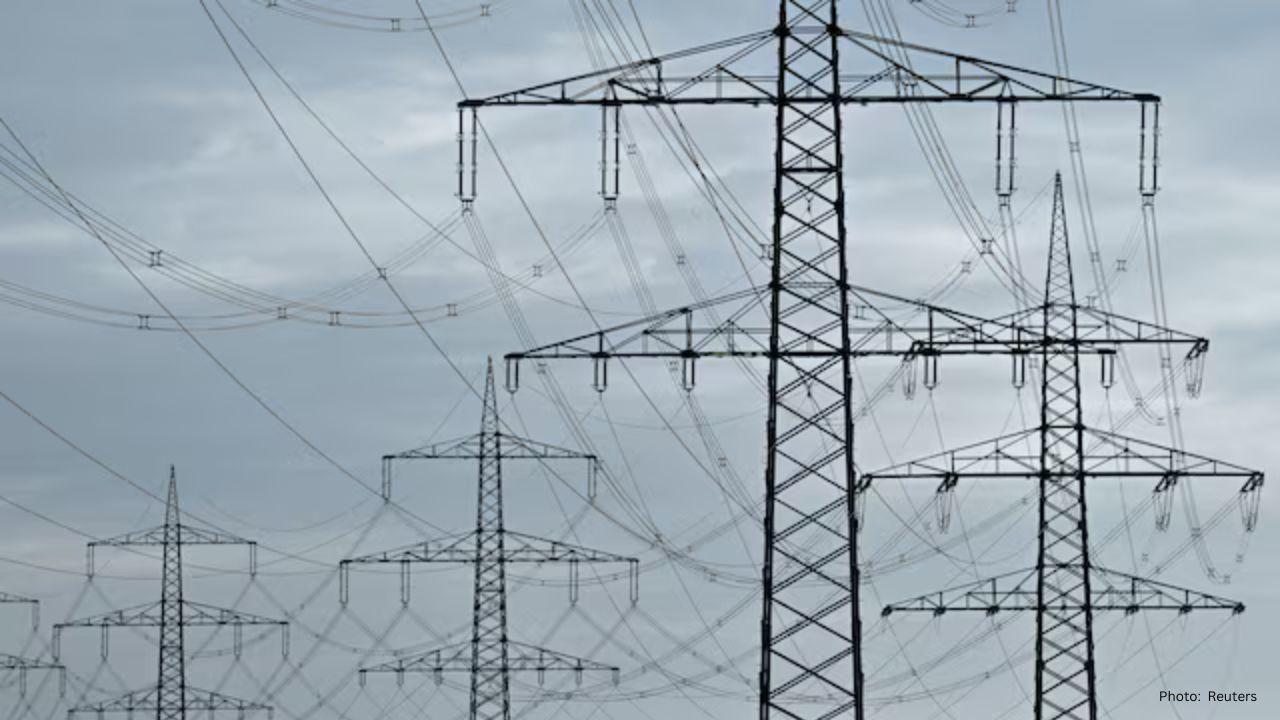
The German government is actively exploring the potential of increasing its influence over the nation’s electricity grid by considering the acquisition of a majority interest in TenneT’s German division, a key player in Europe’s power transmission landscape. This significant move signals a revised strategy from Berlin aimed at tightening its grip on essential energy infrastructure, especially as the country works to fortify its oversight of sectors tied to national security. Early discussions within the government, first reported by Boersen-Zeitung, suggest that officials are weighing multiple avenues to enhance Germany’s governance over grid management and expansion.
Previously, Germany had planned to secure a 25.1 percent stake in TenneT, owned by the Dutch government. This minority ownership was intended to provide enough vote power to influence significant decisions affecting the nation's energy strategy. However, new insights indicate that the government is now looking toward a more assertive strategy. Pursuing majority ownership demonstrates Germany's desire for greater operational input, especially while navigating a complex transition toward renewable energy. This shift could yield direct benefits regarding long-term investments, upgrades to the network, and efficient power transmission across the country.
Sources informed Boersen-Zeitung that the government is examining various financial and structural avenues. One potential strategy is to establish a consortium with international investment firms known for their infrastructure expertise, such as Apollo Global Management, Blackstone, and Brookfield. These entities, recognized as significant contributors to large-scale energy projects, could mitigate the financial obligations of purchasing a larger stake while enabling the government to retain a leadership role in the grid's future. While none have commented publicly, the interest of such major players indicates the monumental nature of the potential transaction.
Germany’s increasing involvement with TenneT reflects a broader agenda centered on energy security, climate ambitions, and geopolitical stability. The nation is on a transformative path to overhaul its energy system, dubbed the energy transition, compelling it to replace fossil fuels with renewable sources like wind and solar power. For this transformation to succeed, a modernized electricity grid must be established to transmit clean energy from generation sites to homes and industries nationwide. New renewable energy is primarily produced in the north, while major population centers and factories are situated in the south, necessitating the expansion of long-distance power lines as a critical requirement.
A strengthened governmental role in TenneT would afford Berlin more direct participation in deciding the pace and location of power line development. This would ensure that investments align with national climate objectives rather than solely commercial motivations. Recent events in Europe, which have heightened concerns regarding foreign ownership of vital infrastructure, have prompted governments to exercise more caution regarding the control of electricity networks and gas pipelines. By increasing its stake in TenneT, Germany aims to lower the risks associated with over-dependence on external entities.
A document reviewed by Reuters last month indicated that the initial phase of the deal, entailing Germany’s acquisition of the 25.1 percent stake, is nearing completion. This share would provide blocking rights, allowing Berlin to prevent decisions that may jeopardize energy security or contradict national interests. However, officials increasingly perceive that a majority stake could secure a more sustainable position, enhancing the government’s ability to guide expansion projects without being hindered by private shareholder interests.
Germany’s renewable energy initiatives necessitate substantial investment. Offshore wind projects, new high-voltage transmission lines, and upgrades to older grid sections require billions of euros in funding. Private companies often approach such costly undertakings with caution, particularly when potential returns are long-term. A stronger governmental presence might expedite these projects, ensuring the energy transition adheres to its timeline. By pursuing majority ownership, Berlin could fast-track the development of new grid lines and mitigate delays that might hinder the shift to renewable energy.
In the Netherlands, where TenneT is currently based, a significant sale would necessitate close coordination with Germany. The two nations maintain strong ties through energy exchanges, shared electricity networks, and cooperative policy objectives. Ownership changes could influence transnational collaboration, particularly in offshore wind initiatives involving interconnected grids. Ongoing discussions between the two governments will be pivotal in shaping how this deal progresses and the allocation of responsibilities once control transitions.
The possible majority acquisition would also illustrate a broader European trend in how critical infrastructure is managed. Governments are re-evaluating the balance between private sector control and national authority over essential services. Rising global tensions, supply chain disruptions, and cyber security considerations have driven European countries to adopt a more proactive stance in sectors deemed vital for economic stability and public safety. Electricity grids have gained special focus as nations strive for cleaner energy while maintaining resilient systems.
If Germany moves forward with a majority takeover of TenneT’s operations, it could be one of the most significant energy-related decisions made by Berlin in recent years. Such an action would reinforce its commitment to ensuring long-term control over vital infrastructure, playing a critical role in supporting the nation’s renewable energy trajectory with a reliable grid. This decision could showcase an emerging understanding that energy policy, economic strategies, and national security are closely intertwined. Although the coming months will clarify whether these nascent discussions evolve into a formal proposal, the prospect of Germany securing control over TenneT has already ignited conversations across Europe regarding the future of energy governance and the governmental role in shaping it.





Josh Kerr and Jakob Ingebrigtsen Set for 1,500m Rivalry Rematch
Josh Kerr and Jakob Ingebrigtsen will renew their 1,500m rivalry at the Ultimate Championship in Bud

PSG Coach Luis Enrique Urges Players to Step Outside Comfort Zone
PSG coach Luis Enrique says players must leave their comfort zone and keep improving as the club tar

China’s Tiangong Sets New 400m Record at Robot Olympics
China’s Tiangong robot sets a new 400m record at the Robot Olympics, beating a South African robot i
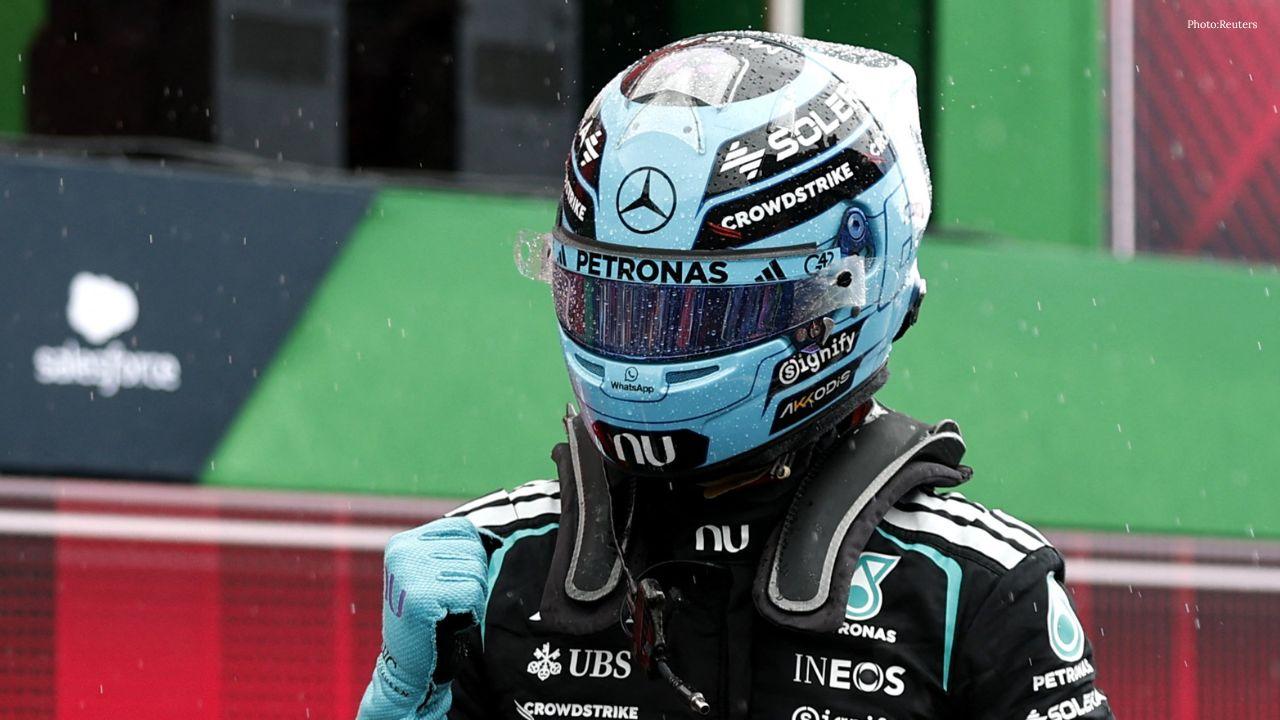
George Russell Wins Dutch GP Sprint, Boosts Mercedes Morale
George Russell wins the Dutch GP Sprint from pole as Mercedes teammate Kimi Antonelli extends his F1
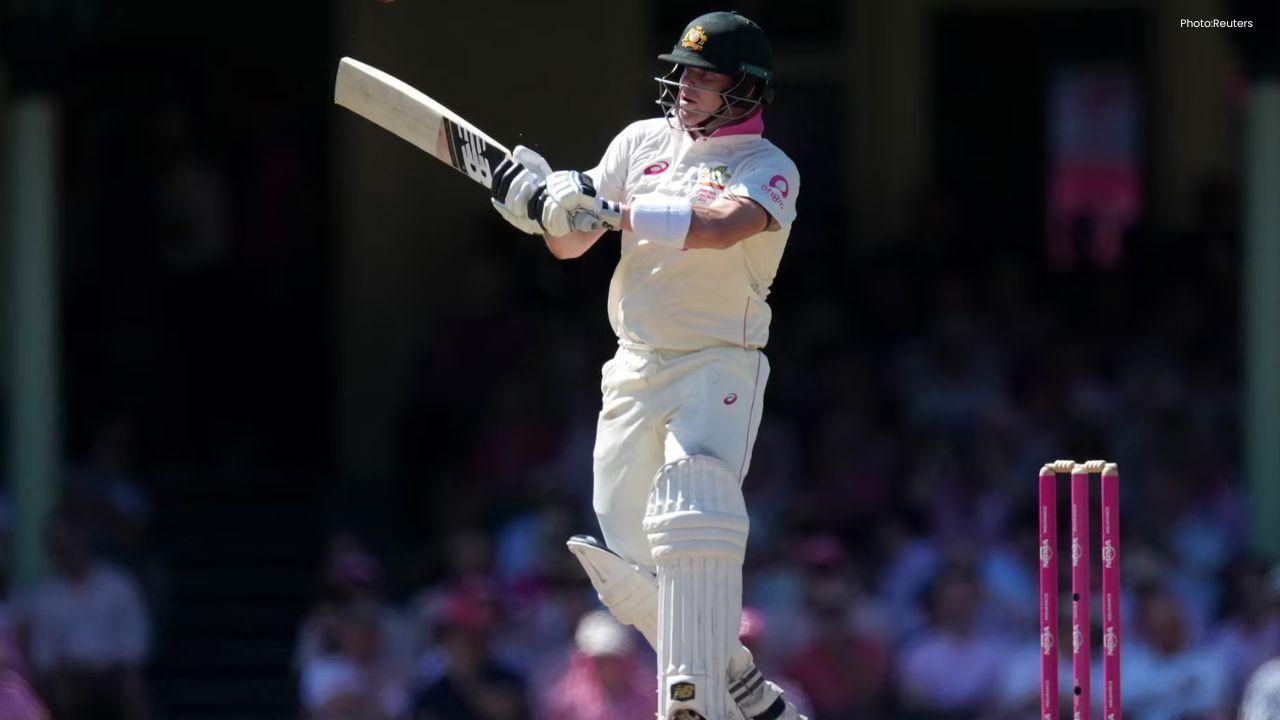
Australia 50/3 After Bangladesh Bowled Out for 64 in Second Test
Australia reached 50/3 after Bangladesh were bowled out for 64 in the second Test, with Mitchell Sta

Jordan Burroughs Returns to Wrestling with 2028 Olympic Dream
Jordan Burroughs returns to wrestling with Real American Freestyle as the Olympic champion eyes a po