
You have not yet added any article to your bookmarks!
Join 10k+ people to get notified about new posts, news and tips.
Do not worry we don't spam!
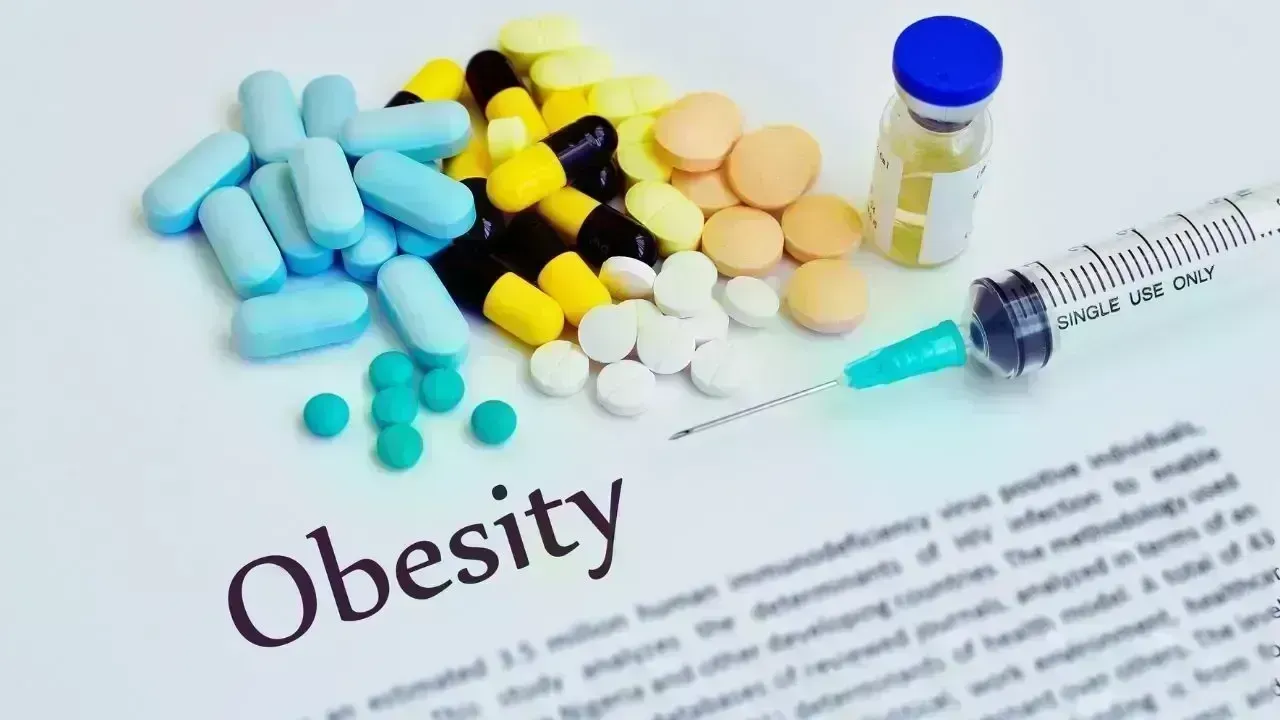
Post by : Anis Farhan
For the first time in history, losing weight has become something people can buy in a vial or tablet. Where once dieting, walking and discipline were the main recommendations, today injections promise dramatic results in months. Friends post photos of shrinking waistlines. Celebrities whisper about “miracle shots.” Clinics advertise quick transformations. Suddenly, obesity seems optional, not inevitable.
But beneath the excitement lies a critical question: are we finally treating obesity, or merely postponing its damage?
The rise of GLP-1 based weight-loss drugs has changed the conversation entirely. Instead of focusing only on food and fitness, society is now looking to medicine as the solution. Doctors welcome the tools. Patients celebrate the results. But some experts worry that the story is not as simple as it appears.
Is obesity a disease that can be medicated away? Or is medicine becoming a shortcut that delays personal responsibility? This article unpacks the science, the success stories, and the silent risks behind the new weight-loss revolution.
Obesity is not about willpower alone. It is a complex medical condition shaped by hormones, genetics, stress, sleep, environment and food systems.
The human body evolved to survive famine, not overabundance. Fat storage was once a survival advantage. Modern life has turned that advantage into a vulnerability. Calories are cheap, screens are tempting, and movement is optional.
Hormones control hunger, fullness and metabolism. Stress alters appetite. Sleep deprivation triggers cravings. Ultra-processed food hijacks taste buds. Obesity arises when biology collides with modern living.
This is why simply “eating less” fails so often. The body fights weight loss with powerful hunger signals. Lost weight tends to return stronger than before. It is biology, not laziness, that makes obesity stubborn.
GLP-1 medications copy a naturally occurring hormone in the body. This hormone tells the brain you are full, slows digestion and stabilises blood sugar. In simple terms, it reduces appetite and makes small portions feel satisfying.
People who take these medicines report decreased hunger, fewer cravings, and less obsession with food. Weight drops steadily. Blood sugar improves. Cholesterol falls. For many, it feels like a reset button.
What makes these drugs revolutionary is not just weight loss, but how quietly and consistently they work. There is no dramatic suffering, no constant battle with hunger. People describe their minds going silent around food.
Obesity fuels a chain reaction of disease. It raises the risk of diabetes, heart disease, strokes, liver problems and joint damage. Reducing weight improves all of these.
For clinicians, these medications offer a rare outcome: compliance. Many patients who struggled with diets finally succeed. Conditions linked to weight show measurable improvement.
In early treatment, blood sugar stabilises. Blood pressure drops. Patients report better sleep and mental clarity. Why would doctors not welcome such tools?
The danger is not the drug itself, but how it is seen.
A smaller body is not always a healthier body. Muscle loss, nutritional deficiencies and metabolic slowdown can accompany rapid weight reduction.
If the drug reduces appetite but diet remains poor, the body actually becomes weaker. Surviving on low nutrition under the illusion of health is dangerous.
Here lies the biggest warning. Most people regain weight after stopping medication unless habits change. Hunger returns stronger. The brain resets.
In other words, the drug may pause the problem, not erase it.
If nothing improves in sleep, diet, stress and movement, the disease resumes once treatment ends.
Every medicine carries risk.
Nausea, vomiting and bloating are common during early treatment. Some people experience constant discomfort.
Rapid weight loss pulls energy from muscle as well as fat. Weakness and fatigue may follow.
The emotional problem no one discusses enough is dependency. People begin to believe their body cannot function without the drug. Fear of regaining weight leads to long-term reliance.
This revolution is not just medical; it is cultural.
What was once a lifestyle choice is now a prescription. Thinness is marketed as responsibility. Pills and injections become status symbols.
People may feel forced into medication just to belong. Not for health, but for appearance. That is when treatment becomes tragedy.
Drugs change appetite, not habits.
If someone eats junk in smaller quantities, deficiencies grow. Weight loss without nourishment is just quiet disease.
Without exercise, muscles weaken. Joints degrade. Weight loss becomes cosmetic, not functional.
Sleep deprivation worsens metabolism and mental health. No injection repairs exhaustion.
Stress creates inflammation. Medicine suppresses symptoms. It does not remove stressors.
Lifestyle builds health. Medication can only assist.
Despite criticism, these medicines have legitimate use.
People with severe obesity and multiple conditions benefit greatly. The drug becomes a bridge back to mobility, activity and hope.
For some patients, glucose control improves dramatically.
Breaking the cycle of hunger creates emotional rest. For the first time in years, some patients feel free from food obsession.
The danger lies in casual prescription.
If a person takes medicine but refuses lifestyle change, the drug becomes a crutch.
Weight loss without medical necessity is abuse of therapy.
These medicines are expensive.
Wealthier populations access treatment. Lower-income communities, who often suffer higher obesity levels, are excluded.
When medicine is unaffordable, inequality widens.
This is a serious ethical question. If stopping the drug reverses results, are people committing to lifetime injections?
Medicine is not supposed to replace health. It is supposed to assist it.
Losing weight fast affects identity.
Some struggle to recognise themselves.
Compliments may feel good, but they reinforce the idea that small is better than strong.
Constant worry about returning weight creates anxiety.
Weight loss should be a side effect of health, not the main goal.
Good sleep improves metabolism. Whole food nourishes tissue. Muscle work strengthens joints. Mindfulness reduces emotional cravings.
These are the roots. Medication should be support, not substitute.
Responsible doctors do not prescribe without guidance.
Protein, fibre and hydration are non-negotiable.
At least strength training and walking.
Food emotions matter.
Medicine is guidance, not a life sentence.
Before considering medication, essential questions include:
Will I lose muscle as well as fat?
How long will I need it?
What happens when I stop?
What lifestyle changes must accompany it?
How will I protect my nutrition?
A drug without answers becomes a gamble.
Effortlessness is attractive, but biology never accepts shortcuts for free.
Health costs discipline, patience and self-awareness.
Medicine reduces resistance. It does not remove responsibility.
Scientists are developing gentler drugs, combination therapies and safer dosage models. But no pill can replace movement, rest and nutrition.
The future will likely blend medicine with behavioural coaching and education.
GLP-1 drugs are tools, not miracles. They heal when respected and harm when misunderstood.
They can rescue health when used wisely. They can destroy confidence when used casually.
If obesity were truly cured by medication, lifestyle change would not matter afterward. But the reality is clear: the drug works best when partnered with discipline.
Medicine may open the door. You still have to walk through it.
This article is intended for informational purposes only and does not replace medical advice. Individuals must consult qualified healthcare providers before starting, stopping, or changing any medication.










PM Modi Pays Tribute to Mahatma Gandhi, Urges People to Support Khadi
PM Modi pays tribute to Mahatma Gandhi on Gandhi Jayanti and urges citizens to support Khadi and the

Amazon Seeks to Offload $8 Billion in Nvidia Chips to Investors
Amazon plans to move $8 billion in Nvidia chips to investors, using a new financing model to strengt

Samsung Raises Galaxy S26 Prices as Memory Chip Costs Rise
Samsung raises Galaxy S26 prices in South Korea as rising memory chip costs put pressure on smartpho

Lewis Hamilton Calls Singapore Grand Prix One of F1's Toughest Races
Lewis Hamilton discusses the demanding Singapore Grand Prix and brings Plus44 and Almave to Singapor

Denmark's Pandora Opens World's Largest Jewellery Factory in Vietnam
Pandora opens its largest jewellery factory in Vietnam, expanding global production, strengthening s

Gautam Gambhir Questions Batting-Friendly Pitches After India's Record ODI Chase
Gautam Gambhir questions batting-friendly ODI pitches after India’s record chase, calling for a bett

