You have not yet added any article to your bookmarks!
Join 10k+ people to get notified about new posts, news and tips.
Do not worry we don't spam!
Post by : Shakul
Nepal’s tourism hub Pokhara is facing a sharp downturn during the peak spring season as the ongoing Gulf conflict disrupts international travel, leading to widespread booking cancellations.
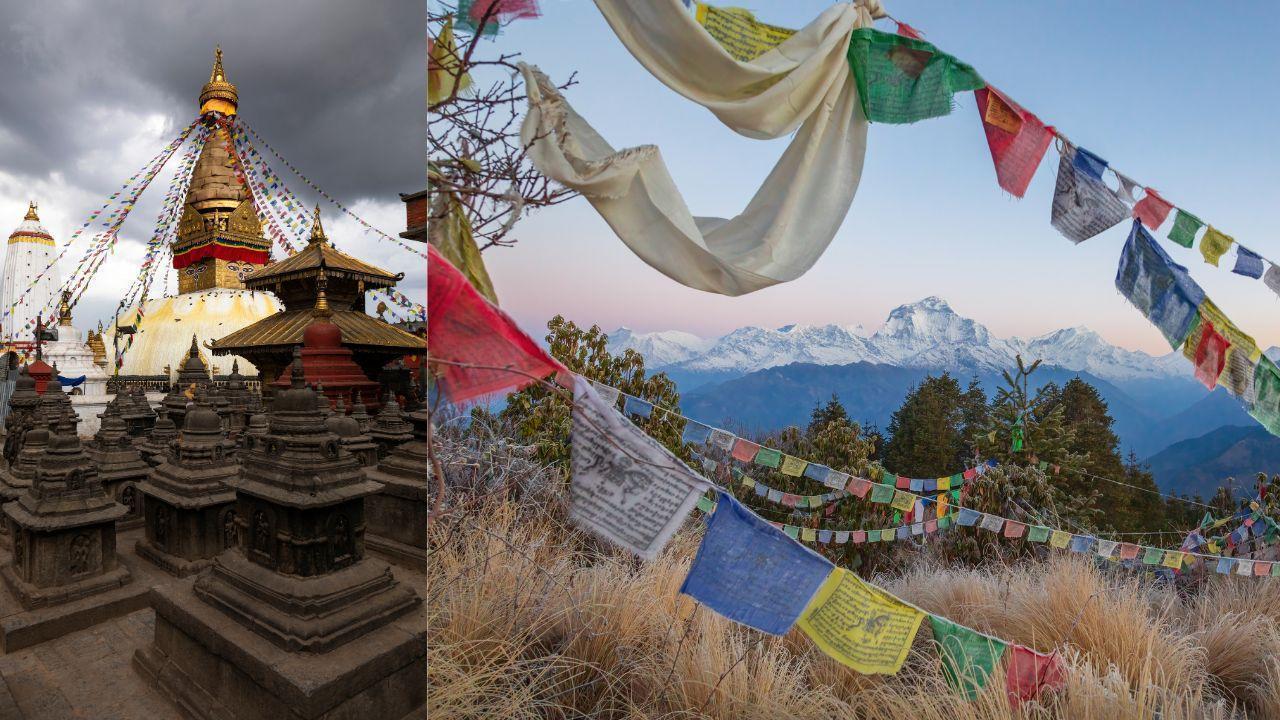
The impact is particularly visible along the popular Ghorepani–Poon Hill trekking route, which typically attracts large numbers of American and European visitors during March. However, tourist arrivals have dropped significantly this year.
According to tourism officials, nearly 50 percent of foreign bookings for March have been cancelled, with most cancellations coming from travellers transiting through Gulf hubs such as Dubai and Qatar.
Krishna Acharya, chairperson of the Gandaki chapter of the Trekking Agencies’ Association of Nepal, said the ongoing conflict in West Asia has severely affected Nepal’s second peak tourist season. Large trekking groups have cancelled trips, while many April bookings remain uncertain as tourists adopt a wait-and-watch approach.
Pokhara’s hospitality sector is already feeling the pressure. Hotels and resorts that typically operate at around 80–85 percent occupancy during this period are now reporting occupancy levels close to 50 percent.
At the same time, some European travellers are attempting to reroute via alternative transit points like Istanbul, but the numbers remain too low to offset the overall decline.
The tourism downturn adds to a series of challenges Nepal has faced in recent years. The industry had only just begun recovering from the COVID-19 pandemic when safety concerns due to air and road accidents, domestic unrest such as Gen Z protests, and infrastructure bottlenecks at Kathmandu’s Tribhuvan International Airport further impacted arrivals.
Issues like the controversial fake helicopter rescue scam have also damaged Nepal’s international reputation, leading to stricter travel insurance policies and reduced trust among global tourists.
Despite the challenges, tourists from India, South Korea, and Japan continue to visit Pokhara, partially filling the gap left by Western travellers.
Tourism officials now suggest Nepal should pivot towards East Asian and regional markets to sustain visitor numbers. Countries such as Thailand, Malaysia, Singapore, Japan, and South Korea are being targeted through promotional campaigns, along with emerging markets like Vietnam, Australia, and New Zealand.
Experts warn that if the Gulf conflict continues through April, Nepal’s tourism industry—especially in Pokhara and the Annapurna region—could face a deeper crisis during what is traditionally one of its busiest seasons.










Danaher to Launch AI-Powered Autonomous Research Lab in 2027
Danaher plans an AI research lab for 2027, combining robotics and automation to speed up drug discov

Musk Welcomes German Support for Tesla Driver Assistance Tech as EU Approval Push Continues
Elon Musk welcomes Germany's backing for Tesla FSD as the company seeks EU approval amid speed, safe

Microsoft and Nvidia CEOs to Unveil AI Laptop at San Francisco Event
Microsoft and Nvidia showcase a new AI laptop with RTX Spark chips as they push powerful local AI co

Man to face charges over perfume thefts at Changi Airport
A 47-year-old man faces charges over perfume theft at Changi Airport after six items worth nearly S$

Google Signs 3.6-GW Power Deal With Constellation Energy in US
Google signs a 3.6-GW power deal with Constellation Energy, including nuclear power upgrades to supp

Harmanpreet Kaur Steps Down as India Captain Across All Formats
Harmanpreet Kaur steps down as India captain across all formats after a remarkable leadership journe