
You have not yet added any article to your bookmarks!
Join 10k+ people to get notified about new posts, news and tips.
Do not worry we don't spam!

Post by : Anis Farhan
For years, heart disease was considered a problem for people in their late forties and fifties. Your thirties were supposed to be the “safe zone” — the time when energy is high, illnesses are few, and health feels automatic.
That safety no longer holds.
Doctors today warn that early damage to the heart often begins in the thirties, sometimes even late twenties. By the time symptoms show up, the disease process may already be well established.
The heart does not suddenly fall sick at forty.
It slowly gets injured during the years before.
And those years are usually spent ignoring it.
The human heart has not changed.
Our lifestyle has.
Modern life places enormous stress on heart function well before midlife.
Working eight to ten hours seated slows metabolism and weakens circulation.
Excess sugar, salt, and unhealthy fats inflame arteries over time.
Late nights and digital screens disrupt blood pressure cycles.
Work pressure, financial duties, and emotional burnout strain the heart.
The heart is a muscle. Inactivity weakens it.
All of this damages blood vessels long before you “feel” sick.
One of the biggest dangers of heart disease is its silence.
People assume that heart attacks arrive suddenly.
They do not.
They build.
Years before chest pain appears, the body shows softer warning signs.
These include:
Fatigue that doesn’t improve
Shortness of breath while climbing stairs
Fast heartbeat without exercise
Frequent headaches
Chest tightness during stress
Dizziness
Poor sleep
Water retention
Anxiety without reason
These symptoms are often dismissed as daily stress.
Sometimes they are actually early heart distress.
Heart disease is progressive.
Every unhealthy habit leaves a small mark on internal systems.
Those marks accumulate.
By age 40, many people already have:
Narrowed blood vessels
Elevated blood pressure
Unbalanced cholesterol
High blood sugar
Fatty liver
Reduced heart flexibility
It is much easier to protect the heart in its early years than to repair damage later.
Prevention in your thirties works better than treatment in your forties.
Medical practice has changed.
Doctors increasingly recommend heart-level screening earlier than before.
Modern evaluation includes:
Blood pressure monitoring
Lipid profile testing
Blood sugar analysis
Body fat assessment
Waist-to-hip measurement
Heart rhythm tracking
Family history review
Sleep pattern assessments
These tests identify risk much before illness sets in.
Early knowledge creates time for correction.
Late discovery creates dependence on medication.
Some people inherit hidden threats.
If you have parents or grandparents with:
Heart attacks
Stroke
Diabetes
High blood pressure
High cholesterol
your risk rises—even if you feel healthy.
Genetics are not destiny.
But they are warning signs.
Awareness is your advantage.
Ignoring heritage is like ignoring smoke and hoping there’s no fire.
Most people think cholesterol is about fat alone.
It is not.
Cholesterol decides how blood flows.
Bad cholesterol sticks to artery walls.
Good cholesterol removes it.
An unhealthy balance causes:
Hardened arteries
Reduced blood flow
Increased clot risk
Heart muscle stress
High cholesterol in your thirties may not hurt.
But it silently narrows your future.
High blood pressure often gives no immediate symptoms.
But it damages:
Heart valves
Blood vessels
Brain arteries
Kidney tissues
Uncontrolled pressure thickens the heart muscle until it cannot pump efficiently.
When that happens, fatigue becomes breathlessness.
And breathlessness becomes failure.
Blood pressure is called the silent killer for a reason.
Many people confuse slim with safe.
The most harmful fat is not always visible.
Internal fat surrounds organs.
It inflames the heart.
Someone with a flat stomach may still carry disease inside.
Heart health depends more on:
Diet quality
Inflammation levels
Activity frequency
Sleep cycles
Stress regulation
than outward appearance.
Fitness must go deeper than photos.
The heart listens more to behaviour than intentions.
Sugary drinks
Smoking and vaping
Lack of movement
Fast food
Alcohol excess
Erratic schedules
Chronic stress
Sleep debt
Walking 30 minutes
Eating fresh foods
Drinking water
Sleeping on time
Stress breaks
Deep breathing
Limiting screen time
Talking through pressure
Health is not built in hospitals.
It is built in kitchens, bedrooms, and routines.
Movement is the medicine your heart expects.
Regular physical activity:
Improves circulation
Strengthens muscle
Balances pressure
Clears cholesterol
Improves mood
Controls sugar
Enhances stamina
Your heart was designed to move.
Stillness weakens it faster than age.
Stress is not just emotional.
It triggers chemical chaos.
Prolonged stress releases hormones that:
Raise blood pressure
Tighten arteries
Increase heart rate
Alter sugar control
If ignored, emotional exhaustion becomes physical disease.
Stress management is heart prevention.
Not luxury.
Many believe that moderate alcohol is harmless.
New evidence suggests otherwise.
Alcohol:
Raises blood pressure
Disrupts heart rhythm
Weakens heart muscle
Increases weight
Confuses hormones
Even occasional excess has impact.
The heart does not forget.
Sleep is cardiac repair time.
Poor sleep:
Raises blood sugar
Disturbs hormones
Elevates pressure
Increases fat storage
Weakens immunity
People who regularly sleep under six hours show significantly higher heart risk.
Sleep is non-negotiable health currency.
When people ignore heart health:
They do not skip disease.
They only delay discovery.
Then it appears as:
Heart attack
Stroke
Bypass surgery
Long-term medication
Reduced mobility
Financial burden
Emotional exhaustion
Prevention is cheaper than treatment.
But far more valuable than money is life quality.
You do not need perfection.
You need direction.
Walk daily
Eat mindfully
Drink water
Sleep on time
Reduce sugar
Learn stress control
Check pressure
Test cholesterol
Limit smoking and alcohol
Ask about family history
Consistency saves hearts.
Not sudden transformation.
If you are healthy:
Blood pressure once every six months
Blood tests once every year
If you have risk factors:
More frequent monitoring
Medical guidance
Lifestyle adjustment
Follow-up screenings
Testing does not create illness.
It prevents surprise.
There is nothing fearful about caring for your body early.
Fear is pretending youth is armour.
Your thirties shape your future health horizon.
You may feel unstoppable.
But your heart remembers everything.
Give it protection.
Not regret.
The heart does not care about age.
It responds to how you live.
Thirty is not early.
It is perfect timing.
You can:
Reverse risk
Restore strength
Rewire habits
Rewrite outcomes
But only if you start.
Because when it comes to heart health…
Waiting is the only bad decision.
This article is meant for general awareness and educational purposes only. It does not replace professional medical consultation, diagnosis, or treatment. Readers are advised to consult qualified healthcare providers for personalized health evaluation and advice.








Nvidia Pledges $250 Million for UK AI Safety Research
Nvidia will provide $250 million in computing resources over five years to support AI safety researc

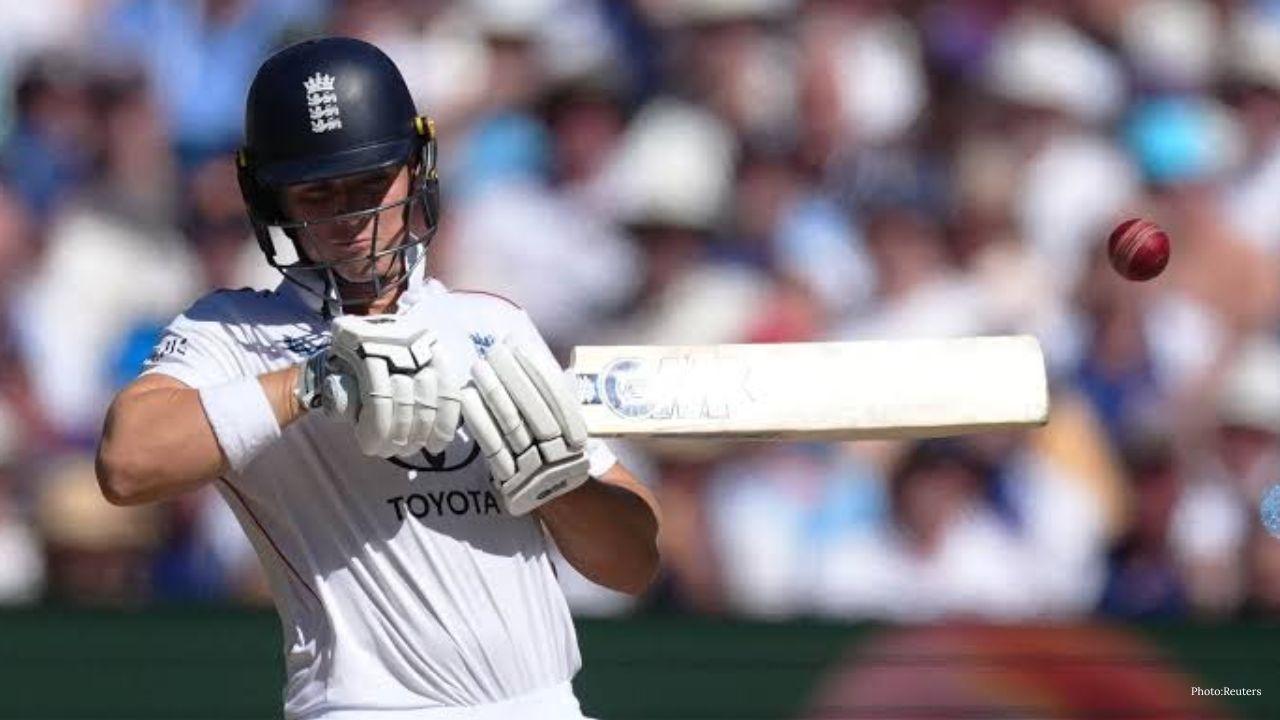
Jacob Bethell Returns as England Name Squads for Australia Tour
England name ODI and T20 squads for the Australia tour, with Jacob Bethell returning from injury and
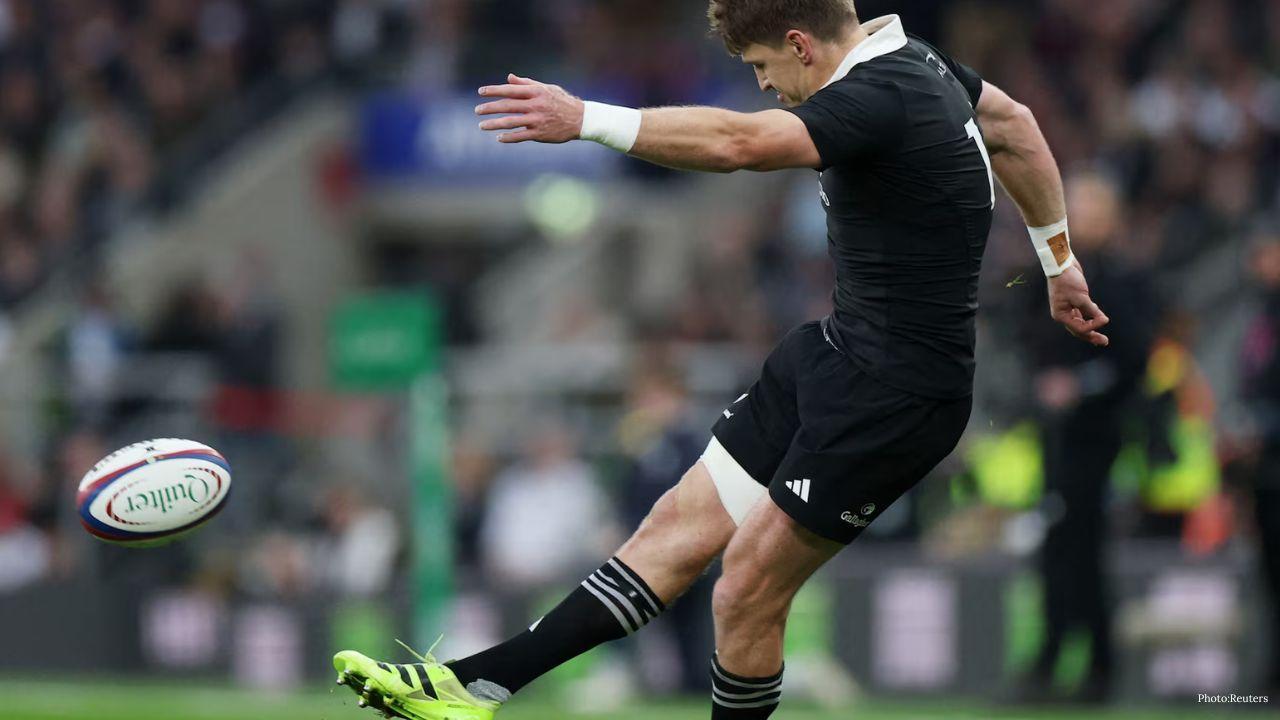
Beauden Barrett Opens Up About Mental Struggles During All Blacks Exile
Beauden Barrett discusses his confidence struggles after missing six tests, his return against Austr

IMF Says AI Investment Supports Global Growth Despite Energy Shock
IMF says AI investment is supporting global growth near 3%, with Asian economies benefiting from ris

Will O'Rourke Ruled Out of New Zealand's India Series
New Zealand fast bowler Will O'Rourke will miss the India series with hamstring and calf injuries as

AI Companies Expected to Drive Most US Earnings Growth in Q3
AI companies are expected to drive US third-quarter earnings growth as investors assess tech profits

