You have not yet added any article to your bookmarks!
Join 10k+ people to get notified about new posts, news and tips.
Do not worry we don't spam!
Post by : Samjeet Ariff
In today’s world, daily hair styling is commonplace. Whether it's blow-drying, straightening, curling, or securing tight ponytails, these practices are often perceived as harmless. Nevertheless, the long-term damage accumulates from consistent daily routines and is not just a result of occasional mishaps.
This article explores how routine hair styling gradually compromises the hair's integrity, reasons why damage may not become evident until later, and effective ways to protect your hair without abandoning your styling habits.
Hair may seem straightforward, but its structure is intricate.
Cuticle: The outermost protective layer, comprised of overlapping scales.
Cortex: The middle layer responsible for the hair's strength, color, and flexibility.
Medulla: The inner core found mainly in thicker hair types.
Healthy hair relies on an undamaged cuticle. Most styling-related damage initiates from lifting, breaking, or removing the cuticle, which exposes the cortex beneath.
When the cuticle is harmed, hair can become dry, fragile, frizzy, and susceptible to breakage.
Among daily habits, heat styling poses the greatest risk.
High temperatures deplete moisture from the hair shaft.
Protein bonds within the cortex weaken.
Cuticle layers lift and become damaged.
Hair loses both elasticity and resilience.
Repeated heating results in permanent structural alterations that are not entirely reversible.
Daily use of blow dryers.
Flat irons and straightening tools.
Curling wands and curlers.
Heating brushes.
Even using “medium heat” can become damaging with frequent exposure.
Many believe their hair is fine as it appears healthy at first glance.
Hair grows slowly, allowing damage to accumulate over time.
Outer layers might conceal internal fragility.
Breakage typically initiates at the mid-length and ends.
Thinning usually becomes noticeable only after a reduction in volume.
By the time hair appears dull or thin, damage has often been occurring for a considerable period.
Not all hair damage is heat-related.
Tight hairstyles like ponytails exert pressure on hair roots.
Braids and buns can place stress on hair follicles.
Consistent tension can weaken hair attachment.
This can lead to traction alopecia, a form of hair loss caused by continuous pulling.
High ponytails.
Tight buns.
Cornrows and very tight braids.
Repeatedly tying hair at the same location.
Over time, follicles can become inflamed, leading to reduced hair production.
Daily styling frequently involves a range of products.
Alcohol-based sprays can dry out the hair.
Excessive use of gel can harden hair, leading to breakage.
Silicone buildup prevents moisture from entering the hair.
Product residue irritates the scalp.
Heavy use results in hair that appears styled yet is dehydrated and weak at its core.
Using styling products before applying heat amplifies damage.
Product buildup heats unevenly.
Alcohol and synthetic polymers can burn the cuticle.
Hair becomes brittle more quickly.
This combination intensifies split ends and thinning.
Frequent styling leads to frequent washing.
The natural oils are stripped away repeatedly.
Hair loses moisture and flexibility.
Scalp can either become dry or produce excess oil.
dry hair is particularly susceptible to styling damage.
Hair is most vulnerable when wet.
Wet hair stretches easily.
Forceful brushing can snap strands.
Rough towel drying induces friction.
Daily damage from improper handling of wet hair accumulates silently over time.
Dyeing hair compromises its structure before styling even begins.
Chemical treatments open up the cuticle.
Heat forces damage deeper into the cortex.
Hair proteins are lost more rapidly.
Colored and styled hair demands greater protection compared to uncolored hair.
Styling damage extends beyond just the hair.
Heat can dry out scalp skin.
Product buildup may obstruct follicles.
Tight styles can diminish blood circulation.
Compromised scalp health leads to weaker hair growth, not just breakage.
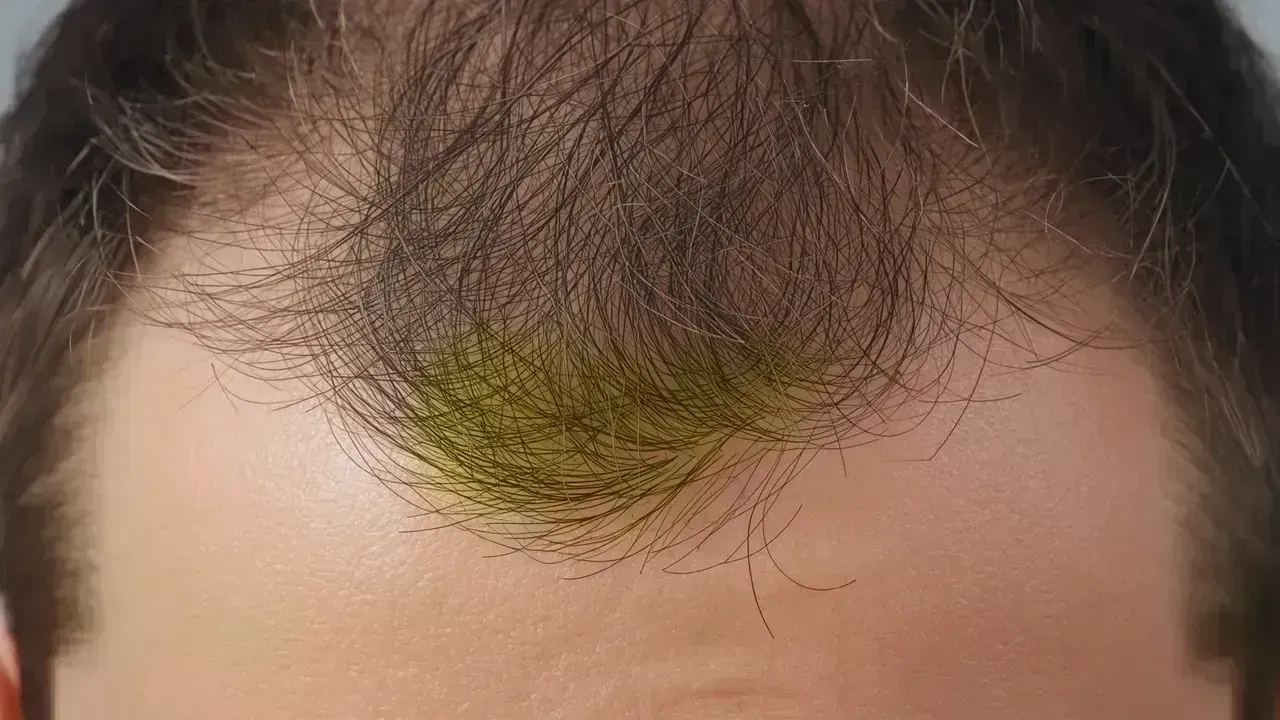
Signs of styling damage do not manifest as instant hair loss.
Increased split ends.
Hair breaking while combing.
Decreased natural shine.
Persistent frizz that cannot be tamed.
Gradually thinner strands in ponytails.
Hair failing to grow past a certain length.
These symptoms signify structural damage, beyond mere dryness.
Conditioners and serums might enhance appearance, but they don't address structural issues.
Once grown, hair is considered dead tissue.
Products might mask damage temporarily.
Excess protein can worsen fragility.
True improvement is achieved through reducing damage, not just concealing it.
Give up styling? Not necessary; just approach it smarter.
Restrict heat styling to a couple of times each week.
Utilize the lowest effective heat settings.
Opt for air-drying whenever possible.
Apply heat protectants on damp locks.
Ensure even distribution before styling.
Always utilize protection, even when blow-drying.
Avoid tying hair in the same position daily.
Switch between loose styles for variety.
Let hair roots enjoy rest days.
Utilize microfiber towels when drying.
Tangle with wide-tooth combs.
Avoid aggressive brushing techniques.
Wash hair according to scalp's needs, not routine.
Employ mild, sulfate-balanced cleansers.
Steer clear of frequent washing.
Consistent effort can yield damage control.
Ensure adequate protein intake.
Maintain a balanced diet.
Stay hydrated.
Manage stress levels effectively.
Hair vitality mirrors overall well-being.
Engage in gentle scalp massages.
Regularly remove product buildup.
Avoid layering excessive products.
A healthy scalp fosters stronger regrowth.
If left unchecked, styling damage can result in:
Chronic breakage.
Decreased hair density.
Traction-related hair loss.
Slow or halted hair growth.
Early recognition is key in preventing irreversible damage.
Most hair damage stems not from a single bad hair day but from small daily practices that persist over the years. Modern styling tools are powerful; however, the biological needs of hair remain unchanged. It’s crucial to acknowledge hair limits for long-lasting thickness, strength, and growth.
Healthy hair doesn’t mean no styling; it means well-managed and safeguarded hair.
This article serves general informational purposes and should not be regarded as medical or dermatological advice. The causes of hair damage vary based on personal hair type, genetics, health conditions, and styling habits. For ongoing issues such as hair breakage or loss, it’s advisable to consult a qualified hair care professional or dermatologist for accurate assessment and guidance.










Beauden Barrett Opens Up About Mental Struggles During All Blacks Exile
Beauden Barrett discusses his confidence struggles after missing six tests, his return against Austr

IMF Says AI Investment Supports Global Growth Despite Energy Shock
IMF says AI investment is supporting global growth near 3%, with Asian economies benefiting from ris

Will O'Rourke Ruled Out of New Zealand's India Series
New Zealand fast bowler Will O'Rourke will miss the India series with hamstring and calf injuries as

AI Companies Expected to Drive Most US Earnings Growth in Q3
AI companies are expected to drive US third-quarter earnings growth as investors assess tech profits

Money Market Funds See Record Inflows as Global Bond Selloff Intensifies
Global money market funds attract $153.81 billion as bond yields rise, inflation fears persist and i

Meta Bans TikTok Ads on Facebook and Instagram in Seven Countries
Meta has banned TikTok ads in seven countries, escalating competition over social media users, adver