You have not yet added any article to your bookmarks!
Join 10k+ people to get notified about new posts, news and tips.
Do not worry we don't spam!
Post by : Anis Farhan
Every parent wants to do right by their child. They choose breakfast cereals that claim to boost energy, snack bars that promise nutrition, and fruit-flavoured drinks that look innocent enough to pass as health food. The wrappers are colourful, the words are comforting, and the claims are convincing. “Low fat.” “No added sugar.” “Made with real fruit.” Somewhere between the school bell and the evening homework routine, snacks have become symbols of care.
Yet childhood obesity keeps climbing. The numbers are rising not just in cities but in towns and villages, not just among children who eat fast food but also among those who do not. The problem is not simply greasy pizza or fried snacks sold outside schools. It is also inside lunchboxes, breakfast bowls, and pantry shelves.
Hidden sugars are shaping children’s bodies and habits long before anyone notices the warning signs. The danger does not announce itself with greasy fingers. It hides behind words like “natural,” “fortified” and “energy-boosting.” By the time weight gain becomes visible, damage may have already started on the inside.
Understanding where sugar hides and how it acts inside growing bodies is essential. Because obesity today is not only about what children eat—it is about what they unknowingly consume.
Obesity in children is not just about appearance. It is a complex medical condition linked to serious health outcomes that can shadow a child for life.
When a child carries extra weight, organs work harder. Blood sugar levels become unstable. Blood pressure may rise. Breathing becomes strained. Fat deposits begin to form where they never should—around the liver and inside muscles.
These changes do not wait for adulthood. Many children show early signs of conditions once associated with older populations, including hormonal imbalance, high cholesterol and pre-diabetes.
Children with obesity face emotional burdens as heavy as the physical ones. Teasing, exclusion and low self-esteem affect academic performance and mental health. Food becomes comfort. Comfort becomes habit. And the cycle tightens.
Obesity does not grow alone. It brings anxiety, isolation and emotional eating with it.
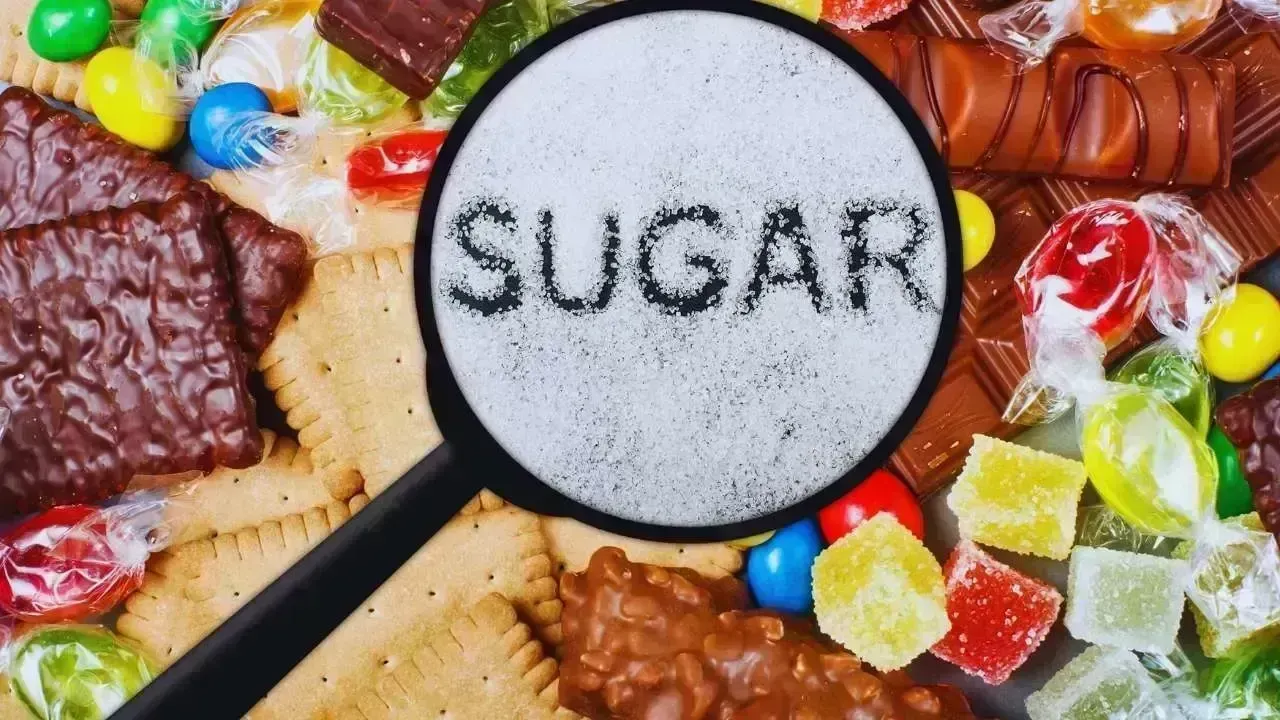
Sugar is no longer confined to desserts. It has infiltrated everyday foods quietly and convincingly.
Cereal boxes promise strength, growth and intelligence. But many are coated in sugar disguised as “honey,” “corn syrup,” “malt extract” or “fruit concentrate.” What looks like a nutritious choice can deliver sugar equal to multiple teaspoons in a single bowl.
Children who begin their day with sugar experience energy spikes followed by crashes. Hunger returns early. By noon, they crave more snacks.
Marketed as healthy alternatives, these bars often contain syrups, concentrates and sweeteners that raise blood sugar faster than chocolate. A single bar may be packaged as portion control, but its sugar impact is anything but small.
The body processes sugar based on quantity, not packaging.
Children often drink sugar without realising it. Fruit juices and flavoured milk appear nourishing. But many versions contain as much sugar as fizzy drinks, without the warning label.
Liquid sugar is worse than solid sugar. The body absorbs it quickly, and fullness does not register. Children drink it easily and often.
Many yoghurts marketed to children are sugar desserts wearing dairy costumes. Fruit flavouring often means syrup, not real fruit.
What parents expect to be protein-rich and protective quietly delivers carbohydrate overload.
Children’s bodies are still developing. Their systems react to sugar differently.
Children burn energy quickly, but excessive sugar confuses hunger signals. The brain learns that sweetness equals reward. Appetite regulation weakens before discipline even develops.
Early exposure changes taste preference. Natural fruit begins to taste dull. Vegetables taste bitter. The mouth becomes trained to chase sweetness.
Sugar influences hormones that regulate hunger and fullness. Over time, the body begins ignoring internal signals.
Once this system weakens, children eat not when hungry, but when craving.
Food companies know that parents buy, but children influence.
Characters, games and collectibles shift focus from nutrition to fun. The snack becomes the toy.
Children associate happiness with a product long before they understand health.
“Natural sweeteners.” “No refined sugar.” “Fruit-based.” These phrases imply health but do not guarantee it.
Sugar whether from cane or fruit concentrate affects the body the same way.
More screens mean more sitting and more snacking.
Cartoons, games and videos are rarely consumed alone. Snacks accompany screens.
Food becomes part of the habit loop.
When sugar intake remains high and movement drops, fat storage accelerates.
Calorie imbalance becomes inevitable.
Fast food is visible. Pantry sugar is invisible.
A burger is “bad.” A cereal bar is “good.” Yet sugar content may tell the opposite story.
Parents are vigilant outside the home, careless inside.
The price is paid slowly.
Excess sugar trains the body to tolerate high blood sugar.
Eventually, insulin stops working well.
This condition once focused on alcohol is now common among children who drink sugar.
The liver suffers silently.
Extra weight strains young joints earlier than expected.
Physical confidence drops.
Labels are not written for clarity. They are written for appeal.
Sugar wears many disguises: syrup, extract, nectar, malt, juice concentrate.
Fewer ingredients mean safer choices.
Ignore front claims. Check the nutrition panel.
Sugar near the top of the list signals danger.
Children need change, not punishment.
Replace sugary cereals with oats. Replace juice with water and fruit.
Children accept alternatives when change is gradual.
Offer nuts, fruit, boiled eggs, homemade yoghurt.
Make healthy visible and easy.
Teach them to read labels.
Empowerment beats enforcement.
Regular meals reduce grazing.
Hunger that comes on time avoids sugar emergencies.
Schools influence habits strongly.
If snacks are sugary, lessons fail.
If options are clean, habits follow.
Encourage hydration.
Thirst is often mistaken for hunger.
The struggle is emotional as much as nutritional.
High sugar leads to irritability and fatigue.
Children become restless.
Celebrations tied to sweets build dependency.
Praise should not taste like sugar.
Love does not always know nutrition.
A child is quiet with food.
But the habit whispers sickness later.
Habits grow until tested.
Without guidance, they harden.
Start with awareness.
Children copy plates, not lectures.
Real food answers hunger better than boxes.
Out of sight is out of mind. Healthy must be visible.
Hungry children grab first.
Prepared parents guide last.
Some signs demand support.
Do not ignore sudden change.
Fatigue signals blood sugar swings.
Food replacing comfort indicates risk.
This is not about guilt.
It is about clarity.
Perfection is impossible. Awareness is powerful.
Children do not need perfect parents.
They need informed ones.
Childhood obesity does not begin at restaurants. It begins at breakfast tables and snack shelves.
Sugar does not announce itself. It smiles from cartoon wrappers and hides behind nutrition claims.
But once exposed, it loses power. Families that read, question and shift create safety.
Obesity is not a destiny. It is a direction.
And direction can change.
One snack at a time.
One label at a time.
One informed choice in a child’s hands.
This article is intended for general informational purposes only. It does not replace professional medical or nutritional advice. Parents concerned about a child’s weight or health should consult qualified healthcare professionals before making major dietary changes.










Jacob Bethell Returns as England Name Squads for Australia Tour
England name ODI and T20 squads for the Australia tour, with Jacob Bethell returning from injury and

Beauden Barrett Opens Up About Mental Struggles During All Blacks Exile
Beauden Barrett discusses his confidence struggles after missing six tests, his return against Austr

IMF Says AI Investment Supports Global Growth Despite Energy Shock
IMF says AI investment is supporting global growth near 3%, with Asian economies benefiting from ris

Will O'Rourke Ruled Out of New Zealand's India Series
New Zealand fast bowler Will O'Rourke will miss the India series with hamstring and calf injuries as

AI Companies Expected to Drive Most US Earnings Growth in Q3
AI companies are expected to drive US third-quarter earnings growth as investors assess tech profits

Money Market Funds See Record Inflows as Global Bond Selloff Intensifies
Global money market funds attract $153.81 billion as bond yields rise, inflation fears persist and i