You have not yet added any article to your bookmarks!
Join 10k+ people to get notified about new posts, news and tips.
Do not worry we don't spam!
Post by : Rohit Dhiman
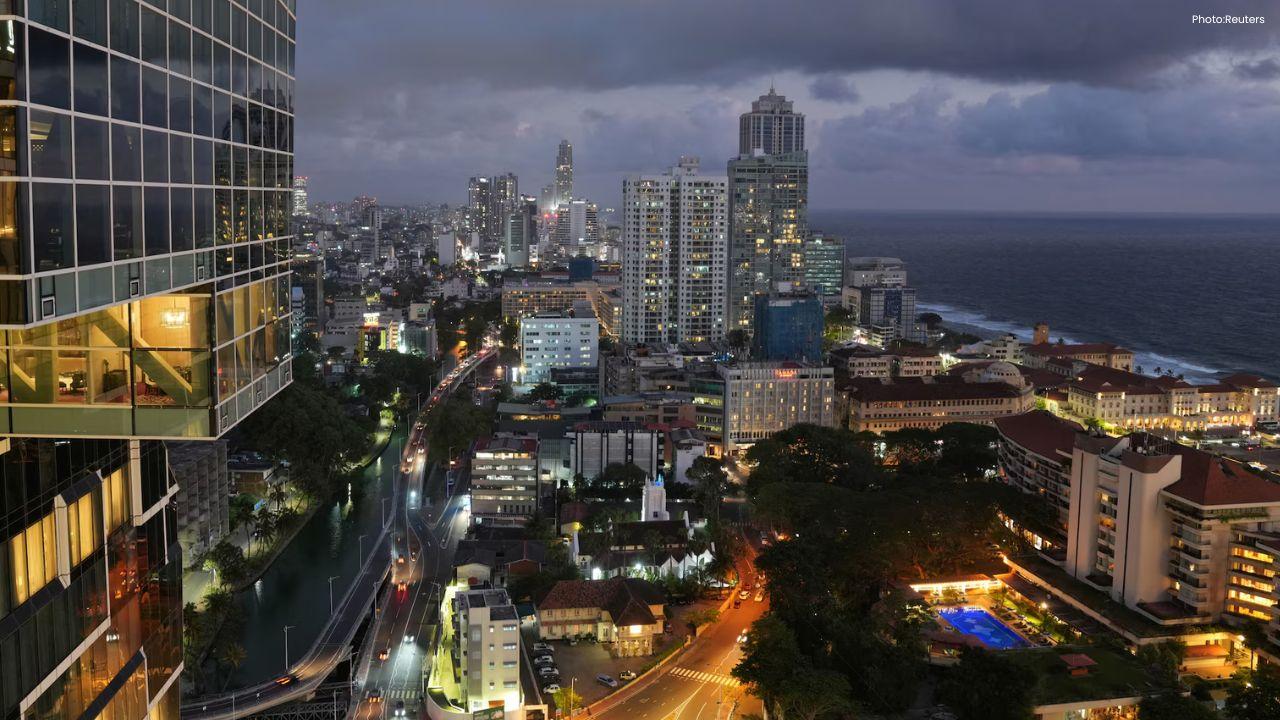
Sri Lanka’s economy continues to show signs of resilience despite facing a series of external and domestic challenges, but the International Monetary Fund has warned that risks to the economic outlook remain tilted to the downside. The latest assessment comes as the South Asian country continues its recovery from the severe economic crisis of 2022. That crisis was marked by a shortage of foreign currency, difficulties in securing essential imports and intense pressure on public finances. The IMF said Sri Lanka has made progress under its economic reform programme, helping the country regain greater macroeconomic stability. However, the institution stressed that continued reforms and careful economic management will be important if the country is to protect those gains. Sri Lanka is currently operating under an IMF-supported programme worth about $2.9 billion. The programme is designed to help restore economic stability, rebuild financial buffers and strengthen the country’s fiscal position.
One of the biggest challenges facing Sri Lanka is the sharp increase in energy costs. The country depends heavily on imported fuel, meaning changes in international oil prices can have a direct impact on inflation, household expenses, business costs and the government’s finances. The pressure has become more significant as higher energy prices have persisted amid the conflict in the Middle East. The IMF has previously warned that elevated oil prices could weaken Sri Lanka’s external position, increase inflationary pressure and affect tourism-related earnings. For households, higher fuel and electricity costs can increase the price of transportation, food distribution and other essential goods. Businesses can also face higher operating expenses, potentially affecting investment and employment.
The IMF has emphasized that Sri Lanka cannot rely only on short-term stabilization. The next phase of the recovery will require stronger fiscal management, structural reforms and policies aimed at supporting sustainable economic growth. A major priority identified by the IMF is the development of a strong medium-term revenue strategy. Improving tax collection and strengthening public financial management are considered important for rebuilding fiscal space while maintaining essential public services. The IMF has also highlighted the importance of maintaining energy cost recovery and ensuring that capital investment is implemented effectively. According to the IMF, maintaining a prudent approach to monetary and fiscal policy will remain essential for protecting macroeconomic stability. The institution has also recommended keeping the inflation target at 5 per cent and maintaining the existing accountability framework.
Sri Lanka is expected to continue growing, although the pace of expansion is projected to moderate. The IMF has projected economic growth of around 3 per cent for 2026. The growth outlook is being affected by higher energy prices, weaker external conditions and uncertainty linked to the wider geopolitical environment. Tourism, remittances and fuel imports are among the channels through which external shocks can affect the Sri Lankan economy. At the same time, the IMF has acknowledged that the reforms implemented over recent years have strengthened the country’s ability to respond to shocks. This resilience is important because Sri Lanka remains vulnerable to external developments. A prolonged period of high energy prices could increase pressure on households and companies while also making it harder for the government to maintain fiscal targets.
The IMF programme remains a central part of Sri Lanka’s recovery strategy. In May, the IMF Executive Board completed the combined fifth and sixth reviews of the country’s Extended Fund Facility programme, giving Sri Lanka access to about $695 million in additional financing. The IMF said the programme had helped strengthen economic resilience and provided authorities with greater room to respond to recent shocks. The institution also noted that debt restructuring was nearing completion, although debt-related risks remain significant. The support is intended not only to provide financing but also to encourage policy changes aimed at improving fiscal sustainability, rebuilding foreign-exchange reserves and strengthening economic institutions. For Sri Lanka, maintaining confidence among international lenders and investors remains important as the country works to move further away from the conditions that triggered the 2022 crisis.
Inflation remains another key concern for Sri Lanka, particularly because rising energy costs can affect prices across the wider economy. The IMF has previously noted that inflation increased sharply after energy prices rose following the escalation of the Middle East conflict. Higher transportation and production costs can eventually feed into prices paid by consumers. Keeping inflation under control will therefore remain an important part of the country’s economic policy. The IMF has stressed that monetary policy should continue to focus on price stability while fiscal policies should remain disciplined. The objective is to prevent another cycle in which rising prices weaken household purchasing power and create additional pressure on government finances.
The IMF said Sri Lanka now needs to move beyond stabilization and focus on long-term economic transformation. That means continuing structural reforms that can improve productivity, attract investment, strengthen public institutions and create conditions for more inclusive growth. Reducing poverty and improving living standards will also depend on whether economic growth translates into better employment opportunities and stronger household incomes. The IMF has argued that sustained reform momentum will be necessary to support stronger and more inclusive growth while protecting vulnerable sections of the population. Public infrastructure investment is another important part of this process. Better infrastructure can support businesses, improve connectivity and create conditions for stronger long-term economic activity.
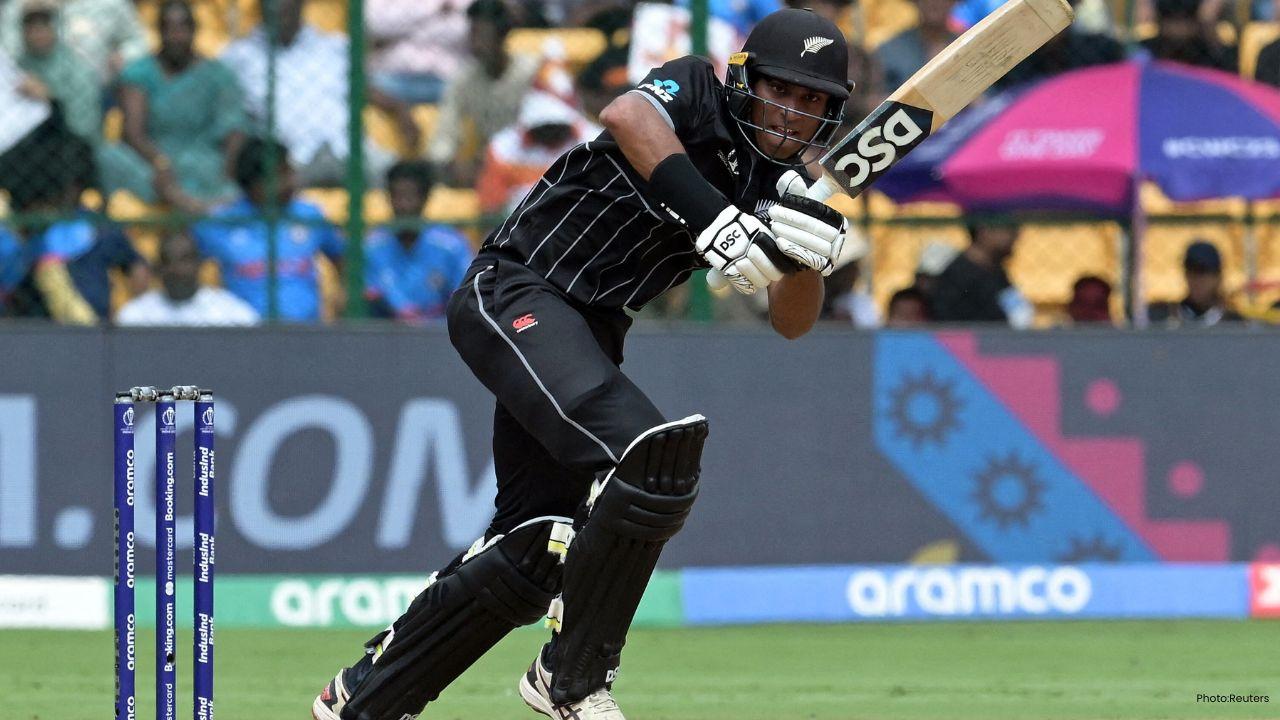
Read Also: Milne, Bracewell Return as Ravindra Misses New Zealand’s India T20 Series
The IMF’s warning about downside risks reflects several uncertainties facing Sri Lanka. The country remains exposed to international energy prices because it imports fuel. It is also sensitive to changes in tourism, remittances, global trade conditions and geopolitical developments. The Middle East conflict is particularly important because it affects energy prices and can also influence tourism and the earnings of Sri Lankans working abroad. The IMF has said that prolonged uncertainty could put further pressure on reserves, growth and investment. At the same time, successful implementation of reforms could provide opportunities for stronger growth over the longer term. The IMF has therefore stressed that Sri Lanka’s economic recovery is not yet complete.
Sri Lanka’s economic position has improved considerably from the severe conditions experienced during the 2022 crisis, but the latest IMF assessment shows that the recovery still faces significant challenges. The country has rebuilt some of its economic buffers and gained greater policy space, but high energy costs, external uncertainty, inflation risks and structural weaknesses continue to require careful management. The immediate challenge for authorities is to protect economic stability while continuing reforms. Over the longer term, Sri Lanka will need to turn stabilization into sustainable growth that can improve living standards and reduce poverty. The IMF’s message is therefore focused on maintaining reform momentum rather than reversing course.


Sri Lanka Economy Shows Resilience, But IMF Flags Growing Downside Risks
Sri Lanka economy remains resilient, but IMF warns of downside risks from energy costs, inflation an

Milne, Bracewell Return as Ravindra Misses New Zealand’s India T20 Series
New Zealand name squad for India T20 series as Rachin Ravindra misses the matches, while Adam Milne

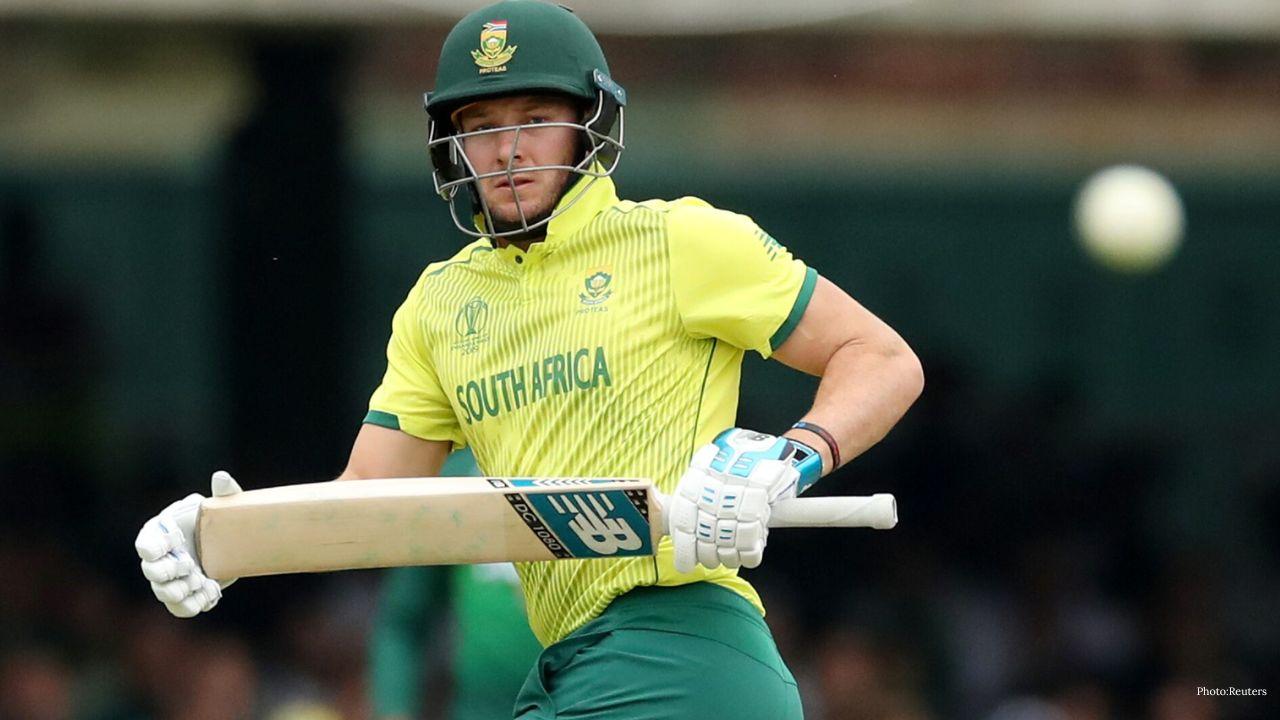
David Miller Says Losing South Africa Contract Changes Nothing
David Miller remains committed to South Africa Cricket despite losing his national contract ahead of

Tiffany Teo Wins Singapore’s First Asian Games Gold in MMA
Singapore’s Tiffany Teo wins historic MMA gold at the Asian Games, securing the country’s first gold
Air Quality Back At Unhealthy Levels In Central Singapore
Singapore haze returns as central PSI crosses 100, with smoke from fires in Sumatra and Kalimantan d
Don’t Lay Off Staff To Cut Costs, Union Urges AirAsia
Nufam urges AirAsia to protect workers as rising jet fuel costs and financial pressure raise concern