
You have not yet added any article to your bookmarks!
Join 10k+ people to get notified about new posts, news and tips.
Do not worry we don't spam!
Post by : Meena Ariff
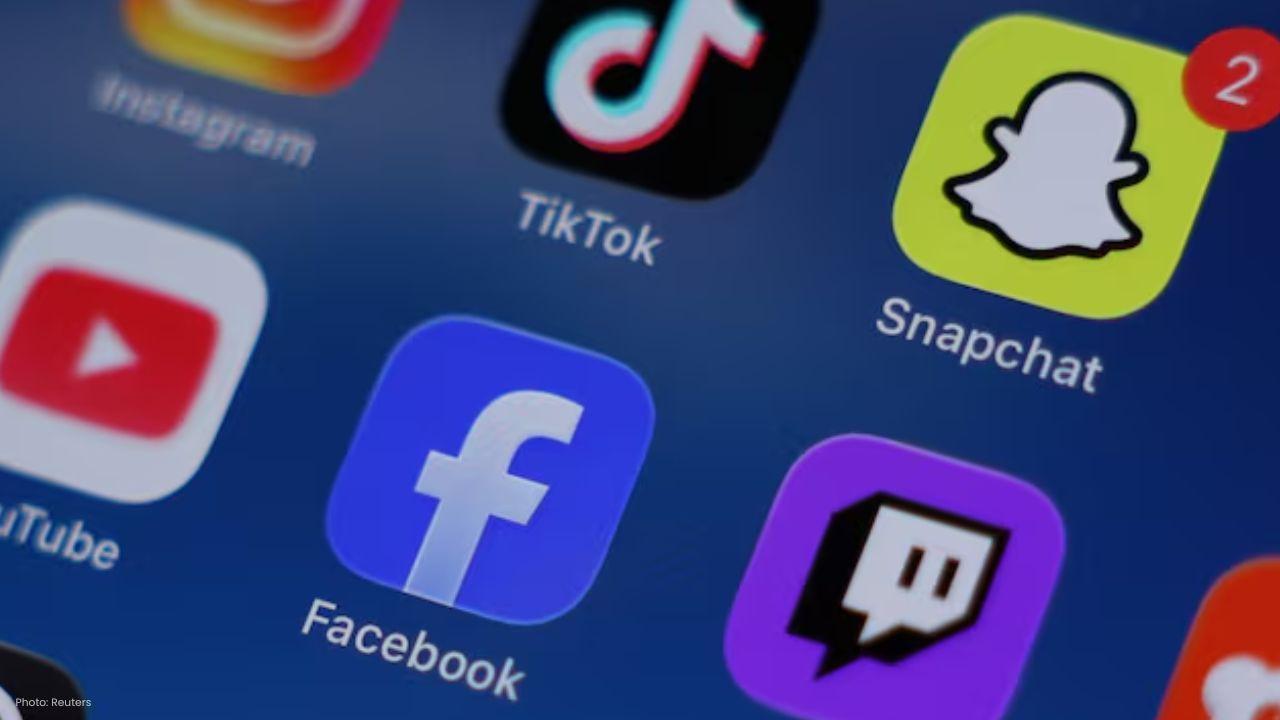
India’s chief economic adviser has urged the government to introduce age-based limits on social media access as a measure to combat the growing issue of digital addiction among children and teenagers. With India being the largest market for platforms such as Meta’s Facebook and YouTube, concerns have mounted about the adverse effects of unrestricted use on the mental health and development of younger users.
The adviser emphasized that unrestricted access to social media platforms can expose children to harmful content, disrupt their sleep patterns, and negatively impact their focus and emotional well-being. These factors have raised alarms among health professionals and policymakers alike, sparking calls for urgent intervention to protect children from the risks of excessive screen time and online addiction.
Implementing age restrictions would bring India in line with a global trend toward regulating digital consumption among minors. Last year, Australia became the first country to enforce a ban on social media use for children under the age of 16. This bold move has encouraged several other nations to evaluate similar measures to safeguard their youth from the potential harms of social media addiction.
In India, where millions of children and adolescents spend significant hours daily on social platforms, the proposal signals a critical step towards fostering safer online environments. The government is expected to explore policies that could include mandatory age verification, parental controls, and limits on the time children can spend on these platforms.
The adviser’s recommendation also aligns with the broader global concern over the impact of digital media on young people’s mental health, including anxiety, depression, and social isolation. By setting clear age limits, India aims not only to curb digital addiction but also to encourage responsible and balanced use of technology among its younger population.
As discussions unfold, experts hope these potential regulations will promote healthier digital habits and create safer spaces online, ensuring that social media serves as a tool for learning and connection rather than a source of harm.










PM Modi Pays Tribute to Mahatma Gandhi, Urges People to Support Khadi
PM Modi pays tribute to Mahatma Gandhi on Gandhi Jayanti and urges citizens to support Khadi and the

Amazon Seeks to Offload $8 Billion in Nvidia Chips to Investors
Amazon plans to move $8 billion in Nvidia chips to investors, using a new financing model to strengt

Samsung Raises Galaxy S26 Prices as Memory Chip Costs Rise
Samsung raises Galaxy S26 prices in South Korea as rising memory chip costs put pressure on smartpho

Lewis Hamilton Calls Singapore Grand Prix One of F1's Toughest Races
Lewis Hamilton discusses the demanding Singapore Grand Prix and brings Plus44 and Almave to Singapor

Denmark's Pandora Opens World's Largest Jewellery Factory in Vietnam
Pandora opens its largest jewellery factory in Vietnam, expanding global production, strengthening s

Gautam Gambhir Questions Batting-Friendly Pitches After India's Record ODI Chase
Gautam Gambhir questions batting-friendly ODI pitches after India’s record chase, calling for a bett

