
You have not yet added any article to your bookmarks!
Join 10k+ people to get notified about new posts, news and tips.
Do not worry we don't spam!
Post by : Abhinav Rana
The tourism sector in the Gulf Cooperation Council (GCC) is grappling with unprecedented challenges, as increasing regional tensions cast a shadow over its once-thriving travel industry. Forecasts suggest that the sector could experience revenue declines approaching $32 billion, showing the magnitude of the current crisis. Once celebrated as a burgeoning global tourism hotspot, the Gulf is now confronted with uncertainties that may drastically alter travel demand and investor attitudes in the aviation and hospitality sectors.
Central to these projections is an anticipated fall in international visitor numbers, with estimates indicating a reduction of 8 to 19 million tourists across the GCC member states. This figure highlights not just a numerical concern but also a significant shift in global travel patterns influenced by safety perceptions, airspace issues, and geopolitical tensions. Previously welcoming over 72 million tourists annually and generating close to $120 billion in tourism revenue, the region now risks losing considerable traction, affecting everything from airline occupancy rates to hotel revenues.
The aviation industry, vital to the region's tourism framework, is already feeling the effects of this crisis, with major hubs like Dubai, Abu Dhabi, Doha, and Bahrain managing over half a million passengers daily encountering various operational hurdles and temporary suspensions due to escalating tensions. These impediments not only diminish connectivity but also inflate operational expenses, disrupt travel plans, and tarnish the region's reputation as a leading global transit point. The impact ripples across airlines, airports, and cargo operations, exacerbating economic challenges beyond tourism.
Tourism has historically served as a cornerstone of economic diversification strategies in the GCC, playing a crucial role in GDP enhancement, job creation, and attracting foreign investment. The anticipated losses extend well beyond mere reductions in revenue, posing a significant risk to overall economic stability, especially for nations heavily investing in tourism infrastructure and mega-events. The downturn in visitor spending could cost the region hundreds of millions each day, signaling potential structural vulnerabilities for economies reliant on travel and hospitality.
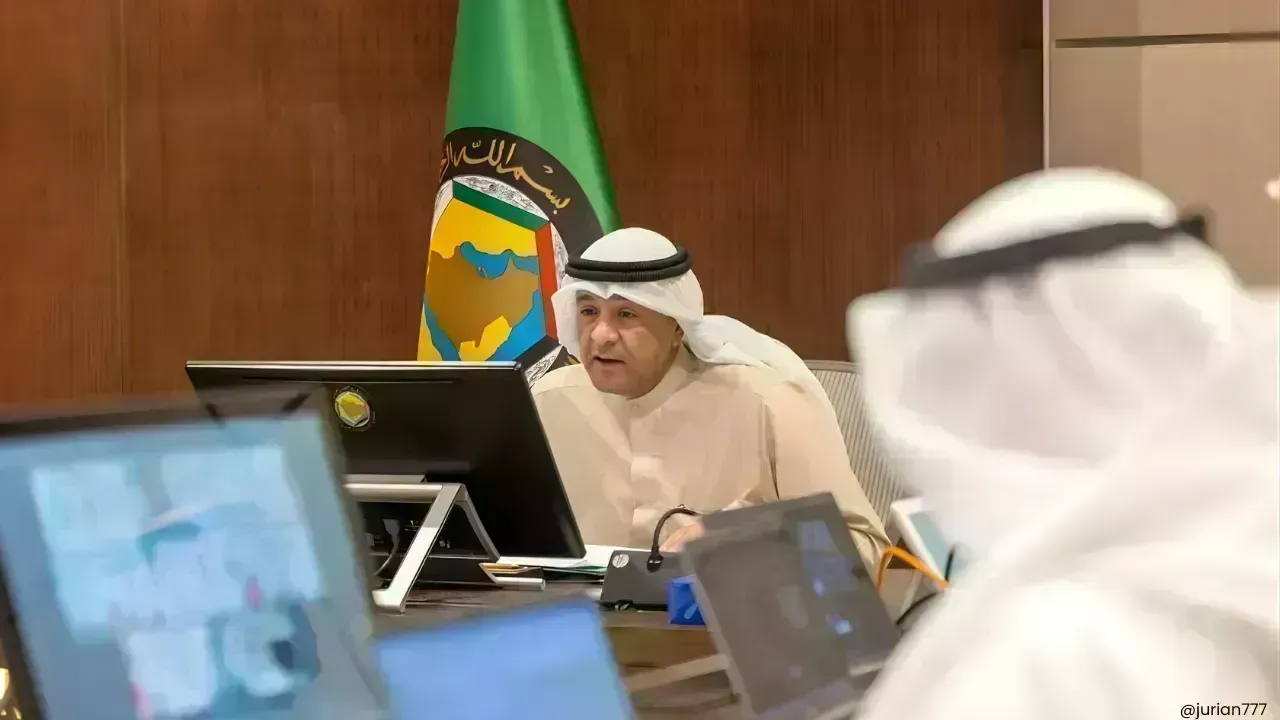
In response, GCC leaders have stressed the necessity for improved regional teamwork, proactive policymaking, and integrated measures to safeguard the tourism industry. There is a growing recognition that unilateral efforts may fall short in addressing such a widespread crisis. The current focus is on restoring confidence among travelers and maintaining a stable aviation network while ensuring uninterrupted tourism operations, despite prevailing geopolitical issues.
Despite these hurdles, there remains faint optimism regarding the GCC's capacity to rebound, buoyed by its robust infrastructure, global links, and effective crisis management initiatives. Historically, the region has shown remarkable resilience in navigating disruptions, yet the road to recovery will heavily depend on how quickly regional tensions dissipate and how efficiently authorities can rekindle trust with international travelers and investors.
The projected $32 billion loss represents more than just a financial forecast; it marks a pivotal juncture for the GCC's long-term tourism objectives. As the region strives to balance growth ambitions with geopolitical challenges, the ability to adapt and collaborate will be vital in maintaining its stature as a major tourism destination. In an increasingly interconnected world, where tourism, aviation, and economic robustness are intricately tied, the stakes for the GCC have never been more critical.
#GCC News #Travel and Tourism #GCC Tourism #Middle East Travel #Aviation Disruption #Tourism Economy #Regional Conflict Impact #Dubai Tourism #Gulf Airlines #Travel Industry










PM Modi Pays Tribute to Mahatma Gandhi, Urges People to Support Khadi
PM Modi pays tribute to Mahatma Gandhi on Gandhi Jayanti and urges citizens to support Khadi and the

Amazon Seeks to Offload $8 Billion in Nvidia Chips to Investors
Amazon plans to move $8 billion in Nvidia chips to investors, using a new financing model to strengt

Samsung Raises Galaxy S26 Prices as Memory Chip Costs Rise
Samsung raises Galaxy S26 prices in South Korea as rising memory chip costs put pressure on smartpho

Lewis Hamilton Calls Singapore Grand Prix One of F1's Toughest Races
Lewis Hamilton discusses the demanding Singapore Grand Prix and brings Plus44 and Almave to Singapor

Denmark's Pandora Opens World's Largest Jewellery Factory in Vietnam
Pandora opens its largest jewellery factory in Vietnam, expanding global production, strengthening s

Gautam Gambhir Questions Batting-Friendly Pitches After India's Record ODI Chase
Gautam Gambhir questions batting-friendly ODI pitches after India’s record chase, calling for a bett

