You have not yet added any article to your bookmarks!
Join 10k+ people to get notified about new posts, news and tips.
Do not worry we don't spam!
Post by : Saif Rahman
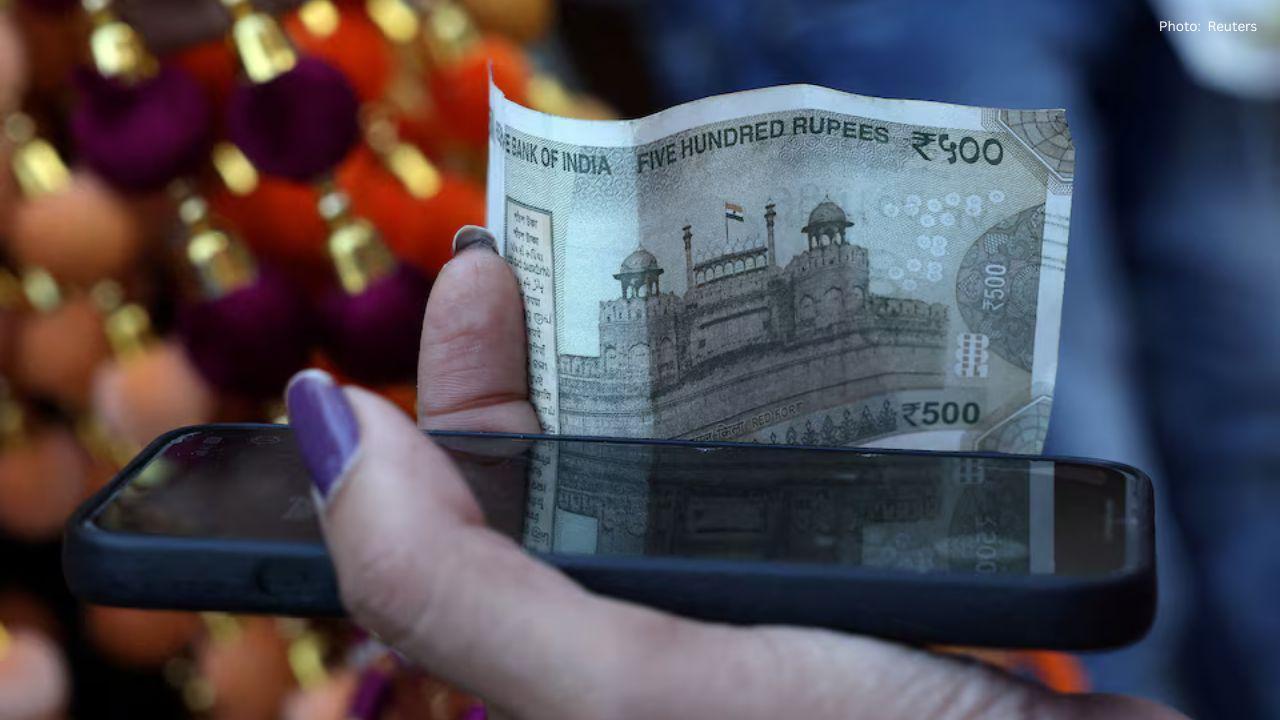
On Thursday, the Indian rupee experienced a decline as robust dollar outflows from local companies led to a decrease in value, even amid the U.S. Federal Reserve's interest rate cut and more lenient policy guidance. The rupee fell by nearly 0.3%, reaching 90.21 against the U.S. dollar by mid-morning in Mumbai.
Typically, a weaker U.S. dollar would bolster the rupee, but this time, the favorable effect of the Fed's decision was diminished by strong dollar demand from Indian corporations and private banks. Market analysts noted that this demand largely relates to payments owed to international partners and immediate financial obligations.
While the Federal Reserve lowered its key interest rate on Wednesday, officials indicated that further cuts are not expected in the near term, leading to mixed reactions within Asian markets. Following the Fed's announcement, the dollar index slightly rebounded after hitting a two-month low. Despite this softness, the rupee struggled to gain traction, largely due to ongoing high demand for dollars.
The Indian currency is on track for its worst annual performance since 2022, with multiple factors contributing to its predicament, including diminished foreign portfolio investments, global economic instability, and recent U.S. trade tariffs affecting several Indian exports. These issues have put pressure on India’s external sector, necessitating reliable dollar inflows.
In a related development, India's Commerce Secretary Rajesh Agrawal met with U.S. Deputy Trade Representative Rick Switzer to deliberate on trade and economic concerns. Both nations are negotiating as India seeks alleviation from stringent U.S. tariffs, notably those related to its Russian oil purchases. Analysts suggest that the rupee may face further declines if a trade agreement is not reached soon.
Furthermore, the Reserve Bank of India plans a $5 billion dollar-rupee buy/sell swap next week, aiming to enhance liquidity within the domestic banking framework. Market players anticipate significant interest in this swap, as it could help mitigate the excess dollar liquidity generated by the RBI’s earlier market interventions and recent IPO inflows.
Bankers warn that while the swap might offer short-lived stability, more systemic issues persist. As long as dollar outflows remain substantial and trade disputes linger, the rupee will continue to be at risk. Investors are closely observing the negotiations between India and the U.S. to see if a resolution can alleviate the currency's pressures.
The recent dip in the rupee underscores the sensitivity of India’s financial markets to international policies and trade dynamics. Even supportive measures from the U.S. central bank could not buoy the currency, emphasizing the necessity for improved external balances and consistent trade environments. For now, the rupee will maintain its challenges unless India secures tariff relief and curtails its corporate dollar outflows.








Josh Kerr and Jakob Ingebrigtsen Set for 1,500m Rivalry Rematch
Josh Kerr and Jakob Ingebrigtsen will renew their 1,500m rivalry at the Ultimate Championship in Bud

PSG Coach Luis Enrique Urges Players to Step Outside Comfort Zone
PSG coach Luis Enrique says players must leave their comfort zone and keep improving as the club tar

China’s Tiangong Sets New 400m Record at Robot Olympics
China’s Tiangong robot sets a new 400m record at the Robot Olympics, beating a South African robot i
George Russell Wins Dutch GP Sprint, Boosts Mercedes Morale
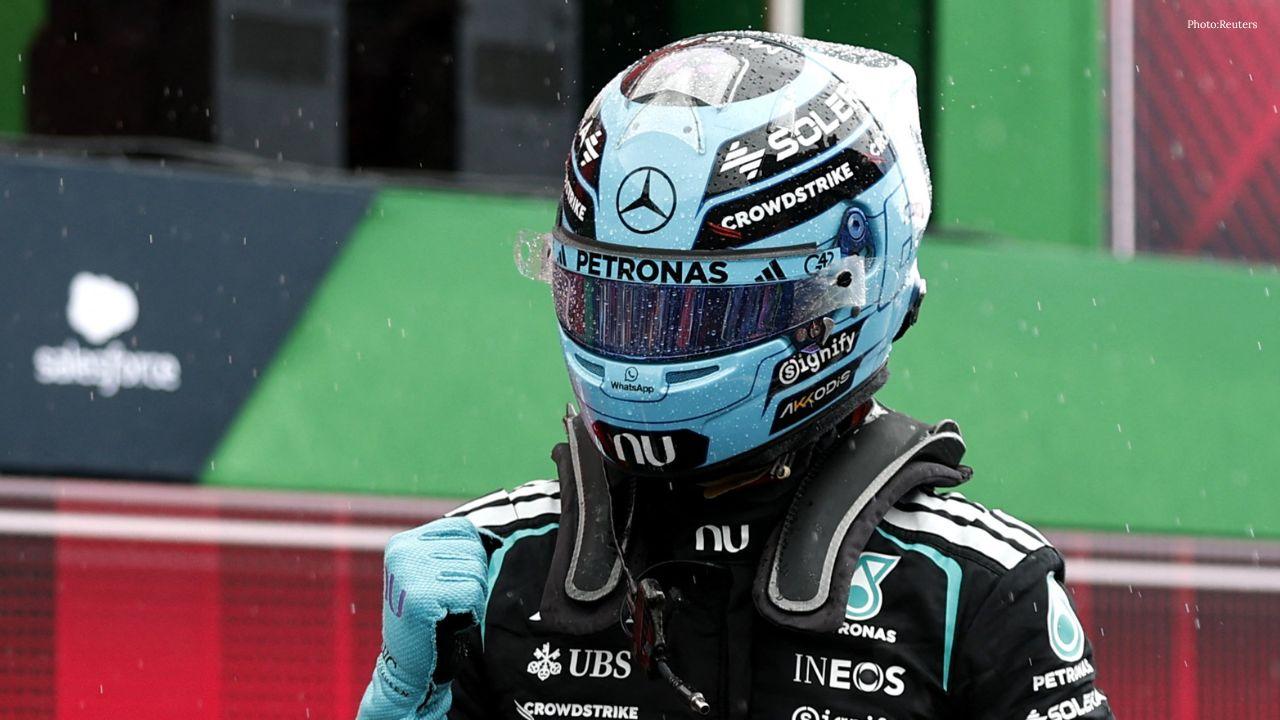
George Russell wins the Dutch GP Sprint from pole as Mercedes teammate Kimi Antonelli extends his F1
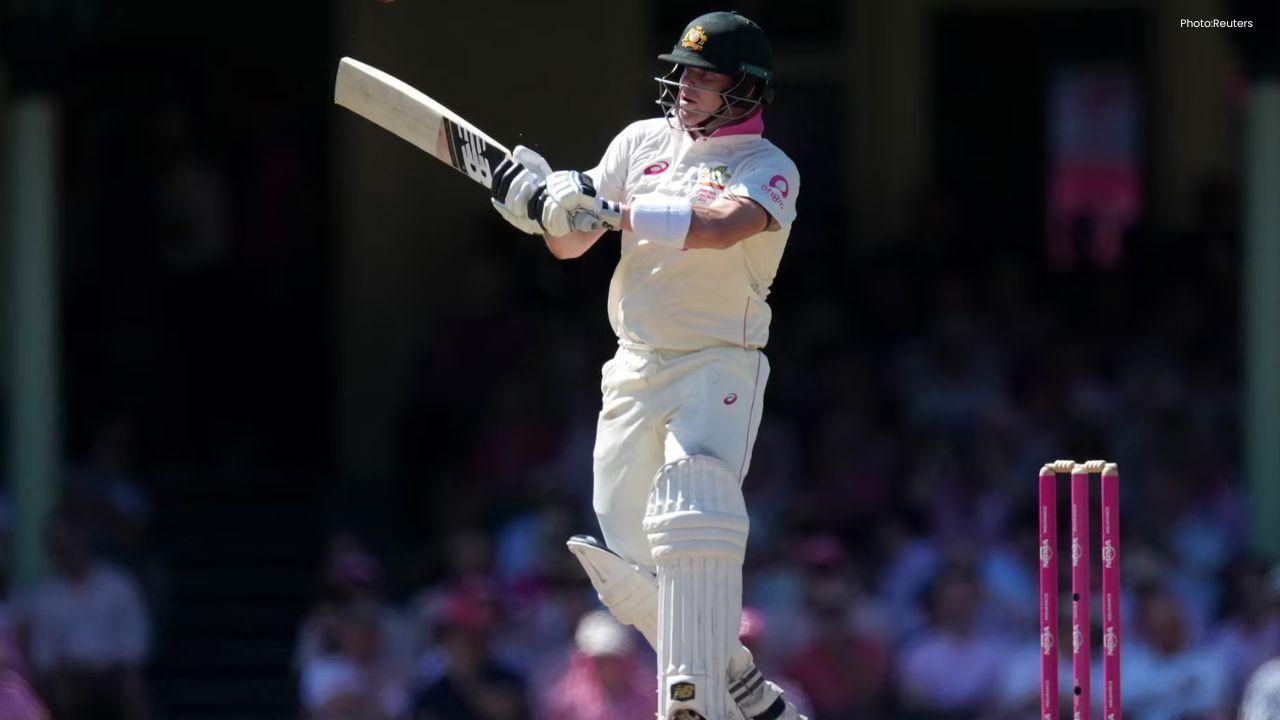
Australia 50/3 After Bangladesh Bowled Out for 64 in Second Test
Australia reached 50/3 after Bangladesh were bowled out for 64 in the second Test, with Mitchell Sta
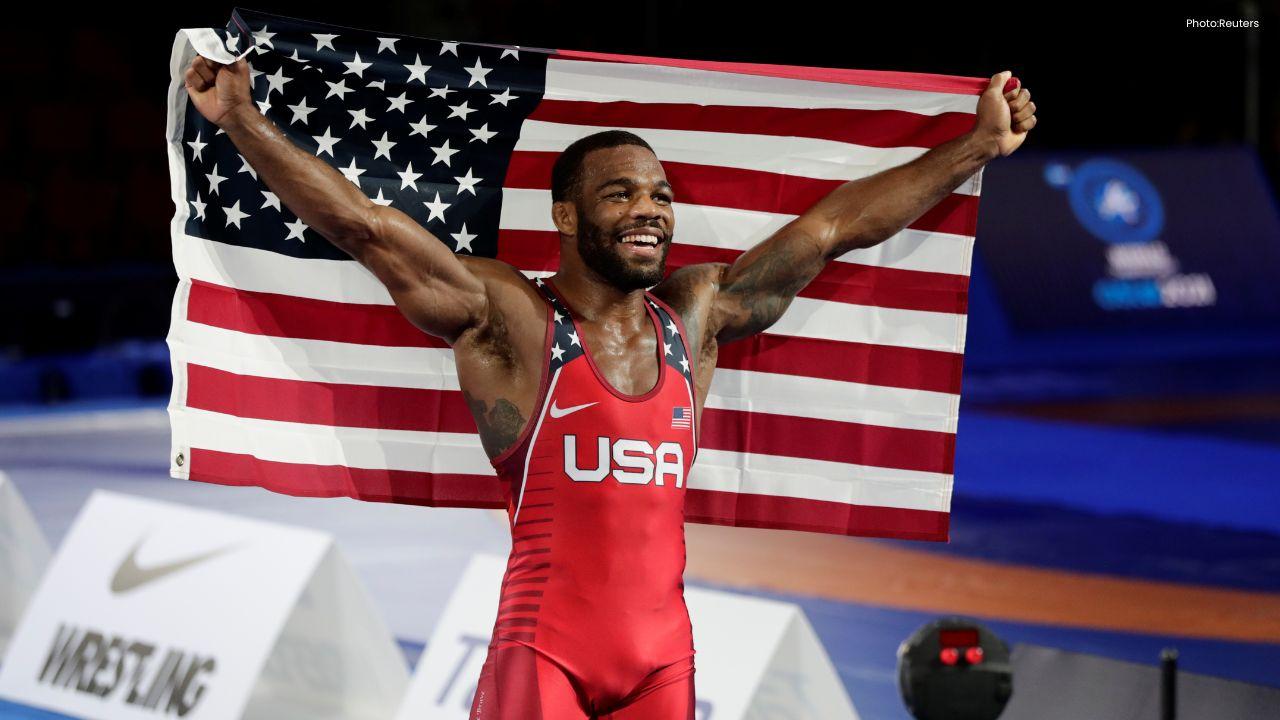
Jordan Burroughs Returns to Wrestling with 2028 Olympic Dream
Jordan Burroughs returns to wrestling with Real American Freestyle as the Olympic champion eyes a po